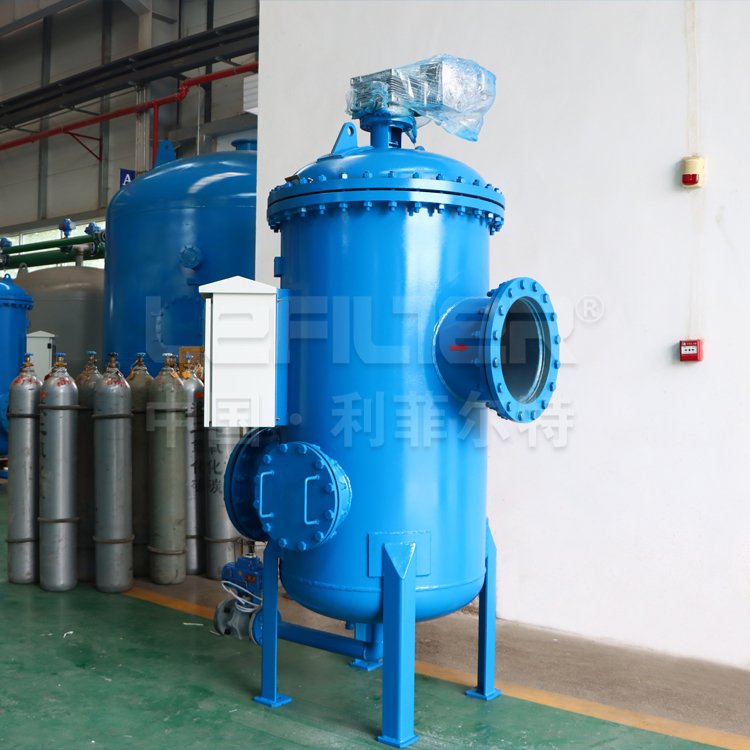
Introduction
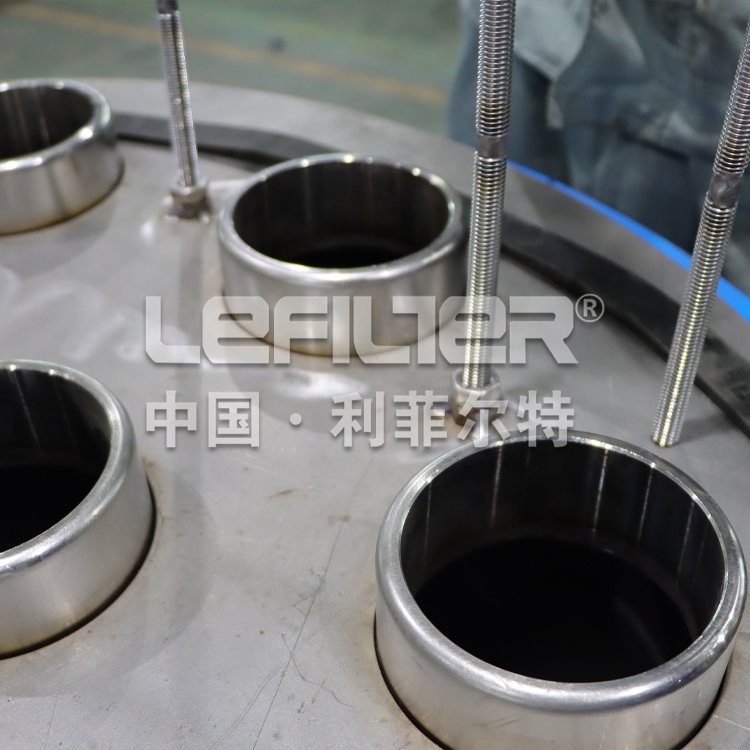
Advantages & Features
- Brush – Type Cleaning: In brush – type self – cleaning filters, a set of stainless – steel brushes is installed inside the filter. When the self – cleaning process is triggered, a gear – reduction motor drives the rotation of the brushes. The brushes then scrub the surface of the filter media, dislodging the accumulated impurities. An electric sewage valve, usually installed on the filter end – cover or bottom, is opened simultaneously to discharge the dirt. The cleaning time is typically around 1 minute, and the filter can operate without interrupting the water flow during this process. The pressure loss during sewage discharge is minimal, usually not exceeding 0.05 mpa, and the flow loss is less than 1%.
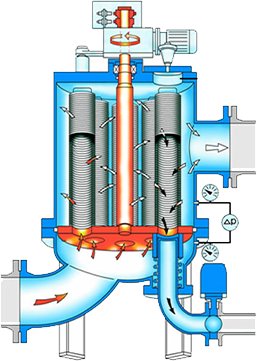
- Suction – Type Cleaning: Suction – type self – cleaning filters use a sewage suction device for cleaning. The device is a hollow structure with several sewage suction pipes evenly distributed vertically along its axis. When the self – cleaning process starts, a blowdown valve is opened, creating a pressure difference between the inside of the filter and the outside atmosphere. This pressure difference causes the suction pipes to generate a strong suction force. The water flows in the reverse direction through the filter screen, flushing the impurities into the sewage suction device, which then discharges them through the blowdown valve. The dirt – suction device is driven by a two – way motor connected to a screw device, allowing it to move in a spiral motion and cover the entire inner surface of the filter screen.
- Rotary Arm Cleaning: Rotary – arm self – cleaning filters are equipped with a rotary arm that moves across the surface of the filter media. The arm may be fitted with nozzles that spray a jet of water or air to dislodge the impurities. As the arm rotates, it cleans the filter surface in a systematic manner. The cleaning fluid (water or air) can be sourced from the treated water within the filter or an external supply, depending on the design.
- Scraper – Type Cleaning: In scraper – type self – cleaning filters, a scraper mechanism is used to remove the accumulated solids from the filter surface. The scraper is typically attached to a moving part, such as a rotating drum or a reciprocating arm. As the filter operates, the scraper periodically comes into contact with the filter surface and scrapes off the impurities. The removed solids are then discharged through a separate outlet.
Application Fields
Sucking type self-cleaning filters are used in a wide range of applications to ensure clean and efficient fluid systems:
Water Treatment: In water treatment plants, these filters remove suspended solids, algae, and other contaminants from raw water, ensuring clean water for municipal and industrial use.
Petrochemicals: In the petrochemical industry,filters protect equipment and processes by removing particulates from hydrocarbons, solvents, and other fluids.
Food and Beverage: These filters are used to maintain the purity of ingredients and final products, ensuring compliance with strict hygiene and safety standards.
Pharmaceuticals: In pharmaceutical manufacturing,filters remove contaminants from process fluids, ensuring product quality and preventing contamination.
Power Generation: In power plants, these filters protect turbines, boilers, and cooling systems by removing debris and contaminants from water and other fluids.
Agriculture: In agricultural applications,filters are used to purify irrigation water, ensuring the health and productivity of crops.