Reverse Osmosis Membrane
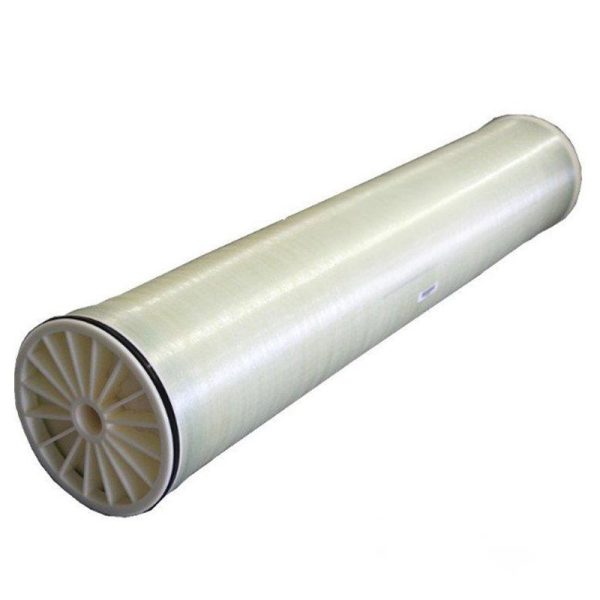
Filtration Accuracy
0.0001 microns
Filterable Material
Dissolved Salts & Organic Substances
Introduction
The use of reverse osmosis membranes in the water treatment industry is standardized practice, due to the requirement of filtration to take place in removing unwanted impurities from water. Membrane water treatment is done through the use of barriers that allow only specific substances to pass through the small pores of the membrane while not allowing other types of contaminants. There are a variety of membranes in use throughout the market which act as processes in treating groundwater, surface water, and wastewater to a level that is acceptable for industries and especially consumption. It is a rapidly growing industry, as a result of the need to combat low quality water sources such as rivers, lakes, wells, streams, and the ocean, in order to provide more alternative methods in supplying healthy, safe, steady, and accessible water to the masses.
As per mentioned, there are different types of membranes which can be utilized for water treatment. The factors that necessitate which membrane would be more effective relies upon the types of contaminants existing in the water, and the desired water quality by the user.
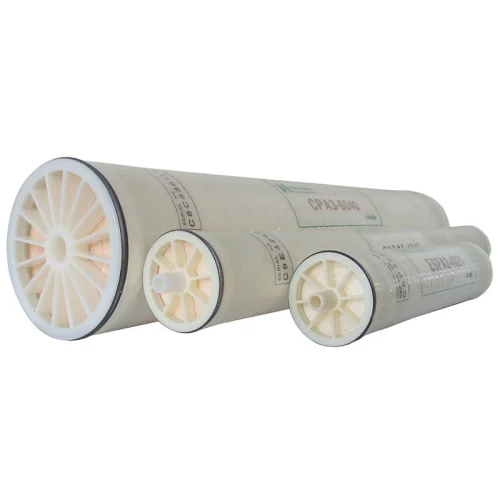
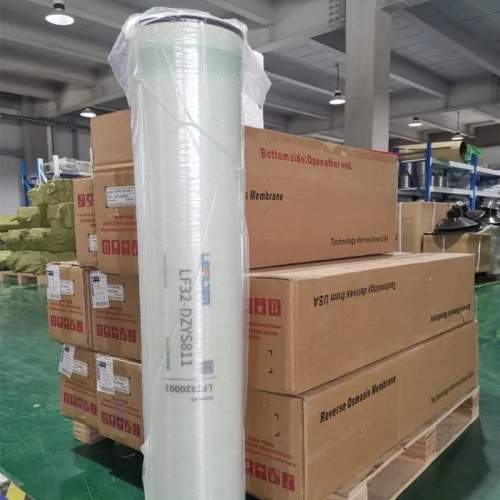
The two most common type of membranes used in the industry are:
Membrane Filtration (ultrafiltration, microfiltration) works by eliminating particles (mainly suspended solids) from water through operating under pressure.
Reverse Osmosis/Nanofiltration Membranes that operates similarly in producing freshwater from the prevention of larger dissolved molecules from passing through the small pores of the permeable membrane, while allowing the pure water to flow through.
LEFILTER is a proud supplier of high quality membranes from top-rated reverse osmosis membrane manufacturing brands such as Dupont/Dow Filmtec, Hydranautics, Toray, CSM, GE, and VONTRON. These membranes come in sizes ranging from 2″, 4″, and 8″ for brackish water and seawater applications. They offer important features necessary for efficient performance, including low pressure and high rejection.
Equivalent Brands
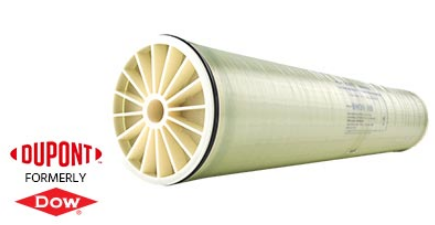
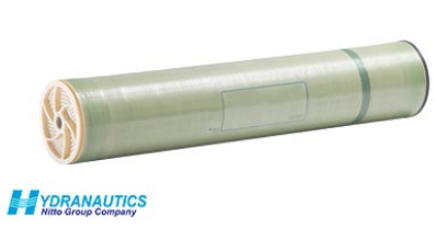
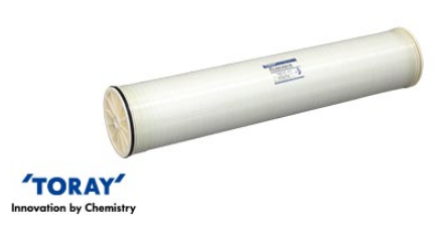
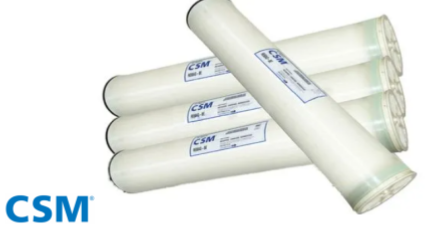
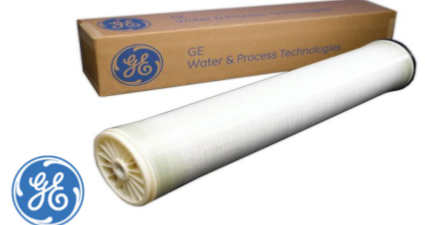
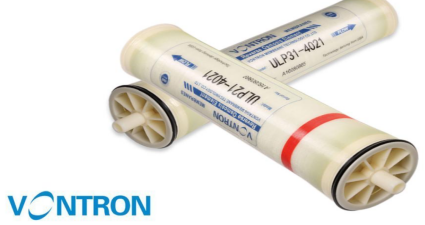
Common Part Numbers
| Dow | Hydranautics | Toray | CSM | GE | VONTRON |
| BW30XFR-400/34 | ESPA1-4040 | TMH20A-400C | RE4040-BLR | AG8040F-400FR,34 | SW4040HR |
| BW30FR-400/34 | CPA2-4040 | TMH20A-440C | RE8040-BE | AG8040F-400 | ULP21-8040 |
| BW30-400/34 | C PA3-LD | TMG20-370C | RE8040-BLN | AG8040F-400LF | ULP2012 |
| BW30-400/34i | SWC5-LD | TMG20-400C | RE8040-BLR | AG4040FM | ULP1812 |
| BW30-400 | ESPA2-4040 | TMG20-440C | RE4040-BLN | AG8040F-365 | ULP32-8040 |
| BW30-400IG | YQS-4040 | TMG20D-400 | RE4040-BE | AG8040N-400 | ULP31-4040 |
| BW30-365 | ESPA2-7 | TMG20D-440 | L-RO-4040 | AK4040FM | ULP22-8040 |
| BW30XFR-400/34i | CPA6-LD | TM720-370 | RE1812-HR50 | AG4040F | ULP21-4040 |
| BW30FR-400/34i | ESPA2 MAX | TM720-400 | RE1812-HR75 | ETC. | ETC. |
| BW30HRLE-440 | LFC3-LD | TM720-440 | RE1812-HR100 | ||
| BW30HRLE-440i | ESPA2 | TM720C-440 | RE4021-TE | ||
| XFRLE-400/34i | PR0C10 | TM720D-370 | RE2521-TE | ||
| SW30HRLE-400 | PR0C20 | TM720D-400 | RE2540-TE | ||
| BW30FR-400/34i | ESPA2-4040 | TM720D-440 | RE4040-TE | ||
| BW30XFRLE-400/34i | ESPA4-4040 | TML20N-400 | RE4040-TL | ||
| BW30LCHR-4040 | CPA3-LD-8040 | TML 20D-370 | ETC. | ||
| BW30-4040 | SWC5-8040 | TML20DA400 | |||
| LCLE-4040 | YQS-8040 | TML20D-400 | |||
| BW30HRLE-4040 | ESPA2-8040 | TMH10A | |||
| SW30-4040 | ESNA1-LF-LD | TMG10D | |||
| BW30HR-380 | ESNA1-K1 | TM710D | |||
| SFP-2880 | CPA3-LD | TML10D |
Application
A reverse osmosis membrane is an essential product for handling water and wastewater. There are three other types of membranes, categorized by membrane pore size, widely used for commercial purposes: Microfiltration (MF), Ultrafiltration (UF ), Nanofiltration (NF). These four membrane types are widely used to meet the objectives of the Drinking Water rules and guidelines of water and wastewater treatment. A reverse osmosis membrane is also used for processing desalted and/or Ultra Pure Water (UPW) for various industrial and other uses, such as making up water from power plants, manufacturing of electronic chips, food industry, pharmaceutical, medical, and others.