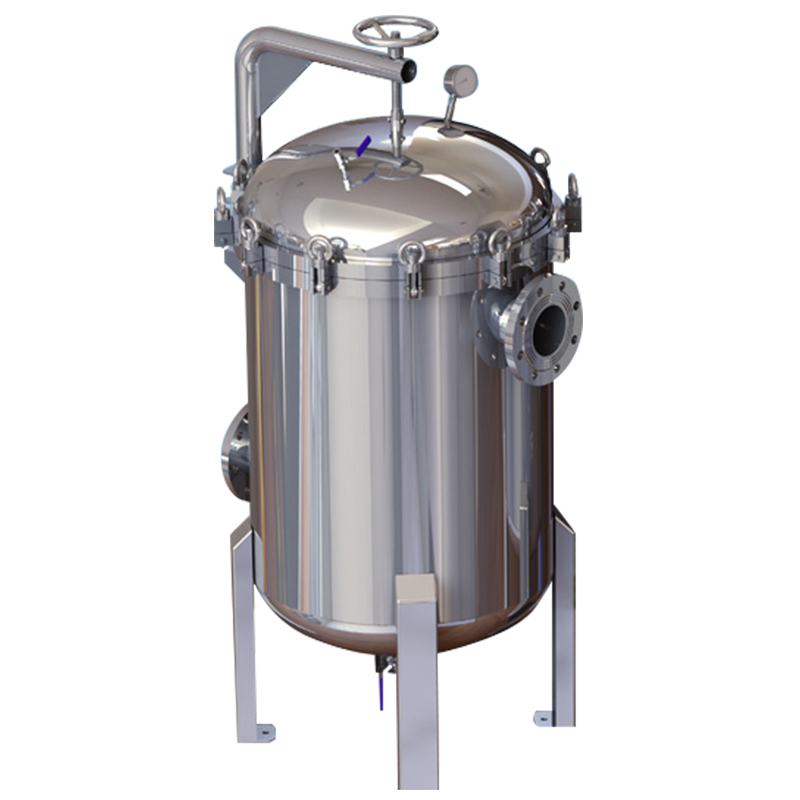
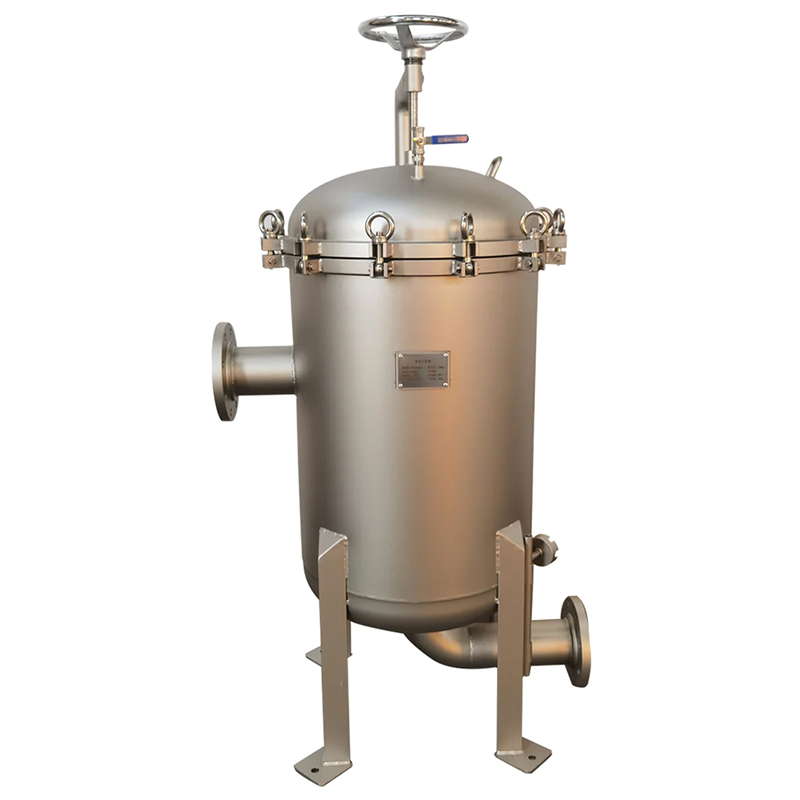
Filter Housings
Top Global Manufacturer Of Industrial Filtration Equipment
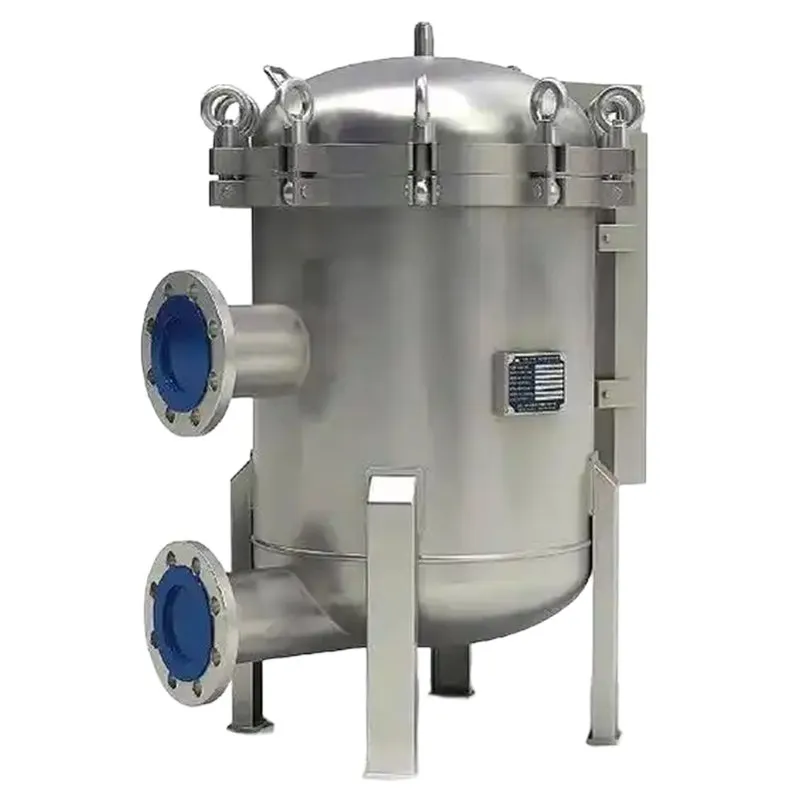
Lefilter filters are suitable for industrial and commercial applications. Assembled filters can be customized to fit new and existing applications with custom face-to-face dimensions.
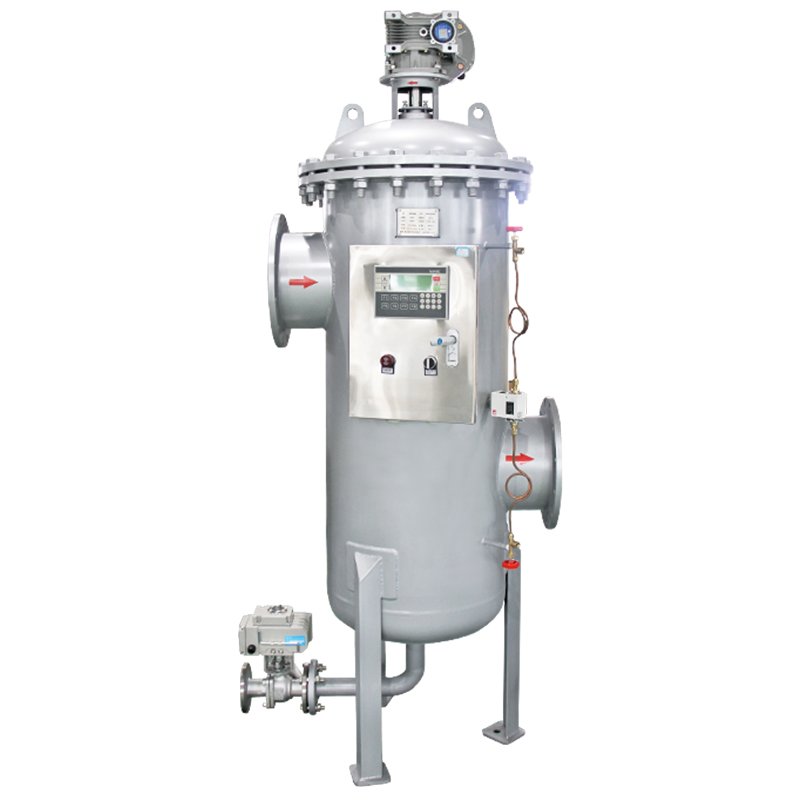
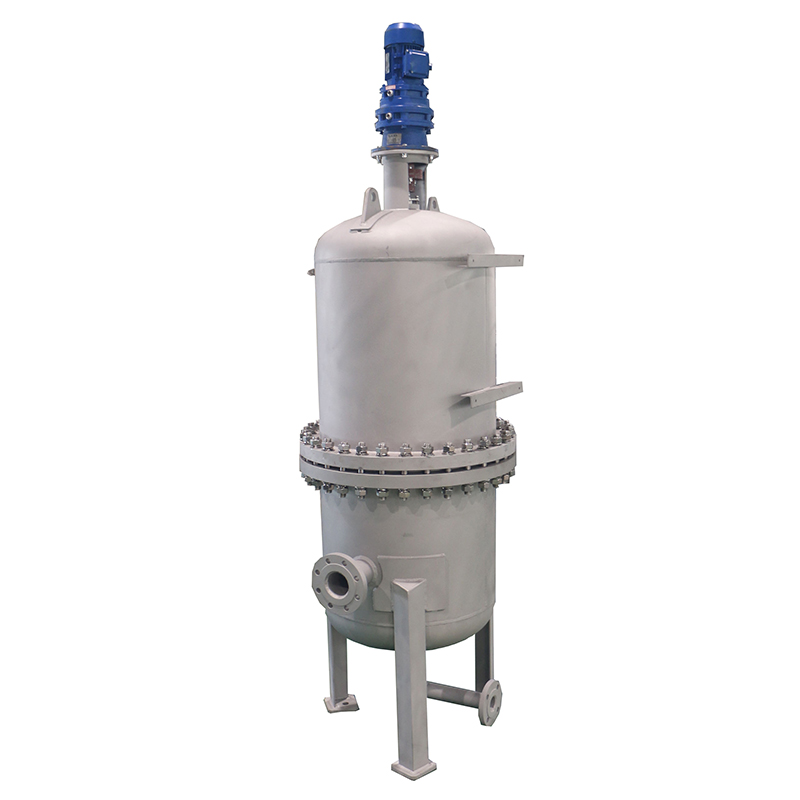
Contact us today to learn more about us, including cartridge type filters, bag filters, high flow filter housings, self-cleaning filters, shallow sand filters and more.
Why Lefilter is Your Preferred Choice
Quality Management System We Are Proud
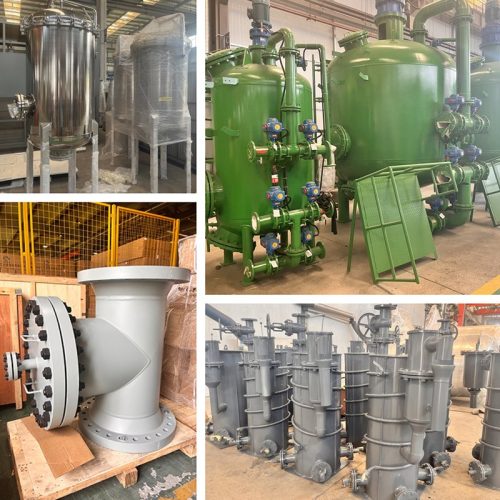
Features of Lefilter Water Filter Housings
- Advanced corrosion resistance with enhanced durability
- Focus on pressure drops, flow rates, and particle sizes
- Protects downstream equipment
- Traps foreign particles of all sizes
- Saves money on costly equipment repairs and replacements
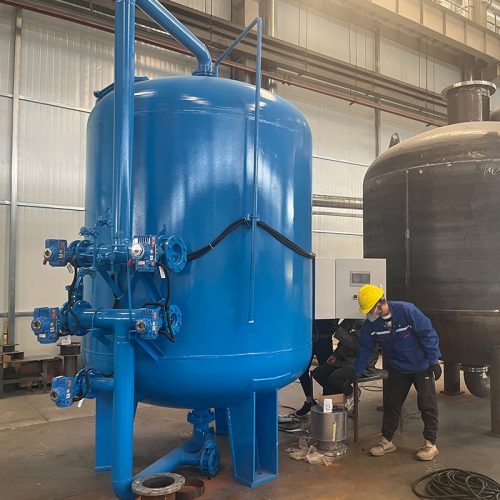
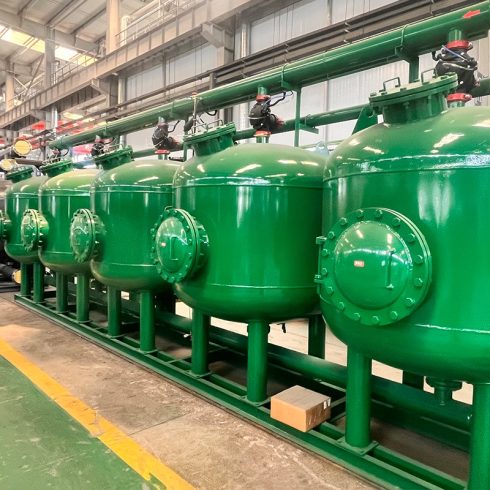
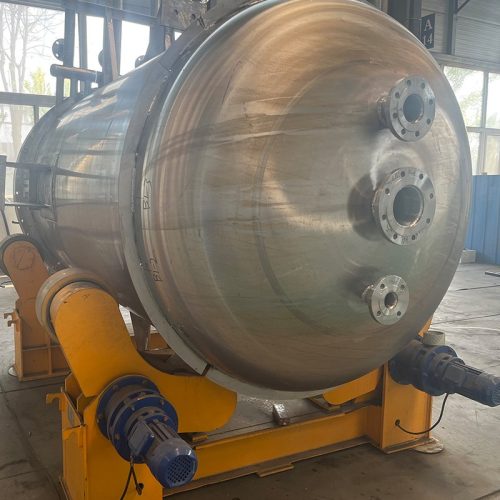
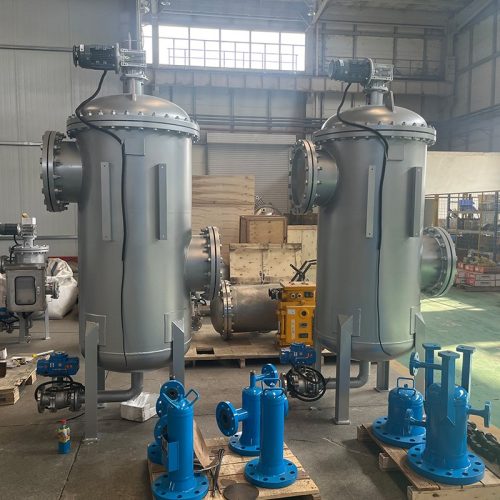
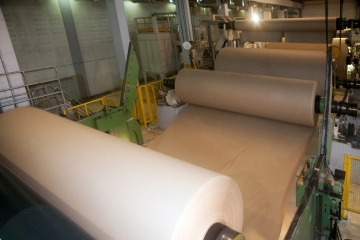
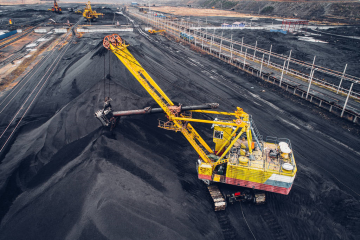
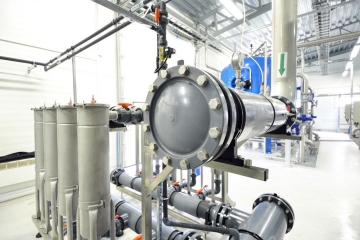
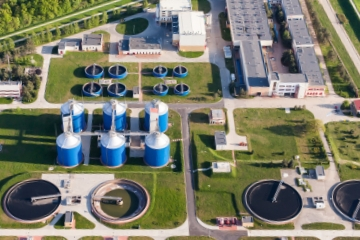
Lefilter protects your equipment and products and extends the life of your equipment by providing superior filtration and water treatment solutions for the following market segments.


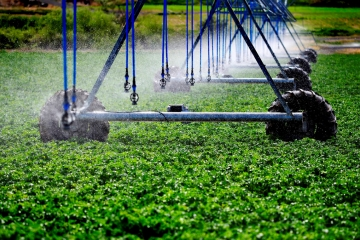
More Segments
- Marine Vessel
- Geothermal Energy
- Steam Turbines
- Desalination Process
- Oil Removal In Wastewater Applications
- Food & Beverage
- Bottle Washing Machines
- Tunnel Pasteurisers
- Dairy
- Whey Protein Concentration/Isolation
- Electrocoat Industry
- Ultrapure Water Production
- Biopharmaceuticals
- Antibiotics Production
- Dye Effluent Recovery & Concentration
Frequently Asked Questions
Filters are an important part of a piping system and are used to protect equipment from potential damage caused by dust and other particles that may be carried by the fluid.
Filters can be placed upstream of pumps (or control valves, traps, meters) during system startup and flushing to protect them from debris that may be left in the piping.
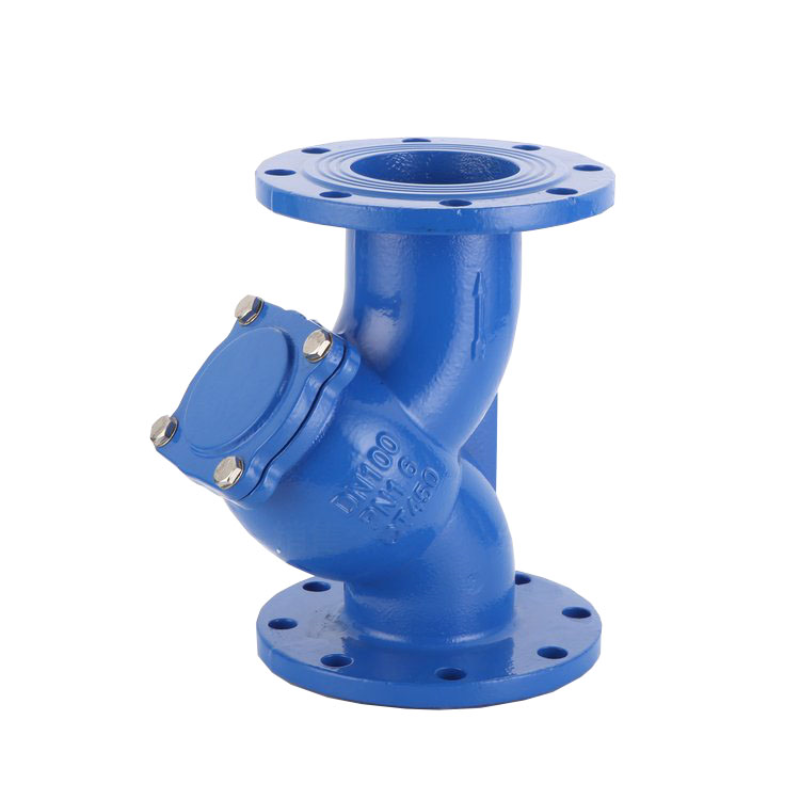
Y-type filters and basket filters are the most popular types of filters when it comes to piping auxiliaries.
Y-type filters are named after their shape and are usually used for coarse filtration. However, fine mesh can also be used for large filter areas. y-strainers can be installed horizontally or vertically, but only in pipes with downward flow. Upward flow may allow debris to flow back into the pipe.
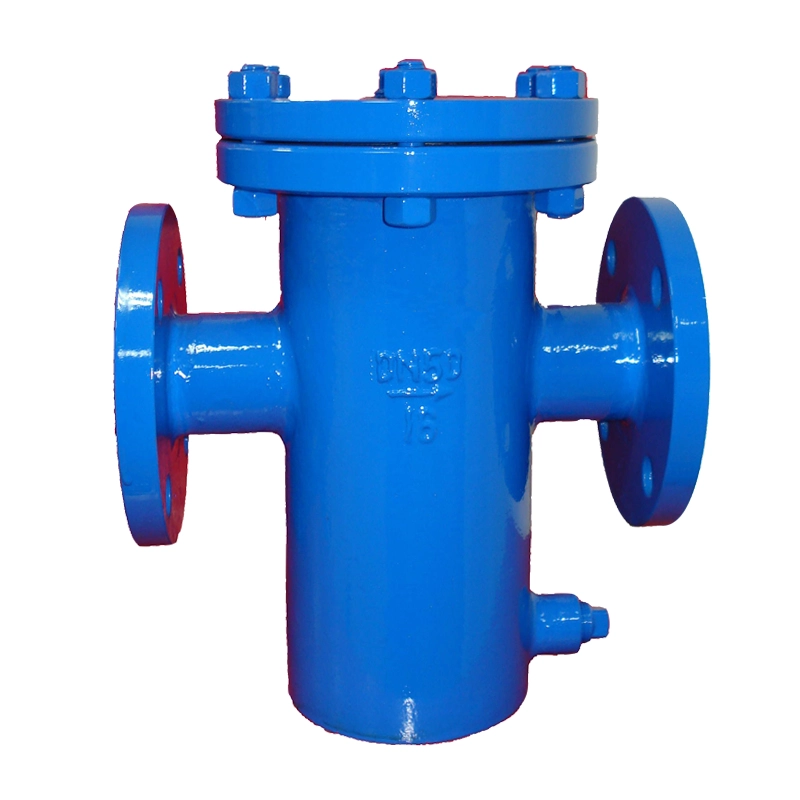
Very similar to the Y-type filters, basket filters get their name from their shape. Basket filters can only be installed in horizontal piping, and for larger, heavier basket filters, the base of the filter needs to be supported.
The most common materials used for Y-filter and basket filter bodies are cast iron, carbon steel, and stainless steel.
Cast iron is the most popular filter body material because of its low initial cost. It is used in systems where the pressure and temperature of the water is not high and the system is not subject to high heat or mechanical shock. In addition to a variety of other product and process uses, cast iron is used primarily for larger sizes of potable water lines and many non-potable water systems.
Carbon steel material is used where high temperature and pressure conditions are encountered and where resistance to thermal and mechanical shock is required. Carbon steel components are the material of choice where fire hazards exist.
Stainless steel is the preferred material for bodies, baskets and screens because it is corrosion and stain resistant and easy to clean.
As with most piping aids, the question of which is better will ultimately depend on the type of application you have and its characteristics. For example, for space constraints, the Y-filter is better suited and it is more flexible in installation - both vertically and horizontally.
If your process media is susceptible to contamination, you are better off using basket filters because they can hold more dirt before needing to be serviced, so they will last longer between cleanings. On the other hand, if your process media is environmentally benign, which means your application requires very little cleaning, then Y-filters may be cheaper.
Basket filters can be serviced without interrupting flow. Instead, to clean Y-filters, close the valve connections on both sides of the filter first. Unlike Y-filters that can be installed in both directions. The open area ratio will also be a consideration, as basket filters are rated significantly higher than Y filters, making them ideal for applications with continuous particle loads.
In summary, the higher open area ratio and higher holding capacity of basket filters make them the preferred choice for most liquid filtration applications that have intermittent processes or require occasional interruptions in flow. On the other hand, Y-filters are better suited for liquid applications requiring very low particle loading.