Self-cleaning filters represent an innovative technology that are gaining more popularity in various industries. Traditional filters require regular manual cleaning or replacement which introduces downtime and unnecessary waste. Self-cleaning filters address these issues through automated cleaning mechanisms that allow continuous operation.

There are different techniques used for self-cleaning depending on the application. A common method involves pulsing compressed air through the filter cartridge to dislodge captured particles. This can be done frequently without interrupting production. For applications with larger debris, mechanical shaking or rotating of the filter cartridge is effective. Some filters use intermittent backwashing with the filtered fluid itself to clean. Ultrasonic waves are also being tested to release firmly adhered contaminants.
The timing and intensity of the automated cleaning cycle depends on factors like the particle size, flow rate and required efficiency. Sophisticated filters contain sensors to monitor filter buildup and precisely control cleaning. This ensures optimal performance over the long-run. Programmable PLC systems can be integrated for unattended operation. The dislodged particles are simply flushed out of the system, reducing waste and man hours for maintenance.
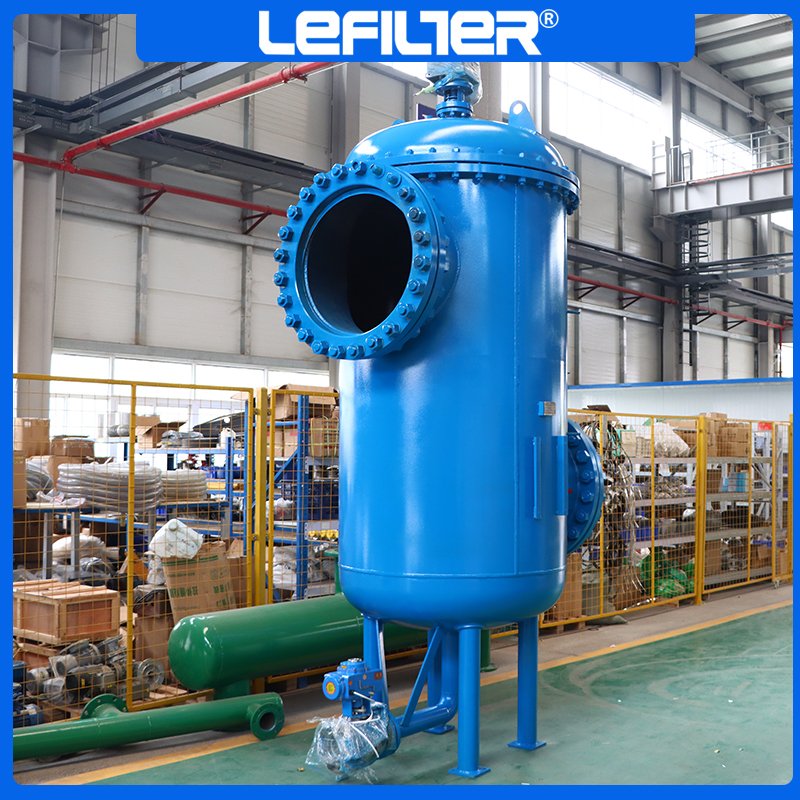
Industries benefiting the most include cement, mining and power where consistent purification of large dusty air streams or liquids is needed. Also, food processing and pharmaceuticals favoring closed-loop manufacturing favor self-cleaning filters. The meat industry uses them for washing meat trimmings while maintaining hygienic conditions. Harsh chemical plants also see value in eliminating human exposure during frequent cleanings.
With further development of materials and control mechanisms, the capabilities of self-cleaning filters will continue expanding. Some startups are working on automated cleaning of micro and ultra-filtration membranes using chemical washes or ultrasonic treatment. This would allow recycling process water directly without secondary treatment. Overall, self-cleaning filters are an example of Industry 4.0 principles of automation bringing efficiency gains across different verticals.