1. Working principle of self-cleaning filter
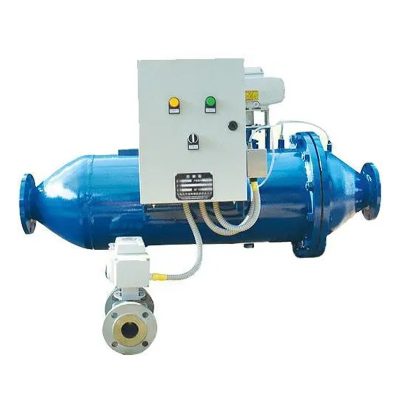
Self-cleaning filter is a precision equipment that uses filter screen to directly intercept impurities in water, remove suspended matter and particulate matter in water, reduce turbidity, purify water quality, reduce system dirt, algae, rust, etc., to purify water quality and protect the normal operation of other equipment in the system.
Its working process is mainly divided into two stages: filtration and cleaning.
In the filtration stage, water enters the filter from the water inlet and first passes through the coarse filter screen to intercept larger particles of impurities. Then, the water flows through the fine filter screen, which can intercept smaller particles of impurities, so that the filtered water flows out from the outlet to achieve the purpose of purifying water quality.
As the filtration proceeds, impurities gradually accumulate on the inner surface of the fine filter screen, causing a pressure difference between the inlet and outlet of the filter. When the pressure difference reaches the preset value, the self-cleaning filter automatically enters the cleaning stage.
There are mainly the following ways in the cleaning stage:
Suction cleaning
During cleaning, the drain valve is opened and the pressure inside the filter drops. Due to the negative pressure, the suction device sucks the dirt on the inner wall of the fine filter through the suction nozzle. The suction device is usually driven by a hydraulic motor and rotates inside the filter to ensure that the impurities on the filter can be fully sucked.
The suction device brings the sucked impurities into the hydraulic motor chamber and then discharges them through the sewage valve. This cleaning method can more thoroughly remove the impurities on the filter, and at the same time has little impact on normal filtration during the cleaning process.
Brush cleaning
When cleaning the brush self-cleaning filter, the motor drives the rotating brush to brush the fine filter. The brush is usually made of soft but hard material, which can effectively remove impurities on the filter without damaging the filter.
The cleaned impurities are discharged from the filter with the water flow. The brush cleaning method is suitable for treating water with more viscous impurities, which can ensure that the filtering efficiency of the filter is not affected.
Backwash cleaning
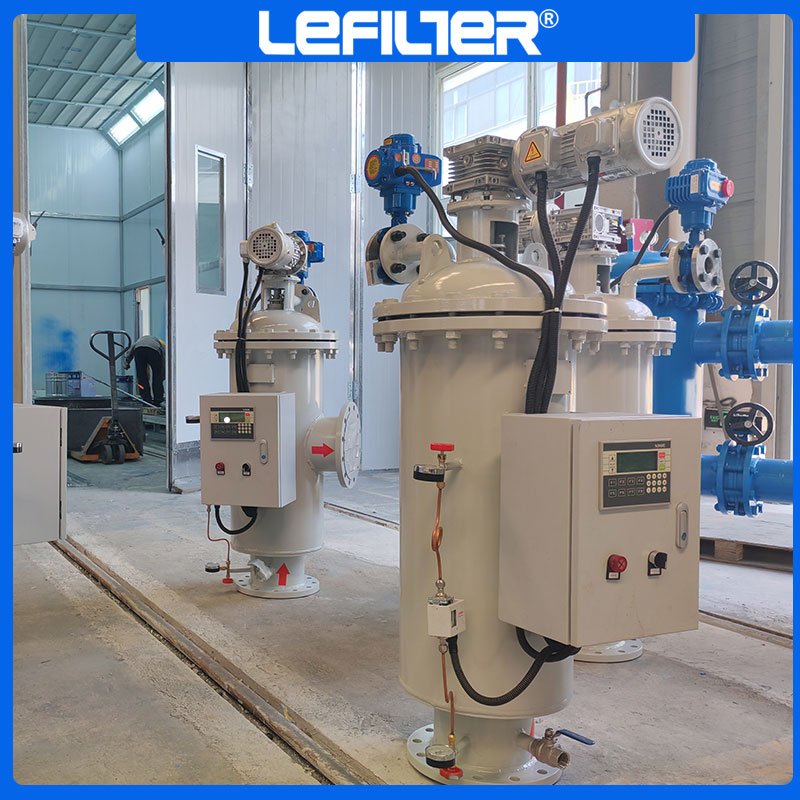
Backwashing is a more common self-cleaning method. When cleaning is required, the water flow direction is reversed and flows in from the water outlet of the filter in the opposite direction to flush the fine filter. The strong reverse water flow can flush the impurities on the filter screen away from the filter screen and discharge them through the drain valve.
Backwash cleaning has the advantages of good cleaning effect and fast speed, and can restore the filtering performance of the filter screen in a short time.
2. Application scenarios of self-cleaning filters
Industrial field
Steel industry: In the process of steel production, a large amount of water is required for cooling, flushing and other links. Self-cleaning filters can filter these waters, remove impurities such as rust and suspended matter, and prevent pipe blockage and equipment damage. For example, in the blast furnace cooling system, the self-cleaning filter can ensure the cleanliness of cooling water, improve the cooling effect, and extend the service life of the equipment.
Automobile manufacturing: The coating production line in the automobile manufacturing process has extremely high requirements for water quality, and any tiny impurities may affect the coating quality. Self-cleaning filters can provide high-quality water sources for the coating production line to ensure smooth and uniform paint surface. At the same time, in the engine manufacturing process, self-cleaning filters can also be used for water filtration of cooling systems and lubrication systems to ensure the normal operation of the engine.
Power industry: Boiler water and circulating cooling water in power plants need to be strictly filtered. Self-cleaning filters can remove impurities in water, prevent boiler scaling and corrosion, and improve power generation efficiency. In addition, in nuclear power plants, self-cleaning filters also play a vital role in ensuring the safe operation of nuclear reactors.
Petrochemical: A large amount of wastewater is generated during the production process of the petrochemical industry, and these wastewaters contain various impurities and pollutants. Self-cleaning filters can pre-treat wastewater, remove suspended matter, oil and other impurities, and provide good conditions for subsequent sewage treatment processes. At the same time, in the chemical production process, self-cleaning filters can also be used for filtering raw water and circulating water to ensure the smooth progress of production.
Agricultural field
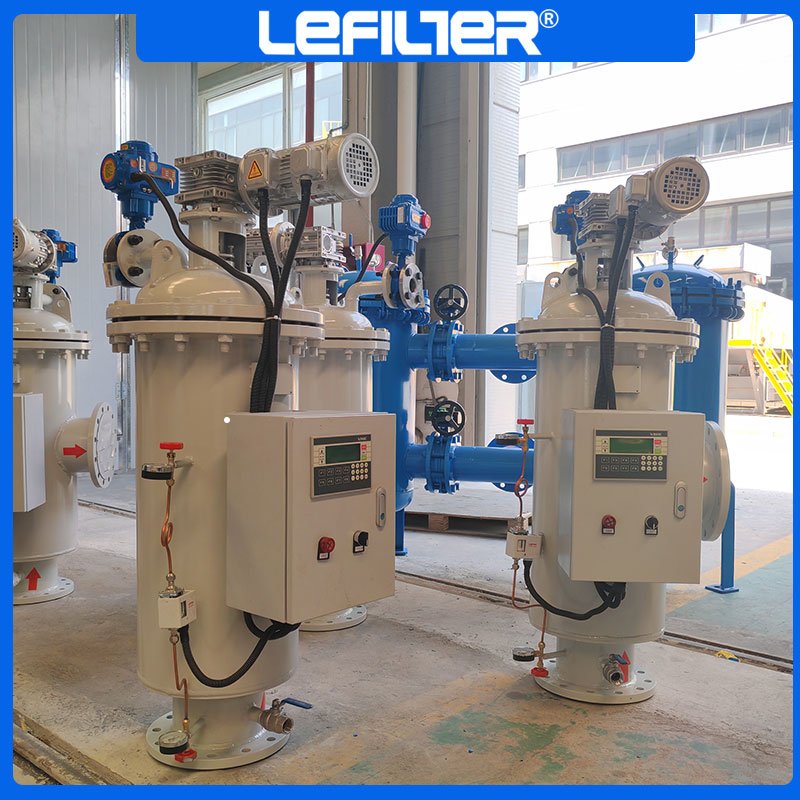
Irrigation system: Agricultural irrigation water usually comes from rivers, lakes or groundwater, which contains a large amount of impurities such as silt and organic matter. Self-cleaning filters can filter irrigation water to prevent nozzle clogging and improve irrigation efficiency. At the same time, the filtered water can reduce soil pollution and is conducive to the growth of crops.
Aquaculture: Aquaculture requires clean water quality. Self-cleaning filters can remove suspended matter, organic matter and other impurities in water, providing a good living environment for aquatic organisms such as fish and shrimp. In addition, the self-cleaning filter can also prevent the pipes in the aquaculture pond from being blocked, ensuring the normal operation of the aquaculture system.
Municipal field
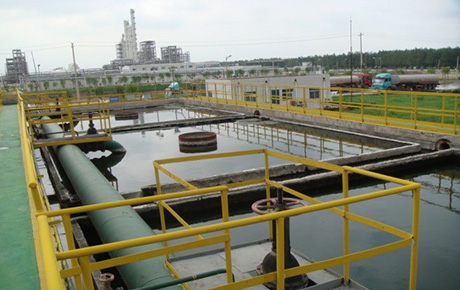
Sewage treatment: The self-cleaning filter can be used as a pretreatment equipment in the sewage treatment plant to remove large particle impurities in the sewage and reduce the burden of the subsequent treatment process. At the same time, in the deep treatment stage, the self-cleaning filter can also be used to remove tiny particles in the water and improve the water quality of the effluent.
Drinking water treatment: The self-cleaning filter can be used for the pretreatment of drinking water to remove impurities such as silt, rust, and suspended matter in the water, providing good conditions for the subsequent deep treatment process. In addition, the self-cleaning filter can also be installed in the water supply system of communities, schools, hospitals and other places to ensure the safety and hygiene of drinking water.
Other fields
Swimming pool water treatment: The water in the swimming pool needs to be continuously circulated and filtered to keep the water clean. The self-cleaning filter can remove impurities, bacteria and algae in the water, providing swimmers with a safe and comfortable swimming environment.
Central air conditioning system: The cooling water and chilled water of the central air conditioning system need to be filtered to prevent pipe blockage and equipment damage. The self-cleaning filter can remove impurities in the water, improve the operating efficiency of the system, and reduce maintenance costs.
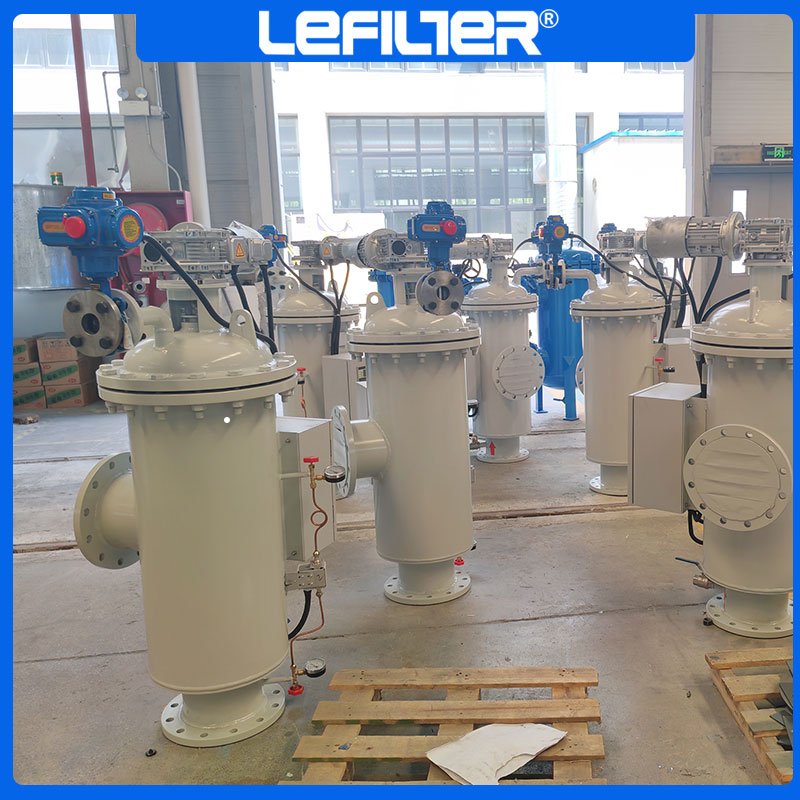
3. Selection method of self-cleaning filter
Determine parameters
Processing water volume: Select a self-cleaning filter with appropriate flow rate according to the actual amount of water to be processed. If the processing water volume is too small, the filter will be frequently cleaned, affecting the filtering efficiency; if the processing water volume is too large, the filtering effect of the filter will decrease, and the filter may even be damaged. Therefore, when selecting, it is necessary to accurately calculate the maximum processing water volume of the system and leave a certain margin.
Working pressure: Understand the pipeline pressure of the system and select a self-cleaning filter that can withstand the pressure. If the working pressure of the filter is lower than the pipeline pressure of the system, it may cause the filter to rupture or leak; if the working pressure of the filter is too high, it will increase the cost and maintenance difficulty of the equipment. Therefore, when selecting, it is necessary to select a filter with appropriate working pressure according to the actual pressure of the system.
Filtration accuracy: Determine the required filtration accuracy according to the size of the impurity particles to be removed and the requirements for water quality. The higher the filtration accuracy, the smaller the impurity particles that can be intercepted, but it will also increase the resistance and cleaning frequency of the filter. Therefore, when selecting, it is necessary to select a filter with appropriate filtration accuracy according to actual needs. Generally speaking, the filtration accuracy of self-cleaning filters in the industrial field is usually between 10 and 1000 microns, and the filtration accuracy of self-cleaning filters in the municipal field and drinking water treatment is usually between 1 and 100 microns.
Concentration of suspended matter in filtered impurities: Understand the concentration of suspended matter in the water, which will affect the filtration efficiency and cleaning cycle of the filter. If the concentration of suspended matter is high, it is necessary to select a filter with a large dirt holding capacity or a high cleaning frequency. At the same time, the backwashing capacity of the filter needs to be considered to ensure that impurities on the filter can be removed in time.
Relevant physical and chemical properties of the filter medium: Consider the properties of the filter medium, such as temperature, pH, corrosiveness, etc. For media with special properties, it is necessary to select filters of corresponding materials or perform special treatment. For example, for high-temperature media, it is necessary to select high-temperature resistant filters; for corrosive media, it is necessary to select corrosion-resistant filters.
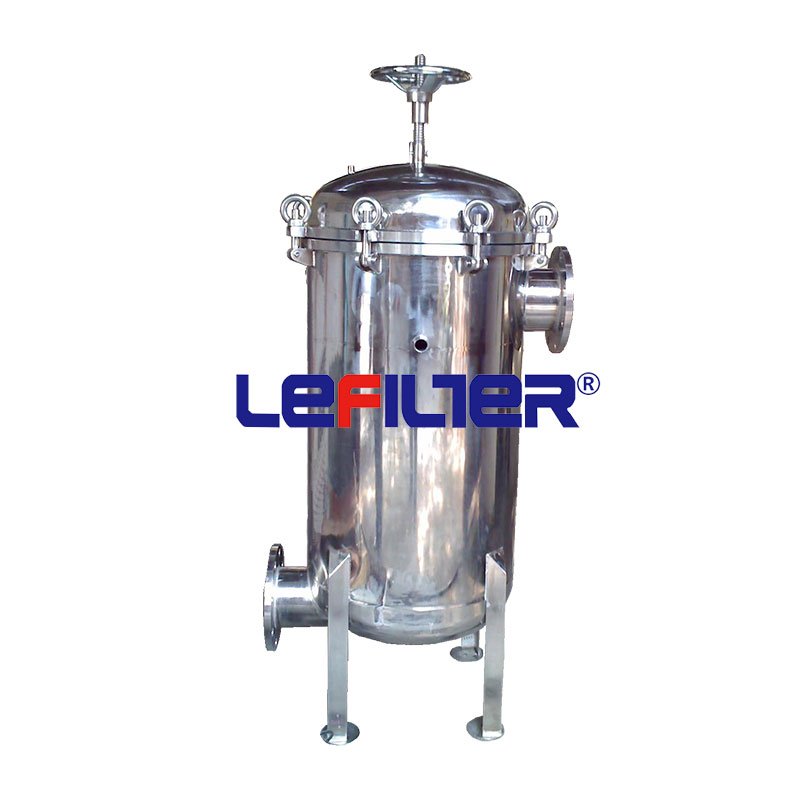
Consider other factors
Structural form: Determine the structural form of the self-cleaning filter according to the on-site installation location and space limitations. Common structural forms include vertical, horizontal, straight-through, Y-type, etc. Different structural forms are suitable for different installation occasions and need to be selected according to actual conditions.
Control mode: The control modes of self-cleaning filters include differential pressure control, time control, manual control and PLC control. Differential pressure control automatically starts cleaning according to the pressure difference between the inlet and outlet of the filter; time control is to clean at a set time interval; manual control requires manual operation to start cleaning; PLC control can achieve more complex logic control and automatic operation. When selecting, it is necessary to select the appropriate control mode according to actual needs and usage scenarios.
Special use: If there are special application requirements, such as high temperature, high pressure, corrosion resistance, etc., it is necessary to select a specially designed self-cleaning filter, or consult the manufacturer for a customized solution.
Brand and quality: Choosing a well-known brand and reliable quality self-cleaning filter can ensure the performance, stability and after-sales service of the product. The brand and quality can be evaluated by referring to the reputation of the manufacturer, the reputation of the product, and the quality certification.
Maintenance and care: Consider the difficulty and cost of filter maintenance, including the frequency of filter element replacement, cleaning method, and equipment durability. Choosing equipment that is easy to maintain and maintain can reduce the cost and workload of long-term use.