Introduction
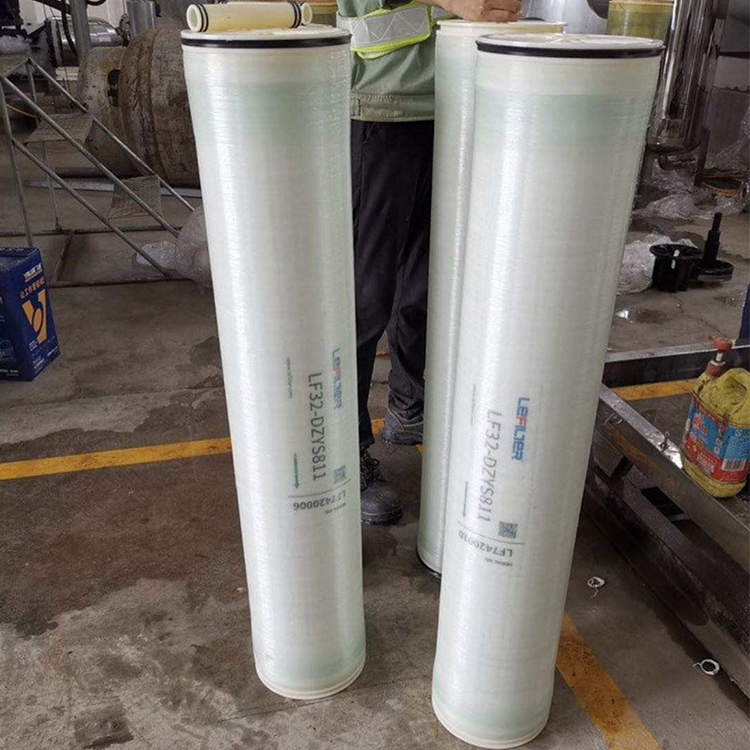
Reverse osmosis (RO) membranes are a critical component in water purification and desalination systems globally, offering an effective method for removing contaminants and producing high-quality potable water. This article provides a comprehensive overview of RO membranes, discussing their introduction, working principle, components, technical specifications, and application fields.
Product Introduction
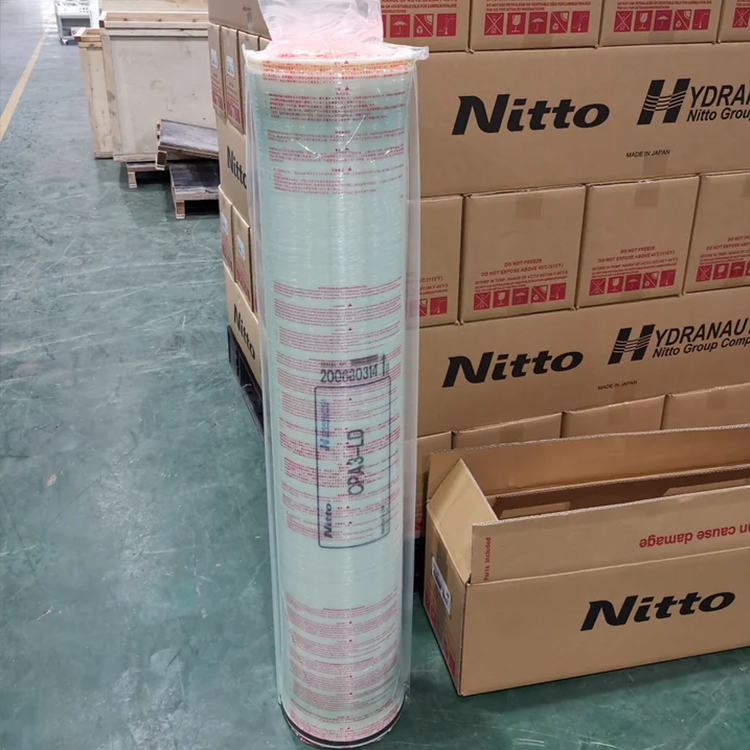
RO membranes are thin, semipermeable barriers used in reverse osmosis systems to filter out impurities from water. These membranes are designed to allow water molecules to pass through while rejecting dissolved salts, organic compounds, bacteria, and other contaminants. RO membranes are widely used in various sectors, including municipal water treatment, industrial water purification, and residential water filtration, due to their efficiency and reliability.
Working Principle
The working principle of RO membranes revolves around the concept of osmosis, but in reverse:
- Osmosis: Under normal conditions, water naturally moves from a region of low solute concentration to a region of high solute concentration through a semipermeable membrane, aiming to equalize solute concentrations on both sides.
- Reverse Osmosis: In reverse osmosis, pressure is applied to the side with the higher concentration of solutes, forcing the water molecules to move through the membrane to the side with lower solute concentration. This process leaves behind a concentrated solution of impurities on one side and purified water on the other.
- Filtration: The RO membrane’s tiny pores (typically around 0.0001 microns) allow only water molecules to pass through, effectively filtering out contaminants such as salts, bacteria, viruses, and organic molecules.
Product Components
RO membranes consist of several key components that contribute to their effectiveness and durability:
- Polyamide Layer: The active layer of the membrane, typically made from polyamide, is responsible for the selective filtration of water molecules. This layer is extremely thin and features a high density of microscopic pores.
- Support Layer: Beneath the polyamide layer, there is a support layer made from polysulfone or another sturdy material. This layer provides structural integrity to the membrane, ensuring it can withstand the pressures involved in the reverse osmosis process.
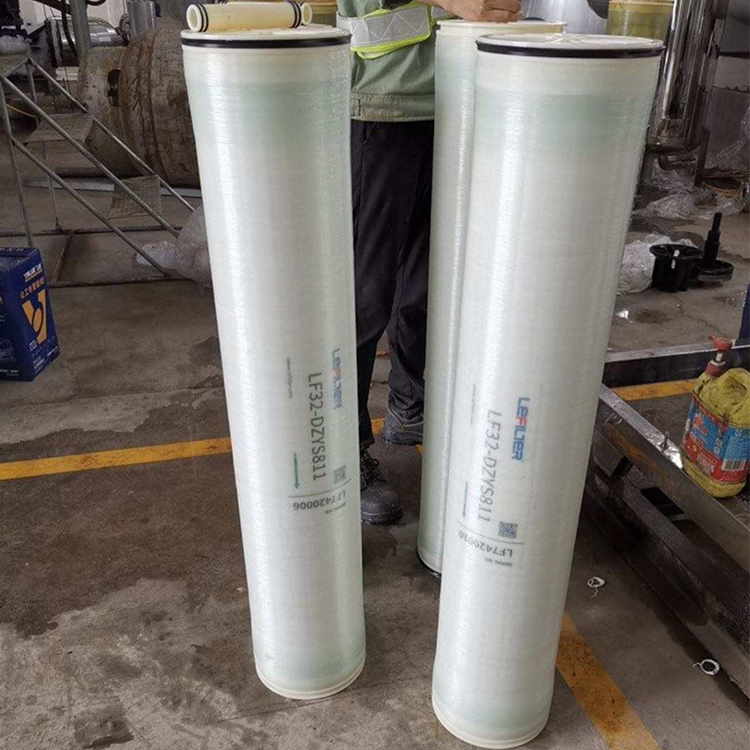
- Membrane Module: The membrane is housed within a module, which can vary in design. Common types include spiral-wound and hollow fiber modules. The module design influences the membrane’s surface area, flow characteristics, and ease of maintenance.
- Feed Spacer: Within the membrane module, feed spacers are used to create channels that direct the flow of water across the membrane surface, enhancing filtration efficiency and reducing fouling.
- Permeate Carrier: The permeate carrier collects the purified water (permeate) and directs it to the permeate outlet, ensuring efficient removal of purified water from the membrane module.
Technical Specifications
Understanding the technical specifications of RO membranes is essential for selecting the right membrane for a specific application. Key specifications include:
- Salt Rejection Rate: This indicates the membrane’s ability to reject dissolved salts. High-quality RO membranes typically have a salt rejection rate of 99% or higher, ensuring the production of highly purified water.
- Flow Rate: The flow rate measures the volume of water that can pass through the membrane per unit of time, often expressed in gallons per day (GPD) or liters per hour (LPH). The flow rate depends on factors such as membrane surface area, pressure, and feed water quality.
- Operating Pressure: The operating pressure specifies the range of pressures at which the membrane can function effectively. RO membranes generally require pressures between 50 and 1,000 psi, depending on the application and water source.
- Temperature Range: The temperature range indicates the range of temperatures at which the membrane can operate without compromising performance. Most RO membranes are designed to function within a temperature range of 5°C to 45°C (41°F to 113°F).
- pH Range: The pH range specifies the allowable pH levels of the feed water. RO membranes typically operate within a pH range of 2 to 11, ensuring compatibility with various water sources.
- Recovery Rate: The recovery rate measures the percentage of feed water that is converted into permeate (purified water). Higher recovery rates indicate more efficient water usage and reduced wastewater production.
Application Fields
RO membranes are used in a wide range of applications to ensure the production of high-quality purified water:
- Municipal Water Treatment: In municipal water treatment plants, RO membranes are used to desalinate seawater or brackish water, providing a reliable source of potable water for communities. They also remove contaminants such as heavy metals, nitrates, and pesticides from surface and groundwater sources.
- Industrial Water Purification: In industrial settings, RO membranes purify process water, ensuring the quality and consistency of products. Industries such as pharmaceuticals, food and beverage, electronics, and power generation rely on RO membranes to remove impurities and reduce scaling and fouling in equipment.
- Residential Water Filtration: RO membranes are used in home water filtration systems to provide clean, safe drinking water. These systems remove contaminants such as chlorine, lead, arsenic, and fluoride, improving the taste and safety of tap water.
- Agricultural Irrigation: In agriculture, RO membranes are used to treat saline or brackish water for irrigation purposes. This ensures that crops receive high-quality water, promoting healthy growth and increasing yield.
- Wastewater Treatment: RO membranes play a crucial role in wastewater treatment and recycling, enabling the recovery of clean water from industrial and municipal wastewater streams. This helps reduce environmental pollution and conserve water resources.
- Aquaculture: In aquaculture, RO membranes provide clean water for fish and other aquatic organisms, reducing the risk of disease and promoting healthy growth. They remove contaminants such as ammonia, nitrates, and pathogens from water sources.
Conclusion
RO membranes are indispensable tools for achieving high levels of water purity across various applications. Their ability to effectively remove contaminants, coupled with their versatility and reliability, makes them essential components in water treatment and purification systems. By understanding their working principles, components, technical specifications, and application fields, we can appreciate the significant role that RO membranes play in ensuring the availability of clean, safe water for diverse needs.