Introduction
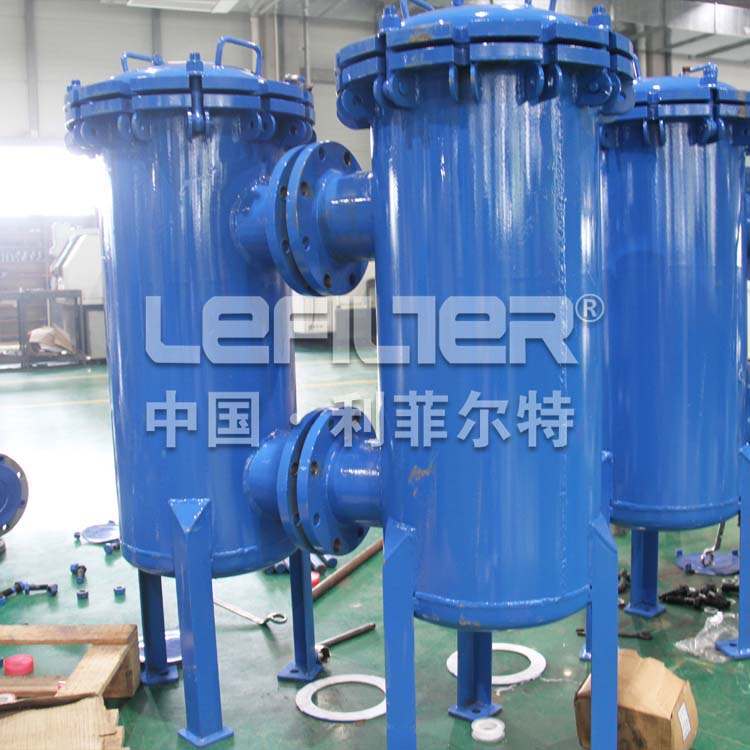
In industrial filtration systems, maintaining continuous and efficient operation is paramount to ensuring production stability, reducing downtime, and optimizing overall process efficiency. The duplex filter, also known as the double switch filter, emerges as a critical solution designed to address the limitations of traditional single-cylinder filters. Composed of two stainless steel filters connected in parallel, this innovative filtration device has revolutionized various industrial applications by enabling uninterrupted filtration even during filter element maintenance. Its design philosophy centers on combining reliability, ease of operation, and cost-effectiveness, making it an indispensable component in sectors ranging from hydraulic systems to water treatment. As industries increasingly demand seamless production processes, the duplex filter has become a cornerstone technology, ensuring that filtration tasks—whether for oils, water, or other fluids—are carried out with precision and minimal disruption.
Advantages & Features
The duplex filter boasts a array of advantages and features that set it apart in industrial filtration. Structurally, it is characterized by a novel and reasonable design, which not only enhances its durability but also ensures optimal performance in diverse operating conditions. The use of stainless steel for the filter bodies contributes to its resistance against corrosion, extending its service life and making it suitable for harsh industrial environments.
Sealing performance is another key feature of the duplex filter. Its robust sealing mechanism prevents fluid leakage, ensuring that the filtration process is efficient and that there is no loss of valuable materials. This tight sealing also helps maintain the purity of the filtered fluid, as unfiltered contaminants are unable to bypass the filter elements.
In terms of flow capacity, the duplex filter excels with its strong throughput capabilities. The parallel arrangement of the two filters allows for a higher volume of fluid to be processed simultaneously compared to single-cylinder filters, making it ideal for applications where high flow rates are required. This feature is particularly valuable in large-scale industrial processes where any reduction in flow can lead to production delays.
Ease of operation is a standout advantage for operators. The design simplifies routine tasks such as monitoring filter performance and conducting maintenance. Additionally, the ability to quickly replace filter bags is a significant time-saver. Unlike traditional filters that may require complex disassembly, the duplex filter’s design allows for swift 更换,minimizing downtime and ensuring that the filtration process can resume promptly.
Perhaps one of the most economically beneficial features is its minimal material consumption during filtration. The efficient design ensures that very little of the processed fluid is wasted, which directly reduces operating costs. Over time, this translates into substantial savings for industrial facilities, making the duplex filter a cost-effective choice in the long run.
Structure Specification
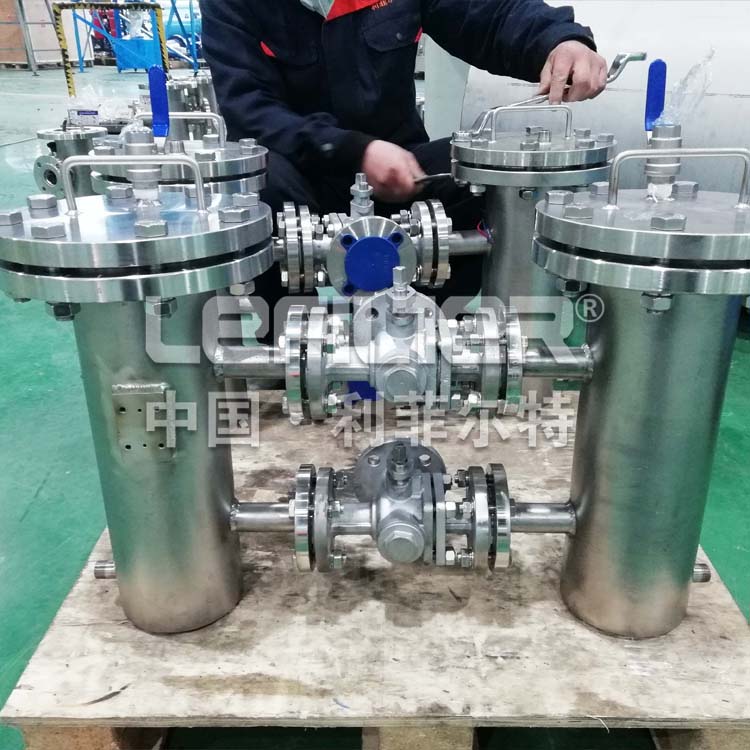
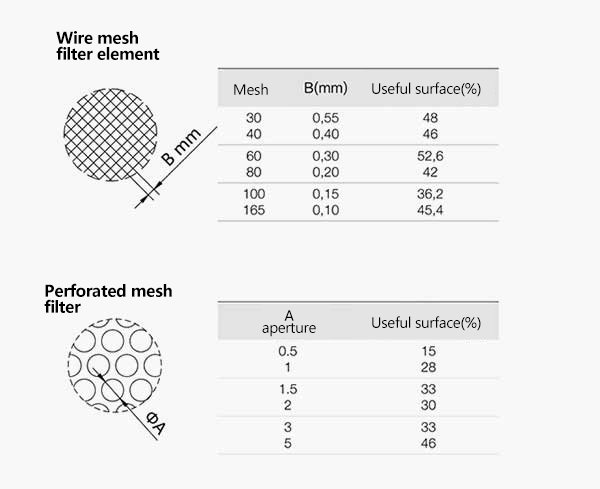
The duplex filter’s structure is meticulously engineered to deliver reliable and continuous filtration. At its core, it consists of two single-cylinder filters connected in parallel, each housing a filter element designed to trap contaminants of specific sizes. The filter elements can vary depending on the application, with options such as mesh screens, filter bags, or cartridges, each tailored to remove particular types of impurities like suspended solids, particulate matter, rust, bacteria, and algae.
A critical component of the duplex filter is the full-bore three-way ball valve, which serves as the switching mechanism between the two single-cylinder filters. This valve is designed to handle the full flow of the fluid, ensuring that there is no significant pressure drop when switching from one filter to the other. The three-way ball valve is typically made from high-quality materials that can withstand the pressure and chemical properties of the fluid being filtered, ensuring smooth operation and long-term reliability.
The two single-cylinder filters are mounted in a parallel configuration, allowing fluid to flow through either one or both filters depending on the operational needs. Each filter is equipped with inlet and outlet ports that connect to the main fluid line, with the three-way ball valve controlling the direction of flow. This setup ensures that when one filter is in use, the other can be kept in standby mode, ready to take over when needed.
The overall structure is compact, making it suitable for installation in spaces where floor area is limited. Despite its compactness, the design allows for easy access to the filter elements, facilitating quick replacement and maintenance. The stainless steel construction of the filter bodies and the valve ensures that the entire assembly is robust, resistant to wear and tear, and capable of operating under high-pressure conditions commonly found in industrial settings.
Working Principle
The working principle of the duplex filter is based on the seamless switching between two parallel filter units, enabling continuous operation without the need to shut down the main system. During normal operation, fluid flows into the duplex filter through the inlet and is directed to one of the two single-cylinder filters via the three-way ball valve. As the fluid passes through the filter element, contaminants such as suspended solids, particulate matter, rust, and bacteria are trapped, leaving the filtered fluid to exit through the outlet and continue to the main system.
Over time, the filter element in use will accumulate contaminants, leading to a gradual increase in pressure drop across the filter. When the pressure drop reaches a predetermined level, indicating that the filter element is clogged and needs cleaning or replacement, the duplex filter’s unique design comes into play. Instead of stopping the main engine or process, the operator simply actuates the three-way ball valve to switch the fluid flow to the second single-cylinder filter, which is in standby mode. This switch is instantaneous and does not disrupt the flow of fluid to the main system, ensuring continuous operation.
Once the flow has been redirected to the second filter, the clogged filter element in the first filter can be safely removed, cleaned, or replaced. During this maintenance period, the second filter continues to handle the fluid filtration, maintaining the integrity of the process. After the first filter’s element is replaced or cleaned, it is placed back into standby mode, ready to take over when the second filter’s element becomes clogged.
A small amount of leakage is permissible during the switching process, but the design minimizes this to an insignificant level, ensuring that there is no substantial loss of fluid or compromise in the quality of the filtered product. This working principle eliminates the major drawback of single-cylinder filters, which require system shutdowns for filter element maintenance, thereby enhancing productivity and reducing operational disruptions.

Application
The duplex filter finds extensive application across a wide range of industrial sectors, thanks to its versatility and efficiency. One of its primary uses is in the filtration of hydraulic oil and lubricating oil. In hydraulic systems, clean oil is essential for the smooth operation of pumps, valves, and actuators, as contaminants can cause wear and tear, leading to system failures. The duplex filter ensures that hydraulic and lubricating oils remain free from particulate matter and other impurities, extending the lifespan of machinery and reducing maintenance costs.
Industrial quenching oil cooling systems also benefit greatly from the duplex filter. Quenching oil is used in heat treatment processes to cool metals rapidly, and its purity directly affects the quality of the treated metal. Contaminants in quenching oil can lead to uneven cooling, surface defects, and reduced material strength. By continuously filtering the quenching oil, the duplex filter maintains its quality, ensuring consistent heat treatment results.
In water treatment applications, the duplex filter plays a crucial role in reverse osmosis (RO) security filtration and seawater desalination pretreatment. RO systems require feed water to be free from suspended solids and particulate matter to prevent membrane fouling, which can reduce the efficiency and lifespan of the RO membranes. The duplex filter acts as a security filter, removing these contaminants before the water enters the RO system. Similarly, in seawater desalination, pretreatment with a duplex filter removes algae, bacteria, rust, and other impurities, protecting the desalination equipment and improving the quality of the desalinated water.
Other applications include the filtration of various process waters in industries such as chemical processing, food and beverage production, and pharmaceutical manufacturing. In these sectors, the removal of bacteria, algae, and other contaminants is essential to meet strict quality and safety standards. The duplex filter’s ability to provide continuous, high-quality filtration makes it an invaluable asset in ensuring product purity and process efficiency.
Summary
The duplex filter, or double switch filter, represents a significant advancement in industrial filtration technology, offering a blend of efficiency, reliability, and convenience. Its design, featuring two parallel stainless steel filters and a full-bore three-way ball valve, enables continuous operation by allowing filter element maintenance without system shutdowns—a key advantage over traditional single-cylinder filters.
With its novel structure, excellent sealing performance, strong flow capacity, and ease of operation, the duplex filter ensures accurate filtration accuracy while minimizing material consumption and operating costs. Its applications span across critical industrial sectors, including hydraulic and lubricating oil filtration, industrial quenching systems, water treatment for RO and seawater desalination, and various process water filtration needs.
By addressing the limitations of conventional filters and providing uninterrupted filtration, the duplex filter contributes to enhanced productivity, reduced downtime, and improved product quality in industrial processes. As industries continue to evolve and demand higher standards of efficiency and reliability, the duplex filter remains a vital component in maintaining the integrity of fluid systems and ensuring smooth operations.