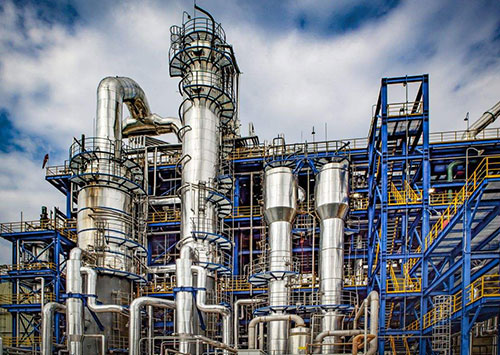
Against the backdrop of various challenges facing global water resources today, RO reverse osmosis equipment, as a representative of efficient water purification technology, is at a critical stage of industry development and continues to attract the attention of global suppliers and end users. The following are some of the latest industry dynamics of RO reverse osmosis equipment worldwide.
Technological innovation leads industry development
In recent years, the technological innovation of RO reverse osmosis equipment has made continuous breakthroughs, providing stronger support for its application in various fields. For example, the research and development of new reverse osmosis membrane materials has become the focus of the industry. Some advanced materials not only improve the filtration efficiency and desalination rate of the membrane, but also enhance the membrane’s anti-fouling and service life. This enables RO reverse osmosis equipment to maintain more stable performance when treating complex water quality, reducing equipment maintenance costs and operating risks.
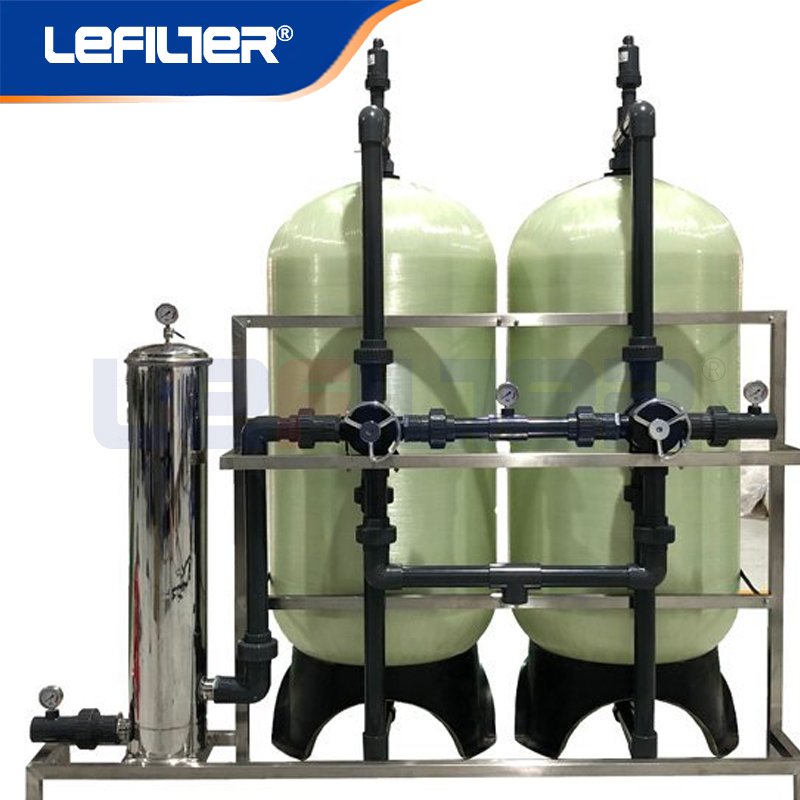
Take a water treatment technology company in the United States as an example. They have invested heavily in the development of a new nano-composite reverse osmosis membrane with a more uniform pore size distribution, which can more effectively intercept tiny impurities and pollutants in water. In actual applications, the desalination rate of this new membrane is as high as 99.9%, which is nearly 10% higher than that of traditional reverse osmosis membranes. This technological innovation not only won the company a market competitive advantage, but also provided new ideas and directions for the development of the global RO reverse osmosis equipment industry.
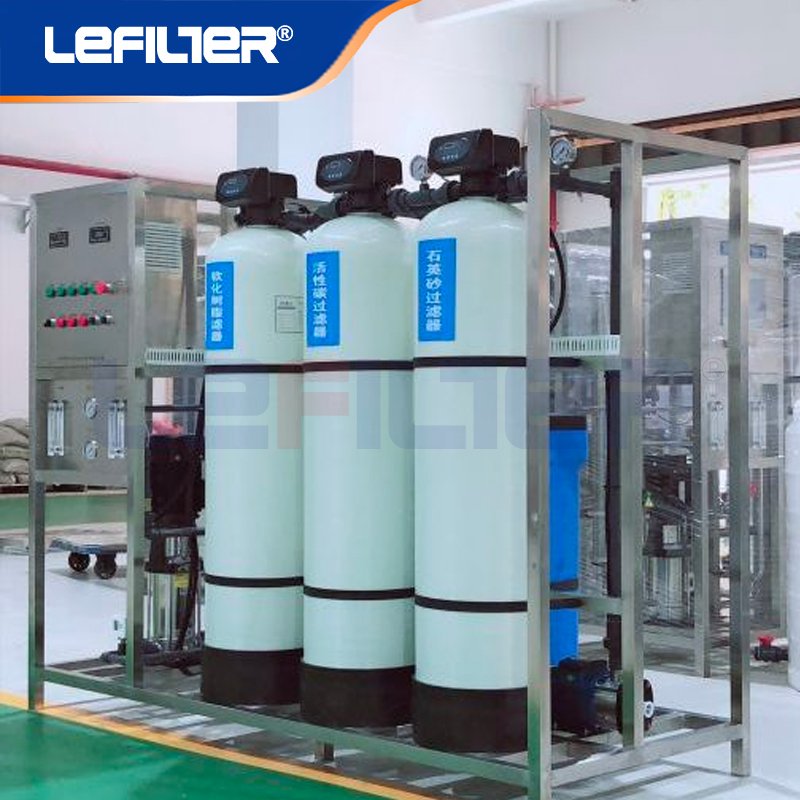
At the same time, intelligent technology has gradually been applied to RO reverse osmosis equipment. Through the combination of technologies such as sensors, the Internet of Things and artificial intelligence, the equipment can realize functions such as remote monitoring, automatic adjustment and fault warning. This greatly improves the operation and management efficiency of the equipment and provides users with a more convenient and reliable use experience. Some large water treatment plants in Europe have begun to adopt intelligent RO reverse osmosis equipment systems. By real-time monitoring of water quality and equipment operating parameters, the operating status of the equipment can be adjusted in time to ensure that the water quality always meets the standards.
Market demand continues to grow
With the growth of the global population, the acceleration of the industrialization process and the continuous improvement of people’s requirements for drinking water quality, the market demand for RO reverse osmosis equipment has shown a trend of continuous growth. In the field of drinking water, especially in some areas with water shortages and serious water pollution, RO reverse osmosis equipment has become an important means to solve the problem of drinking water safety. For example, many countries in the Middle East have long relied on seawater desalination technology to obtain drinking water due to the shortage of fresh water resources. RO reverse osmosis equipment plays a key role in the desalination process. It can effectively remove salt and other impurities in seawater and produce fresh water that meets drinking standards.
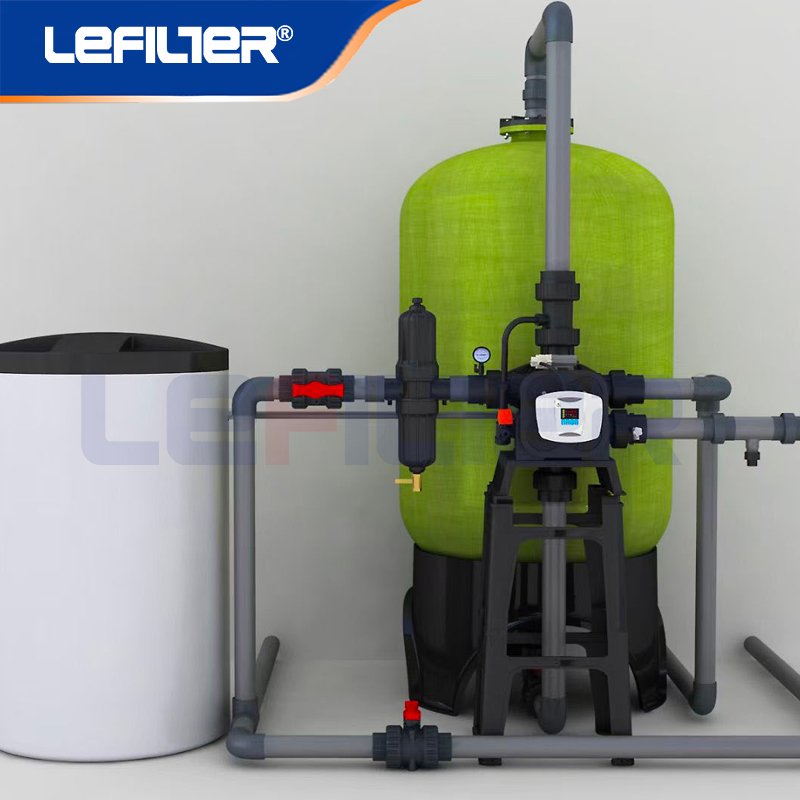
In the industrial field, the application of RO reverse osmosis equipment is becoming more and more extensive. The electronics, pharmaceutical, chemical, power and other industries have extremely high requirements for water quality and need to use high-purity water as production raw materials or process water. RO reverse osmosis equipment can meet the strict requirements of these industries for water quality and provide a reliable water source guarantee for their production process. For example, in the semiconductor manufacturing process, ultrapure water is indispensable. RO reverse osmosis equipment combined with other water treatment technologies can produce ultrapure water with a resistivity of up to 18.2 MΩ・cm to ensure the production quality of semiconductor chips.
In addition, with the increase of environmental awareness, the demand for RO reverse osmosis equipment in the field of wastewater treatment and reuse is also increasing. Many enterprises and urban sewage treatment plants have begun to use RO reverse osmosis technology to deeply treat wastewater, and reuse the treated water for production or urban greening, landscape water, etc., realizing the recycling of water resources and reducing dependence on fresh water resources. According to data from market research institutions, the global RO reverse osmosis equipment market has maintained an annual growth rate of more than 10% in the past few years, and is expected to maintain a high growth rate in the next few years.
Increasingly fierce industry competition
As the RO reverse osmosis equipment market continues to expand, industry competition is also becoming increasingly fierce. Globally, many water treatment equipment suppliers have increased their investment in R&D and market promotion of RO reverse osmosis equipment, striving to gain a place in the competition. Some internationally renowned water treatment companies, such as Dow Chemical and General Electric in the United States, and Toray in Japan, have occupied a large share of the global RO reverse osmosis equipment market with their strong technical strength, brand influence and rich market experience.
At the same time, some emerging companies are also rising, and through technological innovation and differentiated market strategies, they have gradually gained certain competitive advantages in the market. For example, some water treatment equipment companies in China have made significant progress in the technical research and development and production and manufacturing of RO reverse osmosis equipment. Their products are not only widely recognized in the domestic market, but also exported to Europe, the Middle East, Southeast Asia and other regions. The rise of these companies has not only brought new competitive vitality to the global RO reverse osmosis equipment market, but also promoted the continuous advancement of industry technology.
In order to stand out from the competition, suppliers not only compete in product quality and performance, but also in after-sales service and solution provision. Some suppliers provide a full range of water treatment solutions, including one-stop services such as equipment design, installation, commissioning, and maintenance, to meet the diverse needs of users. This comprehensive service capability has become an important advantage for suppliers in market competition.