Introduction
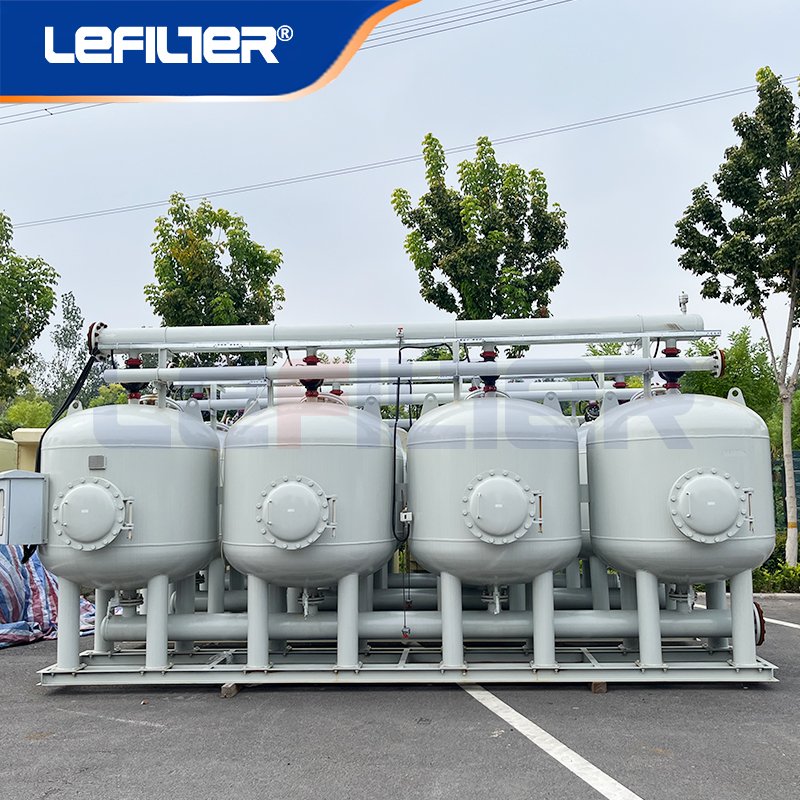
The shallow sand filter is a remarkable device that has gained significant popularity in the water treatment domain. It serves as a fundamental tool for purifying water, making it suitable for a multitude of applications. With its reliable performance and cost-effective nature, it has become a go-to choice for many industries and individuals alike.
Working Principle
At the heart of the shallow sand filter’s operation lies a simple yet highly effective process. Water is introduced into the filter, where it first comes into contact with the uppermost layer of a carefully designed sand bed. The coarse sand particles in this layer act as the initial barrier, capturing larger suspended solids such as gravel, twigs, and coarse silt. As the water continues its downward journey through the sand bed, finer sand layers beneath progressively remove smaller impurities, including sediment, microscopic debris, and even certain microorganisms. This sequential filtration, layer by layer, ensures that the water emerging from the filter is substantially cleaner and of improved quality.
Product Composition
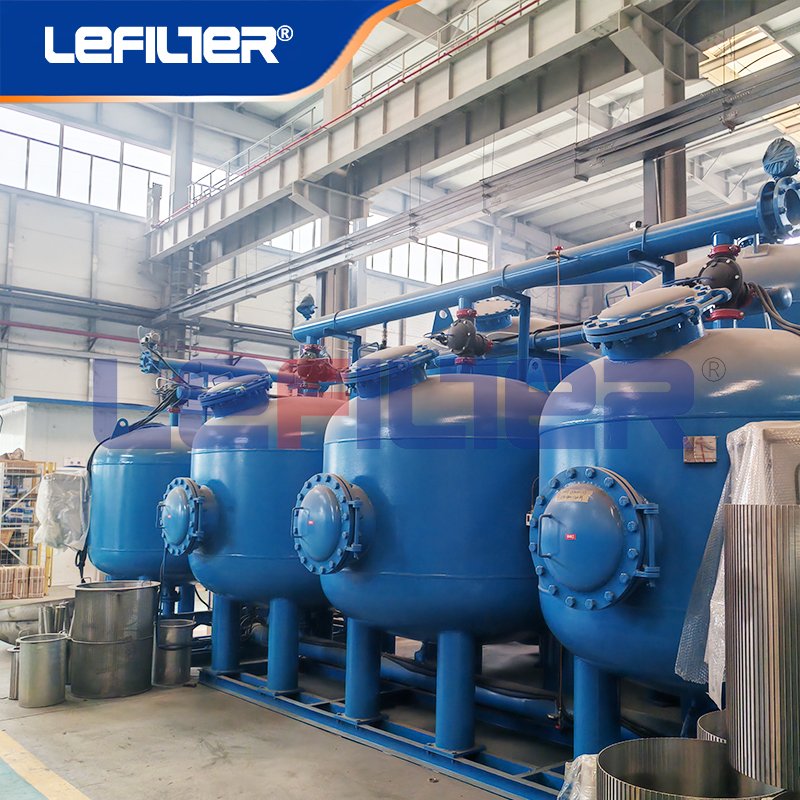
- Tank: The filter is encased in a sturdy, corrosion-resistant tank, usually made of materials like fiberglass or stainless steel. This tank provides structural integrity and protection to the internal components. It is designed with precision to accommodate the sand bed and facilitate proper water flow.
- Sand Bed: Comprising different grades of sand, carefully selected and graded according to specific particle size distributions. The top layers have larger sand grains for initial coarse filtration, while the deeper layers feature finer grains for more detailed purification.
- Inlet and Outlet Ports: Strategically positioned on the tank to ensure an even distribution of incoming water across the sand bed and a smooth exit for the filtered water. These ports are engineered to minimize turbulence and maximize filtration efficiency.
- Backwash System: A crucial component that allows for the periodic cleaning of the sand bed. It works by reversing the water flow, flushing out the trapped impurities and restoring the filter’s performance. Modern systems often come with automated controls for convenience.

Technical Specifications
- Flow Rate: Ranging from small household units capable of handling a few gallons per minute to large industrial-scale models that can process hundreds or even thousands of gallons per minute. This versatility makes it suitable for various needs, from a single-family home to a large manufacturing plant.
- Pressure Drop: Engineered to maintain a relatively low pressure drop across the filter. Typical values range from as low as a few psi to around 10 psi, depending on factors like flow rate and the condition of the sand bed. A low pressure drop ensures energy-efficient operation, reducing overall operating costs.
- Sand Bed Depth: Varies based on the application. For general-purpose use, it commonly ranges from 12 inches to 36 inches. Deeper beds offer enhanced filtration but may also increase backwash requirements.
Application Fields
- Municipal Water Treatment: Plays a vital role in the initial stages of purifying water for public consumption. It helps remove large amounts of suspended solids before further disinfection and advanced treatment processes.
- Industrial Processes: In industries like textile, paper, and chemical manufacturing, where water quality is crucial for production. It prevents equipment clogging by filtering out impurities, ensuring smooth operation and prolonging equipment lifespan.
- Agriculture: Purifies water for irrigation, preventing the clogging of sprinkler heads and drip systems. This leads to more efficient water distribution and healthier crop growth.
- Aquaculture: Maintains clean water conditions in fish ponds and aquaculture facilities, reducing the risk of diseases and ensuring optimal living conditions for aquatic organisms.
Conclusion
In conclusion, the shallow sand filter, with its comprehensive design, efficient working principle, and wide applicability, offers a reliable solution for diverse water filtration requirements. Its continuous development and improvement ensure that it remains a key player in the water treatment industry.