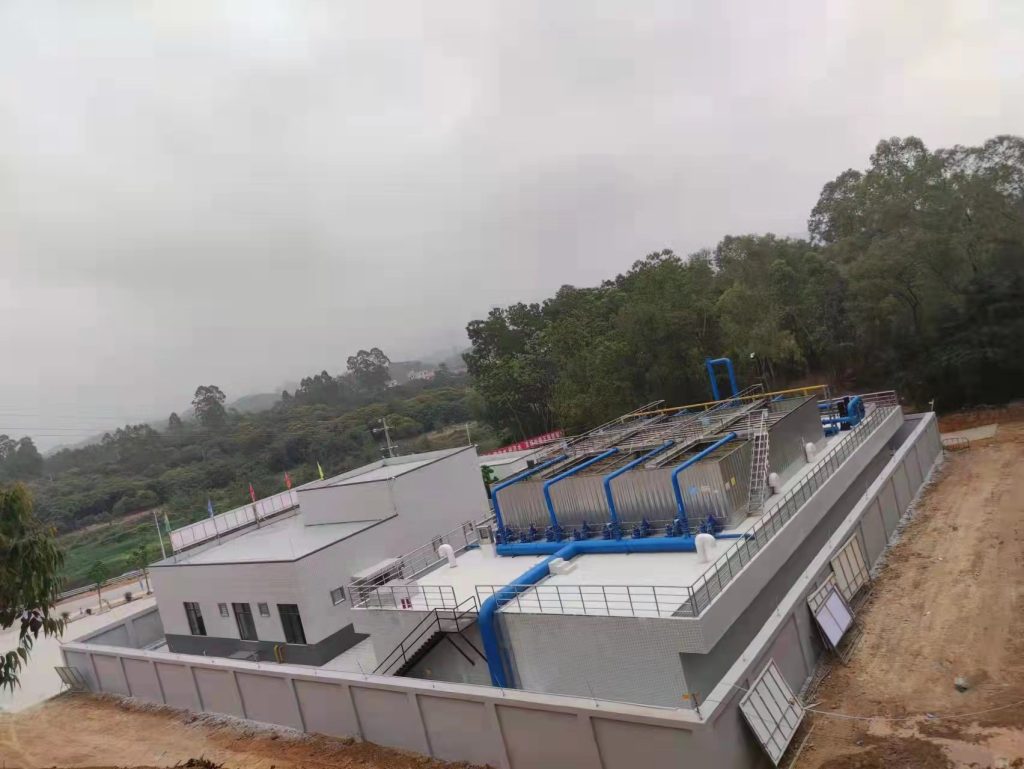
Improve incoming water quality
preprocessing
Removal of suspended solids and colloids: Use pretreatment methods such as sand filtration, activated carbon filtration, and microfiltration to remove suspended solids and colloids in the incoming water. For example, sand filtration can remove larger particles of sediment and other impurities in the water, activated carbon filtration can adsorb organic matter and some colloids, and microfiltration can further remove tiny particles and colloids. This helps reduce membrane fouling and maintain membrane flux, thereby increasing water production.
Reduce hardness and scaling substances: If the incoming water hardness is high, softening treatment can be used, such as ion exchange resin softening or lime-soda softening method. Removing calcium, magnesium and other ions in the water can prevent scaling on the membrane surface, because scaling will block the membrane pores and reduce the water production of the membrane. For example, when treating groundwater, the water production of the reverse osmosis membrane can be effectively increased by removing calcium and magnesium ions from the water through ion exchange resin.
Control organic matter and microorganisms: Use coagulation, ozone oxidation, ultraviolet disinfection and other methods to control the content of organic matter and microorganisms in the incoming water. The adsorption and growth of organic matter and microorganisms on the membrane surface will form a fouling layer, hindering the penetration of water. For example, in drinking water treatment, ozone oxidation can decompose some organic matter, and ultraviolet disinfection can kill microorganisms, reduce membrane fouling, and increase water production.
Avoid membrane fouling
Clean the membrane regularly, including physical cleaning (such as backwash, gas scrubbing, etc.) and chemical cleaning (select appropriate cleaning agents according to the type of membrane pollution, such as sodium hydroxide to clean organic pollution, citric acid to clean inorganic scale, etc.). Remove contaminants on the membrane surface in a timely manner and restore membrane flux, thereby increasing water production. For example, for ultrafiltration membranes, backwashing once a week and chemical cleaning once a month can effectively maintain the water production of the membrane.
Optimize operating conditions
Adjust operating pressure
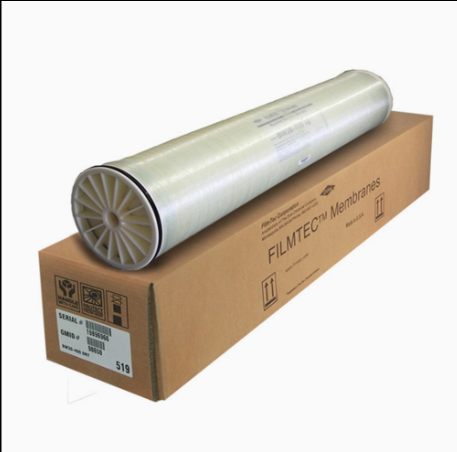
Operating pressure is one of the key factors affecting membrane water production. For most membrane separation processes (such as reverse osmosis, ultrafiltration, etc.), increasing operating pressure can increase water production. For example, in a reverse osmosis membrane system, the operating pressure can be appropriately increased according to the type of membrane and the quality of the incoming water. Generally speaking, increasing the operating pressure of the low-pressure reverse osmosis membrane from 1MPa to 1.5MPa (within the tolerance range of the membrane) can significantly increase the water production. However, care should be taken to avoid excessive pressure to avoid compaction or damage to the membrane. At the same time, energy consumption costs should also be considered.
control temperature
Temperature has a great influence on membrane water production. Within the temperature range allowed by the membrane material, increasing the temperature will usually increase the water production. This is because rising temperatures reduce the viscosity of water, making it easier for water to pass through the membrane. For example, for some reverse osmosis membranes, water production may increase by 15% – 20% when the inlet water temperature is increased from 20°C to 30°C. Heating or heat exchange equipment can be used to adjust the inlet water temperature, but be aware that high temperatures may have an impact on the stability and service life of the membrane.
Optimize water inlet flow
Appropriate water inlet flow rate helps to increase the water production of the membrane. If the inlet water flow rate is too low, it will easily lead to concentration polarization and reduce the effective flux of the membrane. Increasing the inlet water flow can reduce concentration polarization and increase water production. For example, in an ultrafiltration membrane system, increasing the inlet flow rate from 5m³/h to 8m³/h (within the design range of the equipment and membrane modules) may increase the water production rate. However, the inlet water flow rate cannot be too high, otherwise it will increase energy consumption and pressure on the membrane module.
Optimization of membrane modules
Choose the appropriate membrane module type
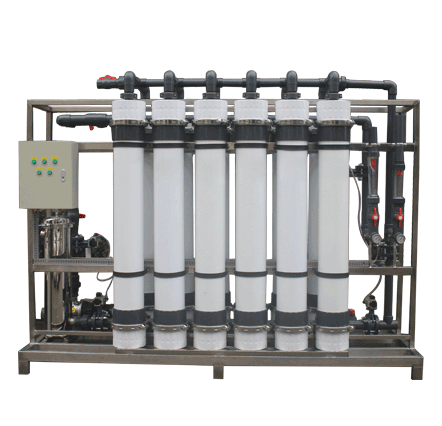
Different types of membrane modules (such as roll type, hollow fiber type, plate type, etc.) have different structural characteristics and performance. For example, rolled membrane modules have a higher membrane packing density and can provide higher water production under suitable operating conditions. When treating large-scale industrial or municipal water supplies, rolled membrane modules may be a better choice.
Increase the effective area of membrane modules
In membrane system design, the effective area of the membrane can be increased by increasing the number of membrane modules or using larger-sized membrane modules. For example, in a reverse osmosis desalination system, increasing the number of parallel membrane modules can increase the total water production. At the same time, some new membrane module designs adopt a more compact and efficient structure, which can provide a larger membrane area under the same volume, thereby increasing water production.
Membrane materials and technology improvements
Develop new membrane materials
The development of new membrane materials can improve membrane performance, including water production. For example, some polymer membrane materials with special structures or functionalization are more hydrophilic and have a more reasonable membrane pore structure, and can achieve higher water production at lower pressures.
Membrane surface modification
Modification of the membrane surface, such as using plasma treatment, graft polymerization and other technologies, can improve the surface properties of the membrane. For example, by grafting hydrophilic monomers, the hydrophilicity of the membrane surface can be increased, the water permeation resistance can be reduced, and the water production rate can be increased.