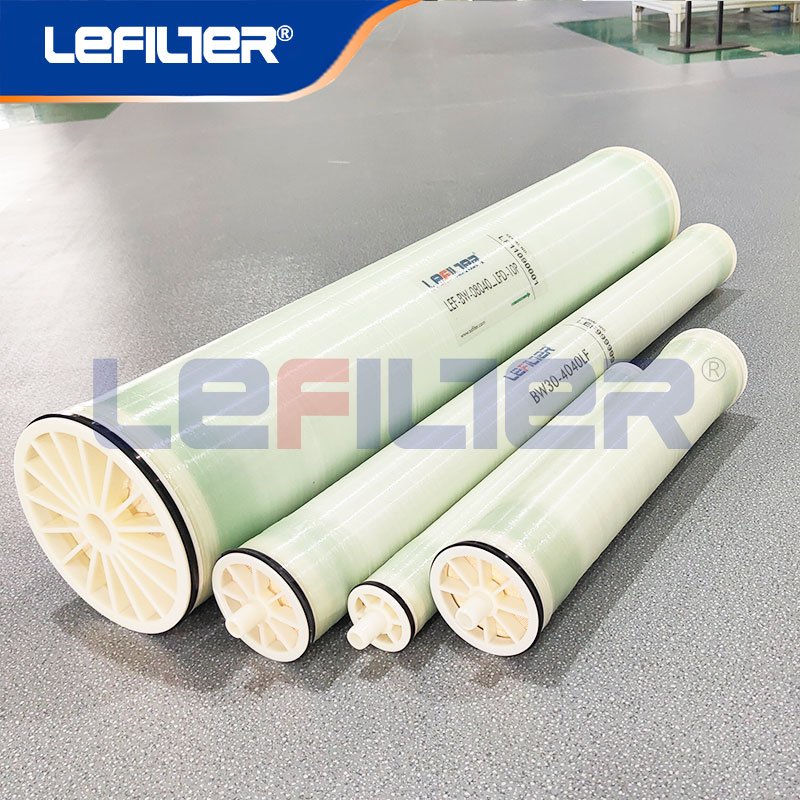
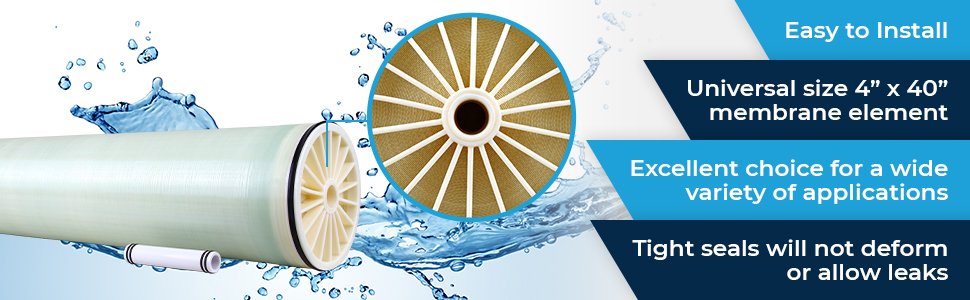
Here is a detailed overview of the Hydranautics ESPA2-8040 reverse osmosis (RO) membrane, synthesized from the search results:
Key Features
- Ultra-Low Operating Pressure:
- Operates at 1.0 MPa (150 psi) during testing, approximately 2/3 the pressure of conventional low-pressure RO membranes, reducing energy consumption significantly.
- High water flux (39.7 m³/day) and 99.5% salt rejection, ideal for low-to-medium salinity water sources (≤2000 ppm TDS).
- Material and Design:
- Polyamide composite membrane with a 400 ft² (37 m²) active surface area.
- Enhanced anti-fouling properties and resistance to pH fluctuations (operational pH range: 3–10).
- Environmental Adaptability:
- Suitable for water temperatures between 5–45°C and feeds with SDI ≤5 and residual chlorine <0.1 ppm.
Technical Specifications
| Parameter | Value | |
|---|---|---|
| Salt Rejection | 99.5% | |
| Water Flux | 10,500 GPD (39.7 m³/day) | |
| Operating Pressure | ≤4.14 MPa (600 psi) | |
| Recovery Rate | 15% per element | |
| Max Feed Flow | 17 m³/h (75 gpm) | |
| Pressure Drop | ≤0.07 MPa (10 psi) per element |
Applications
- Drinking Water Production: Purifies municipal water, groundwater, or surface water for potable use.
- Industrial Processes: Used in boiler feedwater, pharmaceuticals, food/beverage production, and electronics (ultrapure water).
- Wastewater Reuse: Treats industrial effluents for recycling.
- Brackish Water Desalination: Effective for low-salinity seawater or brackish sources.
Installation and Maintenance Guidelines
- Pre-Treatment Requirements:
- Pre-filter feed water to SDI ≤5 and remove chlorine to avoid membrane oxidation.
- Use 5–45°C water to prevent thermal damage.
- Startup Protocol:
- Gradually increase pressure (≥60 seconds) to avoid hydraulic shock.
- Perform a 2-hour low-pressure flush post-installation to remove preservatives.
- Cleaning and Storage:
- Clean with pH 3–10 solutions (e.g., NaOH for organics, HCl for scaling) .
- Store membranes in 1% sodium bisulfite if idle >5 days to prevent microbial growth.
Common Issues and Troubleshooting
- Reduced Flux: Caused by fouling, scaling, or improper pre-treatment. Check SDI, adjust chemical dosing, and clean regularly.
- Pressure Drop Increase: Indicates clogged feed channels. Inspect pre-filters and perform physical/chemical cleaning.
- Biofilm Growth: Ensure proper shutdown procedures (e.g., flushing with preservatives) in warm environments.