Introduction
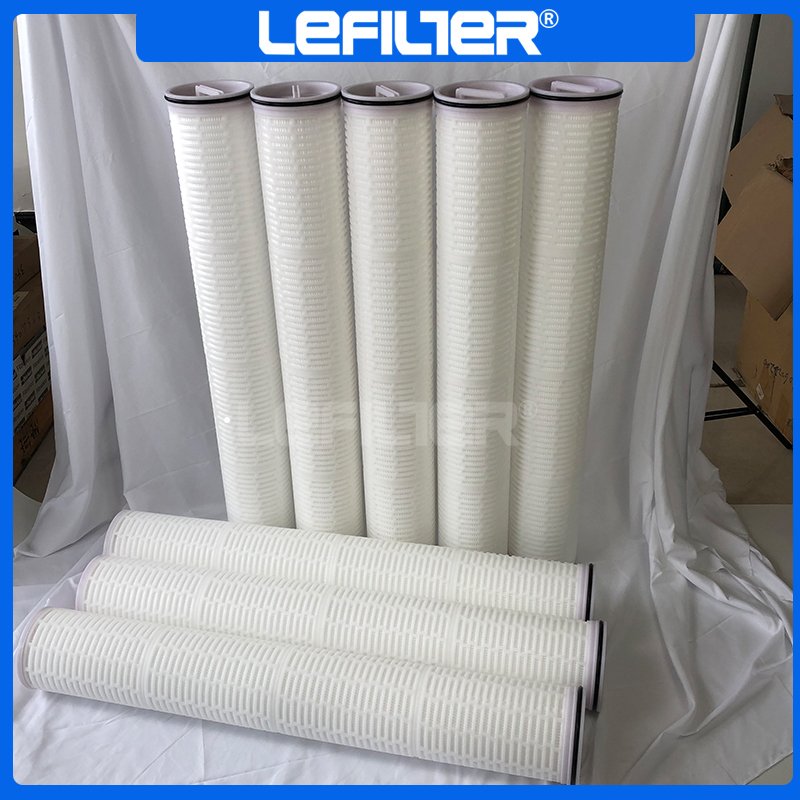
As a leader in fluid handling and filtration technology, Parker’s high-flow filters have earned worldwide recognition and trust for their innovative capabilities and dedication to quality. One of Parker’s high-flow filters is one of its star products, delivering outstanding performance and reliable quality to meet the demanding needs of a wide range of industries. Whether it’s in a complex process in industrial production or in a critical part of a municipal water supply, Parker’s high-flow filters play an integral role. To help you better understand this product, we have compiled some frequently asked questions and answers, hoping to provide you with valuable references.
Industrial Applications
- Power Generation: In power plants, whether they are coal – fired, gas – fired, or nuclear, maintaining clean cooling water is crucial.Replacement of Parker High – flow Filters are employed to remove impurities from the cooling water systems. This prevents the formation of scale, corrosion, and the accumulation of debris that could otherwise damage critical components like turbines and heat exchanges. For example, in a large – scale coal – fired power plant, these filters ensure that the cooling water circulates smoothly, maximizing the efficiency of the power – generation process.
- Chemical Processing: Chemical plants deal with a wide range of fluids, many of which are corrosive or contain suspended solids. Replacement The high – flow filters are used to purify fluids, recycle process fluids, and protect downstream equipment. In a petrochemical refinery, they filter crude oil before it enters the refining process, removing contaminants that could affect the quality of the refined products such as gasoline, diesel, and lubricants.
Municipal Applications
- Water Treatment: Municipal water treatment plants are responsible for providing clean and safe drinking water to the public.Replacement of Parker High – flow Filters are an essential part of these plants. They are used to filter raw water from sources like rivers, lakes, or groundwater. By removing sediment, organic matter, bacteria, and viruses, these filters play a vital role in ensuring that the treated water meets the stringent quality standards set for domestic use.
- Wastewater Treatment: In wastewater treatment facilities,Replacement of the high – flow filters help in the separation of solids from the wastewater stream. This is a crucial step in the treatment process, as it reduces the load on subsequent treatment processes and helps in the recycling and safe disposal of treated water.replacement of
Advantages of Parker High – flow Filters
High Filtration Efficiency
Parker High – flow Filters can remove particles as small as [particle size] from the fluid stream. This high – level of filtration efficiency ensures that the filtered fluid is free from contaminants, whether it is air, water, or industrial fluids. In applications like semiconductor manufacturing, where even the tiniest particle can cause defects in the production process, these filters provide the necessary purity.
Excellent Flow – through Capacity
As the name suggests, these filters are designed to handle large volumes of fluid per unit time. This high – flow – through capacity makes them ideal for applications where a continuous and high – volume flow is required. In industrial processes, this not only ensures the smooth operation of the production line but also reduces the need for multiple filter units, thus saving space and cost.
Long – lasting Performance
Constructed with high – quality materials, these filters have a long service life. The robust structure and durable filter media can withstand harsh operating conditions, including high pressure, temperature variations, and chemical exposure. This means fewer replacements over time, reducing both maintenance costs and downtime in industrial operations.
Working Principle of Parker High – flow Filters
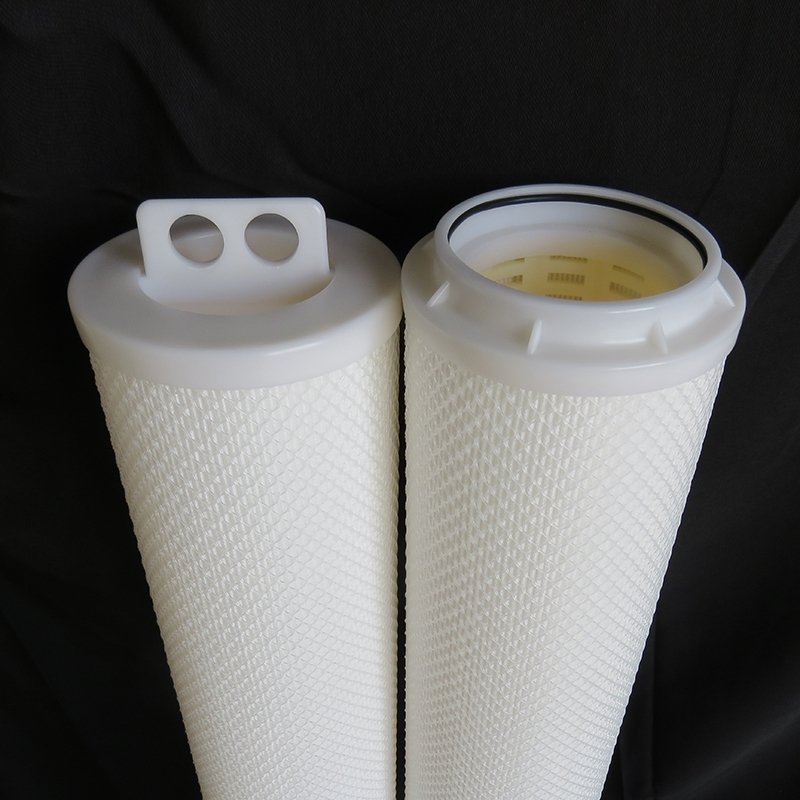
The working principle of Parker High – flow Filters is based on the physical separation of contaminants from the fluid stream. The filter media, which is usually made of a porous material, traps particles as the fluid passes through. The unique pleat design of the filter media maximizes the surface area available for filtration. When the fluid enters the filter, the contaminants are caught on the surface of the filter media or within its pores. Larger particles are trapped first, while smaller particles are captured as the fluid continues to flow through the filter. This process allows for the effective removal of a wide range of contaminants, from large debris to microscopic particles.
Working Principle of the replacement of Parker High – flow Filters
The working principle of Parker High – flow Filters is based on the physical separation of contaminants from the fluid stream. The filter media, which is usually made of a porous material, traps particles as the fluid passes through. The unique pleat design of the filter media maximizes the surface area available for filtration. When the fluid enters the filter, the contaminants are caught on the surface of the filter media or within its pores. Larger particles are trapped first, while smaller particles are captured as the fluid continues to flow through the filter. This process allows for the effective removal of a wide range of contaminants, from large debris to microscopic particles.
Installation of Parker High – flow Filters
Preparation
Before installation, it is essential to ensure that the installation site is clean and free from any debris. The necessary tools, such as wrenches, gaskets, and sealants, should be prepared. The operator should also carefully read the installation manual provided by Parker to understand the specific requirements for the filter model.
Installation Process
- Mounting the Filter Housing: The filter housing is first mounted in the designated location. This may involve bolting it to a support structure or connecting it to the existing pipeline system. The connections should be made according to the manufacturer’s specifications to ensure a leak – free installation.
- Inserting the Filter Element: Once the housing is in place, the filter element is carefully inserted into the housing. It is important to ensure that the filter element is properly aligned and seated. Some filter models may require the use of a special tool for insertion to ensure a tight fit.
- Final Checks: After inserting the filter element, the housing is closed, and all connections are double – checked for tightness. A preliminary test run may be conducted to ensure that the filter is functioning properly and that there are no leaks.
Conclusion
The replacement of Parker High – flow Filters are a versatile and efficient solution for a wide range of filtration needs. Their diverse applications, numerous advantages, unique working principle, and straightforward installation process make them a top choice for industries and municipalities alike. As technology advances, Parker is likely to continue innovating and improving these filters, further enhancing their performance and reliability in the ever – evolving field of fluid management.
FAQ
Q1. How does the replacement of Parker High – flow Filter compare to traditional filters in terms of flow capacity?
A: The replacement of Parker High – flow Filter can handle up to [X] times more flow volume than traditional filters with a simple flat – sheet design. Its unique pleat design maximizes the surface area, enabling it to maintain a high flow rate while effectively filtering contaminants. This makes it a far superior choice for high – flow applications.
Q2. Can the replacement of Parker High – flow Filter be used in harsh chemical environments?
A: Yes, the outer shell of the replacement of Parker High – flow Filter is made of high – quality materials, usually a strong plastic or a corrosion – resistant metal alloy. This robust construction allows it to withstand chemical exposure, making it suitable for use in chemical processing plants and other harsh chemical environments.
Q3. What is the lifespan of the replacement of Parker High – flow Filter?
A: The lifespan depends on various factors such as the operating conditions and the nature of the fluid being filtered. However, due to its high – quality construction and durable filter media, it generally has a long service life, reducing the frequency of replacements. In normal industrial applications, it can last for [estimated time period] under proper maintenance.
Q4. Is the replacement of Parker High – flow Filter suitable for small – scale water treatment plants?
A: Absolutely. While it is highly effective in large – scale industrial and municipal applications, the Parker High – flow Filter can also be scaled down for small – scale water treatment plants. Its high – filtration efficiency and flow – through capacity make it a reliable choice for purifying water in these settings as well.
Q5. How does the replacement of Parker provide after – sales support for the High – flow Filter?
A: Parker offers comprehensive maintenance guidelines and after – sales support. Our technical team is available to provide advice on installation, maintenance, and troubleshooting. In case of any issues, we ensure prompt replacement of defective parts or offer on – site support as needed.
Q6. Can the Parker High – flow Filter be customized for specific applications?
A: Yes, Parker can customize the High – flow Filter according to specific requirements. Whether it’s adjusting the filter media for a particular type of contaminant or modifying the size and shape to fit unique equipment, we have the capabilities to meet diverse application needs.