The RO Filtration System, short for Reverse Osmosis Filtration System, is a cornerstone of modern – day water purification. With increasing concerns about water quality, this system has emerged as a reliable solution for both residential and industrial needs.
Introduction
The RO Filtration System operates on a sophisticated yet straightforward principle. It utilizes a semi – permeable reverse osmosis membrane. When water is forced through this membrane under pressure, it allows only water molecules to pass while blocking a wide range of contaminants. These contaminants include dissolved salts, heavy metals like lead and mercury, bacteria, viruses, and various organic compounds. This selective separation process is what makes the RO Filtration System highly effective in producing purified water.
Advantages
Superior Purification Capability
One of the most notable advantages of the RO Filtration System is its outstanding purification power. It can remove up to 99% of dissolved solids from water. For example, in regions where water sources are prone to high levels of fluoride or arsenic, the RO system can significantly reduce these harmful substances. As a result, the water becomes safe for drinking and other applications, safeguarding the health of consumers. Moreover, it also eliminates unpleasant tastes and odors often associated with contaminated water, enhancing the overall quality of the water we use.
Long – term Cost – effectiveness
Despite an initial investment, the RO Filtration System proves to be cost – effective in the long run. The reverse osmosis membranes typically have a relatively long lifespan, often lasting several years with proper maintenance. Regular maintenance mainly involves periodic flushing and occasional membrane replacement. Compared to continuously buying bottled water or using less efficient water purification methods, the RO system can save a significant amount of money over time. Additionally, it reduces plastic waste generated from bottled water, contributing to a cleaner environment.
Customizable and Space – efficient
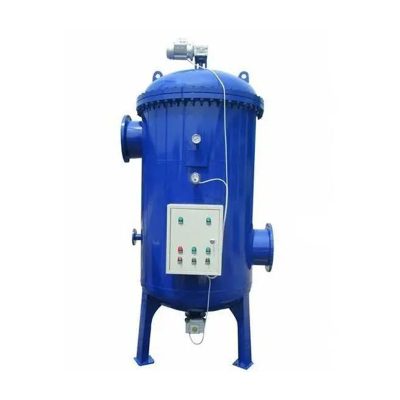
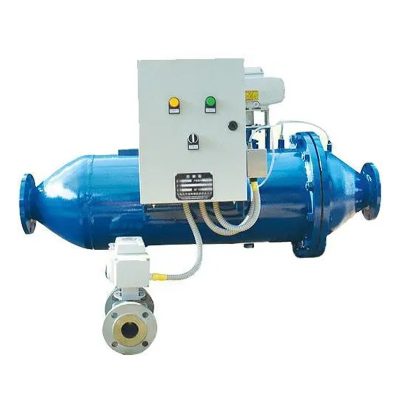
The RO Filtration System comes in various configurations, making it highly customizable. For residential use, there are compact under – sink models that can easily fit into any kitchen. These units provide a convenient source of purified water for daily consumption. In industrial settings, larger and more complex RO systems can be designed and integrated into existing water treatment processes. Whether it’s a small – scale factory or a large – scale manufacturing plant, the RO system can be tailored to meet specific water purification requirements.
Application Areas
Residential Applications
Drinking Water Supply
In homes, the RO Filtration System is commonly used to purify drinking water. Tap water may contain a variety of impurities that can be harmful in the long term. By installing an RO system, families can have access to clean, great – tasting water right from their faucets. It’s perfect for making coffee, tea, and baby formula, ensuring that these beverages are free from contaminants.
General Household Use
Besides drinking, RO – purified water is also beneficial for other household tasks. Using it for cooking can enhance the flavor of food as it doesn’t introduce unwanted tastes from impurities. It also helps in protecting household appliances such as dishwashers and washing machines. The absence of minerals and contaminants in RO water reduces the build – up of scale, extending the lifespan of these appliances.
Industrial Applications
Pharmaceutical Industry
In the pharmaceutical sector, the quality of water is of utmost importance. RO Filtration Systems are employed to produce water that meets the strictest standards for drug manufacturing. The purified water is used in processes like ingredient mixing, tablet coating, and laboratory testing. Any contaminants in the water could potentially compromise the safety and efficacy of pharmaceutical products, so the RO system plays a crucial role in ensuring product quality.
Cosmetics Industry
The cosmetics industry also relies on RO – purified water. Water is a common ingredient in many cosmetic products such as lotions, creams, and shampoos. By using RO – treated water, manufacturers can ensure that their products are free from impurities that could cause skin irritations or affect the product’s stability. This helps in maintaining the quality and reputation of cosmetic brands.
Food and Beverage Industry
In food and beverage production, RO Filtration Systems are used to purify water used in various processes. For example, in brewing, the quality of water can significantly impact the taste of beer. RO – purified water helps in achieving a consistent flavor profile. In the production of bottled water and soft drinks, it ensures that the final products are free from contaminants and meet strict quality standards.
Conclusion
In summary, the RO Filtration System is a game – changing technology in water purification. Its ability to provide high – quality purified water, along with its cost – effectiveness and wide – ranging applications, makes it an invaluable asset. As we continue to strive for better water quality in all aspects of life, the RO Filtration System will undoubtedly remain a key component in our efforts to access clean and safe water.