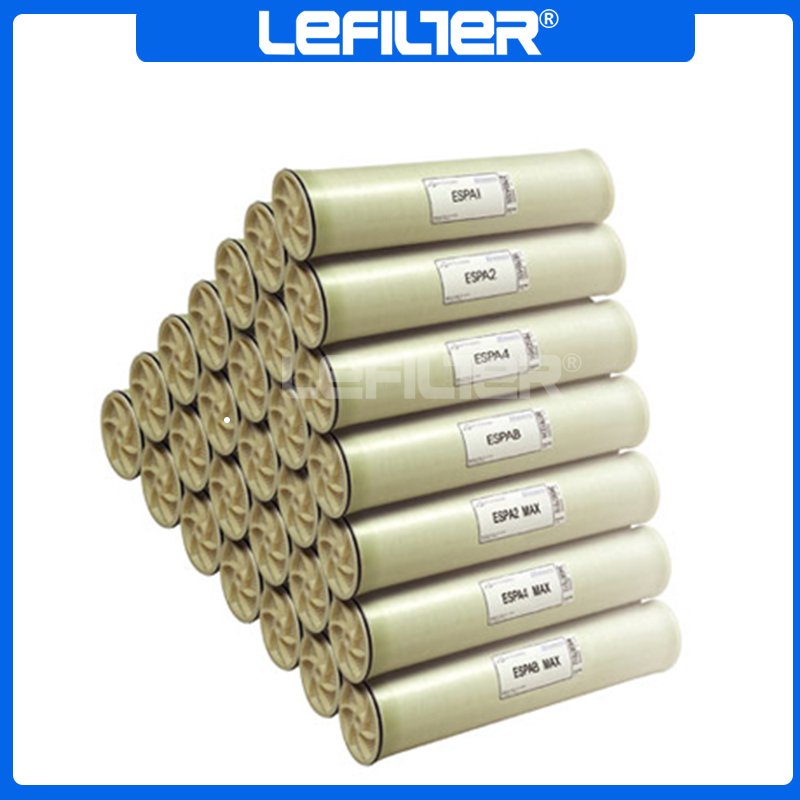
Reverse Osmosis Membrane SFP-2880 In Textile Industry

Introduction

Reverse Osmosis Membrane is a revolutionary component at the heart of advanced water purification systems. Engineered with cutting – edge technology, these membranes have transformed the way industries and communities obtain clean and pure water. In a world where the demand for high – quality water sources is skyrocketing, understanding the capabilities, features, and diverse applications of reverse osmosis membranes is of utmost importance. They are the key to unlocking a new era of water treatment, capable of turning even the most contaminated water into a valuable resource that meets the strictest quality standards across a wide range of sectors.
Reverse Osmosis Membrane Model TMH20A-400C Applied In Textile Industry

Principle of Reverse Osmosis Membrane

Reverse osmosis membranes work on a fascinating principle, defying water’s natural flow. In natural osmosis, water molecules move from areas of low solute concentration to high through a semi – permeable membrane. But reverse osmosis flips this. We apply external pressure, greater than the osmotic pressure, to the more concentrated solution side (the feed water). This forces water molecules to move in the opposite direction. They pass through the semi – permeable reverse osmosis membrane, leaving dissolved salts, heavy metals, bacteria, viruses, and other impurities behind. The membrane serves as a highly selective barrier. Its pores are so tiny that only water molecules and some of the smallest ions can pass through. This precise separation mechanism makes reverse osmosis membranes highly effective at purifying water, allowing us to produce water with extremely low levels of contaminants.

Key Features

Exceptional Filtration Efficiency

Reverse osmosis membranes stand out for their amazing filtration efficiency. They can eliminate up to 99% of dissolved solids. This includes harmful substances like lead, mercury, and nitrates. Such high – level purification ensures top – quality water output. The water is so pure that it suits even the most sensitive applications. Take the pharmaceuticals and electronics industries. In these fields, a single impurity can spell disaster. Reverse osmosis membranes provide the ultra – pure water needed. For instance, in pharmaceutical manufacturing, using water purified by these membranes helps ensure the safety and effectiveness of medications. Contaminants in the water could easily affect the final product.

Durability and Long – Lasting Performance


Manufacturers design reverse osmosis membranes to be durable and offer long – lasting performance. They use high – quality materials, allowing the membranes to endure continuous use in various environments. These membranes can resist chemical corrosion, mechanical stress, and biological fouling to a large degree. Their durability means once installed, they can work efficiently for a long time. This reduces the need for frequent replacements and maintenance. In large – scale industrial plants, the long lifespan of these membranes cuts costs. Companies don’t have to spend time and money on frequent membrane replacements.

Versatility in Design


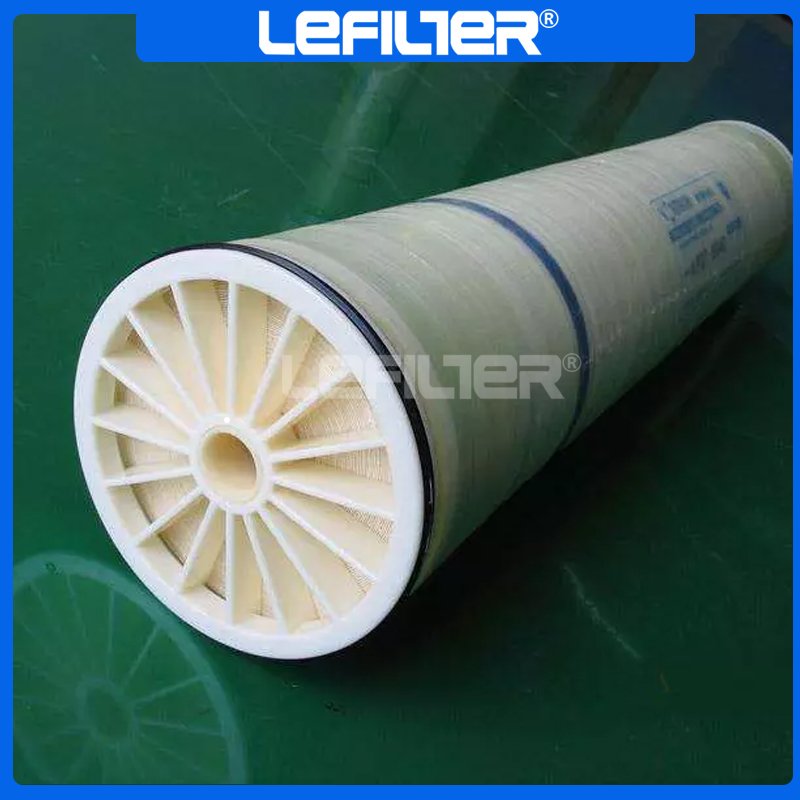
Reverse osmosis membranes come in different designs for various applications. Spiral – wound membranes are popular in residential and small – scale industrial systems because they’re compact. These membranes wind around a central tube, with a feed spacer and a permeate spacer to help water flow. Hollow – fiber membranes, on the other hand, are preferred in large – scale water treatment plants. They have a high surface – area – to – volume ratio. Composed of thousands of tiny hollow fibers, each fiber acts like a mini – membrane. This design enables greater water throughput, making it perfect for applications needing to treat large volumes of water, such as in municipal water treatment facilities.
 
Reverse Osmosis Membrane BW30XFR-400/34 In Textile Industry

Application Areas

Drinking Water Purification

Reverse osmosis membranes are crucial for safe and great – tasting drinking water in households and public water supply systems. In large – scale municipal plants, they’re part of multi – stage treatment. These membranes remove unpleasant odors, tastes, and harmful contaminants from tap water. This makes the water healthier and more palatable. Many communities, especially those with contaminated water sources or high dissolved solids, rely on reverse osmosis – treated water to meet the growing need for clean drinking water.

Pharmaceutical and Medical Industries


The pharmaceutical and medical fields need water of the highest purity, and reverse osmosis membranes are essential. In pharmaceutical manufacturing, we use reverse osmosis – purified water to make drugs, medical devices, and clean equipment. Water purity is crucial as contaminants can affect medication quality and safety. In hospitals, these membranes produce water for sterilization, hemodialysis, and other medical procedures. Using reverse osmosis membranes ensures the water for these critical applications is free from contaminants that could harm patients.

Industrial Applications


Industries like electronics, power generation, and food and beverage depend a lot on reverse osmosis membranes. In electronics, we use them to make ultra – pure water for manufacturing semiconductors, printed circuit boards, and other sensitive components. Even a tiny bit of impurity in water can cause defects, so high – purity water from these membranes is vital. In power generation, reverse osmosis – treated water is for boiler feed. Impurities in water can cause scaling and corrosion in boilers, lowering efficiency and lifespan. In the food and beverage industry, reverse osmosis membranes purify water for production, ensuring products are free from contaminants and meet strict quality standards.

Maintenance and Care


To ensure reverse osmosis membranes perform at their best, regular maintenance is a must. Periodically clean the membranes to get rid of accumulated contaminants. These contaminants can reduce the membrane’s efficiency over time. We often use chemical cleaning agents to tackle organic and inorganic fouling.


Pretreating the feed water is also key. Install filters upstream to remove large particles, sediment, and chlorine before the water reaches the reverse osmosis membrane. This simple step can greatly extend the membrane’s lifespan.


Monitoring the system’s pressure and flow rates is crucial. By doing so, we can spot early signs of membrane fouling or degradation. In large – scale industrial setups, companies typically have dedicated maintenance teams. Their job is to keep the reverse osmosis membranes well – maintained and operating at peak efficiency.

Conclusion


Reverse osmosis membranes are a technological wonder. They’ve revolutionized our access to clean and pure water. Their unique working principle, paired with features like high – efficiency filtration, durability, and versatile design, makes them essential across diverse applications.


As technology progresses, we can anticipate even more efficient and cost – effective reverse osmosis membranes. These advancements will further boost our water treatment capabilities, contributing to a cleaner and healthier planet.
Related products
 
Scroll to Top