introduction
Reverse osmosis membranes is a groundbreaking technology that has redefined the boundaries of water purification. This innovative solution has become an integral part of our efforts to obtain clean and pure water, spanning from industrial complexes to individual households, and even in the most critical sectors like medical and pharmaceutical manufacturing. As the global population grows and the demand for high – quality water sources escalates, grasping the significance, operational mechanisms, and adaptability of reverse osmosis membranes has never been more crucial. These membranes are the driving force behind our transformation of contaminated water into a valuable resource suitable for diverse applications, making them a fundamental element in our journey towards a sustainable and healthier future.
Principle of Reverse Osmosis Membranes
Reverse osmosis membranes operate on a principle that defies the natural flow of water. In the natural osmosis process, water molecules move across a semi – permeable membrane from an area of low solute concentration to an area of high solute concentration. However, reverse osmosis flips this concept on its head. When external pressure, greater than the osmotic pressure, is applied to the side with the more concentrated solution (the feed water), water molecules are forced to move in the opposite direction. They pass through the semi – permeable membrane, leaving behind dissolved salts, heavy metals, bacteria, viruses, and other impurities. This selective passage of water molecules is what makes reverse osmosis membranes so effective in purifying water. The membrane acts as a fine – tuned barrier, allowing only the smallest, purest water molecules to pass through while retaining even the tiniest contaminants.
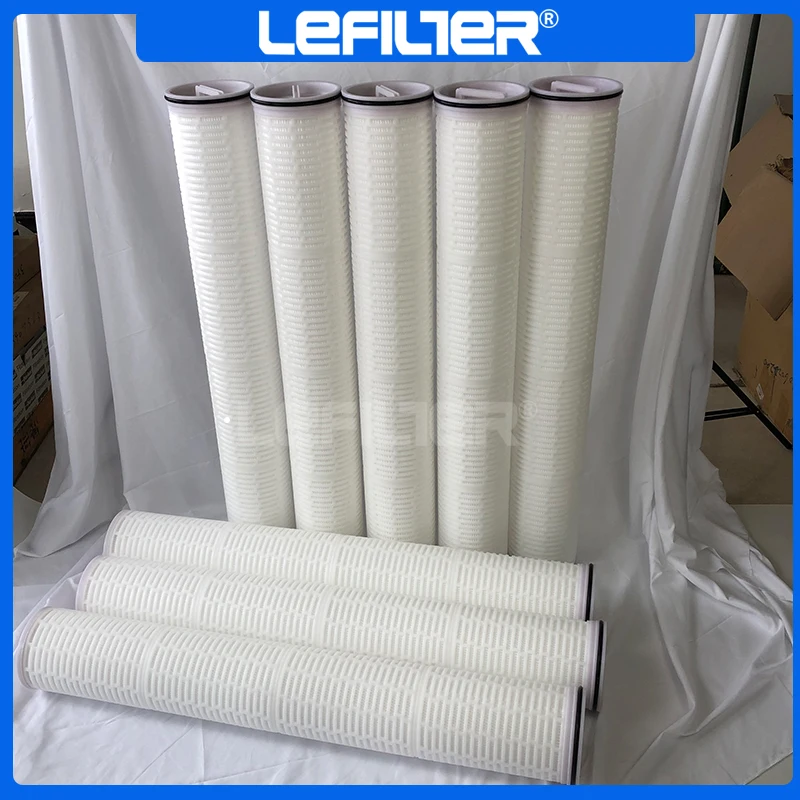
Key Features
Exceptional Filtration Efficiency
Reverse osmosis membranes are renowned for their outstanding filtration capabilities. They can remove up to 99% of dissolved solids, including harmful substances such as lead, mercury, and nitrates. This high – level of purification ensures that the water produced is of the utmost quality, suitable for even the most sensitive applications. For example, in the electronics industry, where a single impurity can cause malfunctions in delicate components, reverse osmosis membranes provide the ultra – pure water required.
Durability and Long – Lasting Performance
These membranes are engineered to be durable. Made from high – quality materials, they can withstand the rigors of continuous use in different environments. They are resistant to chemical corrosion, mechanical stress, and biological fouling to a large extent. This durability means that once installed, reverse osmosis membranes can operate efficiently for an extended period, reducing the need for frequent replacements and maintenance. This not only saves costs but also ensures a consistent supply of clean water.
Versatility in Design
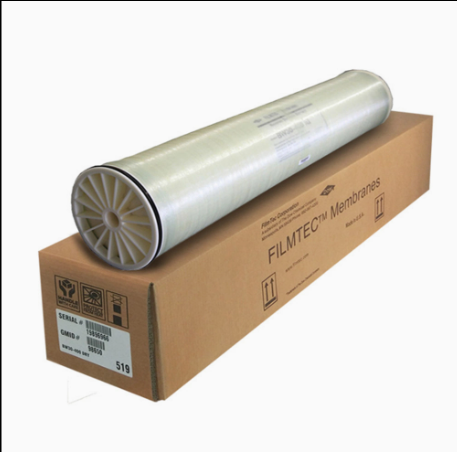
Reverse osmosis membranes come in various designs to suit different applications. There are spiral – wound membranes, which are commonly used in residential and small – scale industrial systems due to their compact nature. Hollow – fiber membranes, on the other hand, are favored in large – scale water treatment plants because of their high surface – area – to – volume ratio, which allows for greater water throughput. This versatility in design enables the adaptation of reverse osmosis systems to different water treatment needs, whether it’s a small household RO unit or a large – scale desalination plant.
Application Areas
Drinking Water Purification
In households and public water supply systems, reverse osmosis membranes are the go – to solution for ensuring safe and great – tasting drinking water. They eliminate unpleasant odors, tastes, and harmful contaminants from tap water. By removing chlorine, fluoride, and other impurities, they make the water healthier and more palatable. Many families install under – sink reverse osmosis units to provide clean water for cooking, drinking, and making beverages.
Pharmaceutical and Medical Industries
The pharmaceutical and medical fields demand water of the highest purity. Reverse osmosis membranes are used to produce water that meets the strict quality standards for manufacturing drugs, medical devices, and for use in hospital settings. In pharmaceutical manufacturing, the purity of water is crucial as any contamination can affect the efficacy and safety of medications. Similarly, in hospitals, pure water is required for sterilization processes and for use in hemodialysis machines.
Industrial Applications
Industries such as electronics, power generation, and food and beverage rely heavily on reverse osmosis membranes. In the electronics industry, as mentioned earlier, ultra – pure water is essential for manufacturing semiconductors and other sensitive components. Power plants use reverse osmosis – treated water for boiler feed, as impurities in water can cause scaling and corrosion in the boilers. In the food and beverage industry, reverse osmosis membranes are used to purify water for production, ensuring that the final products are free from contaminants and meet strict quality standards.
Industrial Applications
Industries such as electronics, power generation, and food and beverage rely heavily on reverse osmosis membranes. In the electronics industry, as mentioned earlier, ultra – pure water is essential for manufacturing semiconductors and other sensitive components. Power plants use reverse osmosis – treated water for boiler feed, as impurities in water can cause scaling and corrosion in the boilers. In the food and beverage industry, reverse osmosis membranes are used to purify water for production, ensuring that the final products are free from contaminants and meet strict quality standards.
Conclusion
Reverse osmosis membranes are a technological marvel that has significantly improved our ability to access clean and pure water. Their unique principle of operation, combined with exceptional features like high – efficiency filtration, durability, and design versatility, makes them indispensable in a wide range of applications. As technology advances, we can expect even more efficient and cost – effective reverse osmosis membranes, further enhancing our water treatment capabilities and contributing to a cleaner and healthier world.