introduction
Reverse Osmosis is a sophisticated and widely – utilized water treatment technology, and its single – stage variant, Single – stage Reverse Osmosis (Single – stage RO), has carved a niche for itself as a revolutionary force in the purification landscape. This innovative system has seen a surge in adoption across diverse industries and households alike, all thanks to its remarkable efficiency and unwavering reliability in purifying water. In a world where the demand for clean and safe water sources is escalating, comprehending the full capabilities and broad applications of Single – stage RO is of utmost importance. It holds the key to meeting the stringent water quality requirements in various sectors and ensuring a healthier living environment for everyone.
Principle of Single – stage Reverse Osmosis
At the heart of the Single – stage RO system is a semi – permeable membrane. The principle is based on reversing the natural osmosis process. In normal osmosis, water molecules move from an area of lower solute concentration to an area of higher solute concentration through a semi – permeable membrane. However, in Single – stage RO, external pressure is applied to the side with higher solute concentration (the feed water). This pressure forces water molecules to move through the semi – permeable membrane in the opposite direction, from the concentrated solution to the dilute solution. As a result, impurities, such as salts, heavy metals, bacteria, and viruses, are left behind on the feed side, while clean, purified water is collected on the permeate side.
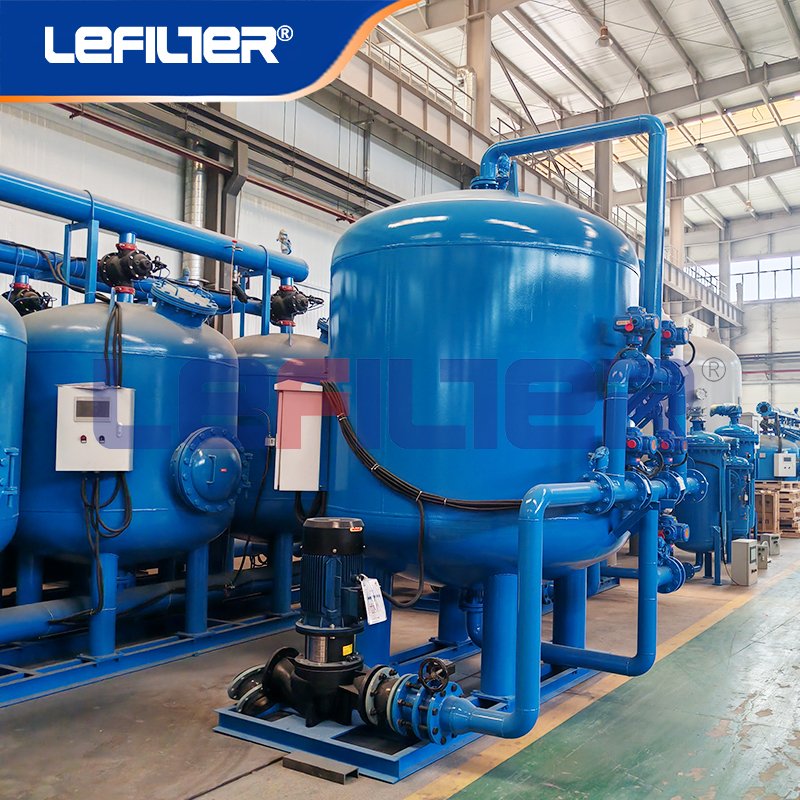
Key Features
High – Purity Water Production
Single – stage RO is capable of producing water with extremely high purity. It can remove up to 99% of dissolved solids, including harmful contaminants like lead, arsenic, and fluoride. This high – level purification makes it an ideal choice for applications where pure water is essential, such as in the pharmaceutical and electronics industries.
Energy – Efficient
Compared to some traditional water treatment methods, Single – stage RO is relatively energy – efficient. The system is designed to operate with optimized pressure levels, reducing the energy consumption required for water purification. This not only helps to cut down operational costs but also contributes to a more sustainable water treatment solution.
Compact and Space – Saving
Single – stage RO units are often compact in design, making them suitable for installation in various settings, including small industrial plants and residential homes. Their space – saving nature allows for easy integration into existing water supply systems without the need for extensive modifications.
Application Areas
Drinking Water Purification
In households and public water supply systems, Single – stage RO plays a vital role in ensuring safe and great – tasting drinking water. By removing impurities, it improves the quality of tap water, making it free from unpleasant odors, tastes, and harmful substances.
Pharmaceutical Industry
The pharmaceutical industry demands water of the highest purity for manufacturing drugs and medical products. Single – stage RO systems are used to produce water that meets the strict quality standards required in pharmaceutical production, ensuring the safety and effectiveness of medications.
Electronics Manufacturing
In the electronics industry, even the slightest trace of impurities in water can cause damage to sensitive electronic components. Single – stage RO is used to produce ultra – pure water for processes such as semiconductor manufacturing, where water quality is critical for the performance and reliability of electronic devices.

Working Process
The working process of a Single – stage RO system begins with the feed water entering the system. The water first passes through a pre – treatment stage, which typically includes filters to remove large particles, sediment, and chlorine. After pre – treatment, the water is pumped under pressure through the semi – permeable membrane. The purified water, or permeate, is then collected and stored for use, while the concentrated solution containing the removed impurities, known as the reject water, is discharged.
Conclusion
Single – stage Reverse Osmosis is a remarkable water treatment technology that offers numerous benefits in terms of water purity, energy efficiency, and space utilization. Its wide range of applications across different industries and in daily life makes it an indispensable part of our modern water treatment infrastructure. As technology continues to advance, we can expect even more improvements in Single – stage RO systems, further enhancing their performance and contribution to providing clean and safe water for all.