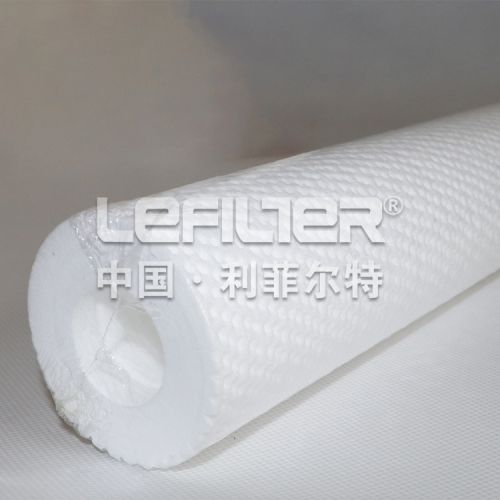
Building on the foundational strengths of polypropylene’s chemical resistance, thermal stability, and versatile manufacturing processes (melt-blown, spun-bonded, pleated), groundbreaking advancements in PP filter cartridge design. These innovations address critical industry challenges while maintaining compatibility with global standards.
1. Multi-Layer Gradient Structure for High Dirt-Holding Capacity
By adopting a multi-layer density gradient design, the filter can trap particles from coarse to fine across the entire depth of the media. This greatly enhances its filtration efficiency and extends service life compared to traditional single-layer filters.
2. Uniform Fiber Distribution via Precision Melt-Blown Technology
Advanced melt-blown techniques allow for more uniform fiber diameter control, ensuring consistent micron ratings and reducing the risk of channeling or bypass. This provides stable and reliable filtration performance, even under high flow conditions.
3. Enhanced Chemical
Improved polypropylene formulations now allow the filter to withstand aggressive chemicals, making it suitable for more challenging industrial water sources, including RO pre-filtration and acidic/alkaline process water.
4. Scalability for High-Flow Systems
Available in large-diameter and high-flow configurations, PP filter cartridges can now meet the needs of high flow water treatment systems, reducing the number of cartridges required and cutting equipment costs.
These breakthroughs empower industries to:
✅ Reduce operational costs through fewer replacements
✅ Ensure consistent water quality across processes
✅ Improve system uptime and reduce maintenance
✅ Meet stricter environmental and safety standards
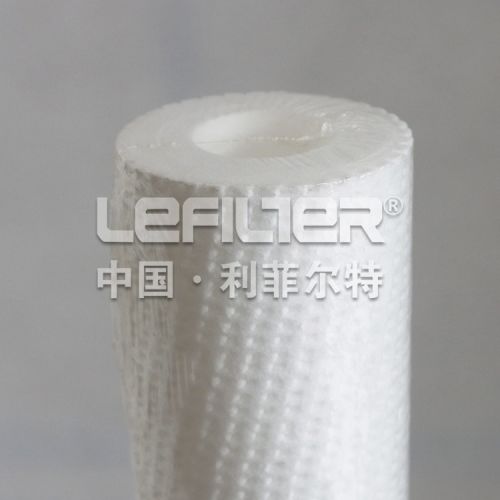
From power plants and petrochemical sites to semiconductor fabs and bottling plants, the next-generation PP filter cartridge is setting new standards in reliability and performance.
1. Polymer PP material
Polymer raw materials are used to develop polar capillary PP cotton filter material.
PP material has low temperature resistance, oil resistance to Characteristics
Polymer PP material is easy to shape in a very small capillary pore structure.
2. The flow rate increases
Through technological innovation, the polar capillary PP cotton filter element can achieve a flow rate of up to 80m / h.
More dense capillary filter hole structure, improve the use of the efficiency of the filter hole.
The filter part adopts a thin-walled design to reduce the resistance.
The new support structure simultaneously improves the flow rate and stability.
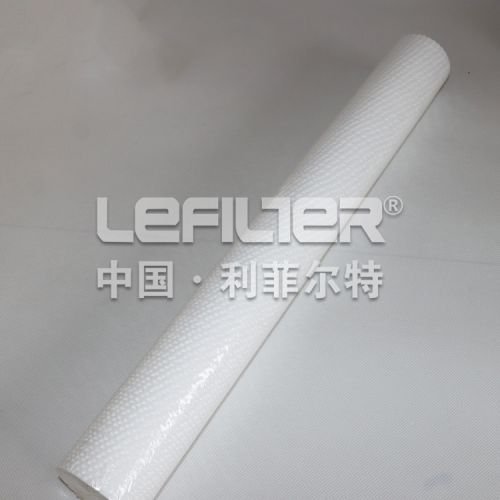
3. Rear-press filtration improves efficiency
Backpressure filtration technology is used to improve the efficiency of capillary PP cotton core.
The filter element applies a backpressure during filtration to improve the contact between the raw water and the filter material.
Effective use of the capillary filter hole and filter material surface function, improve the filter effect.
4. Level 3 filter
Combined capillary and microporous filtration to achieve three-stage efficient purification.
Capillary filtration to remove ultrafine particles.
Micropore filtration to remove fine particles.
Standard microporous filtration and finally lift the pure water.
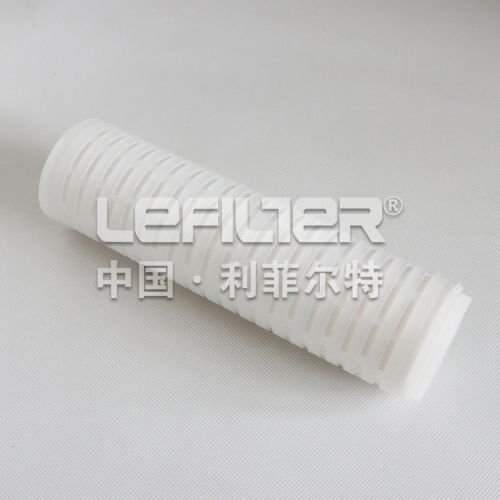
Contact us to learn more about how our advanced PP filter technology can benefit your operation. Custom specifications available upon request.
Related Products
Microporous Pleated Filter
PP Melt-Blown Filter
Wire-Wound Filter