Introduction
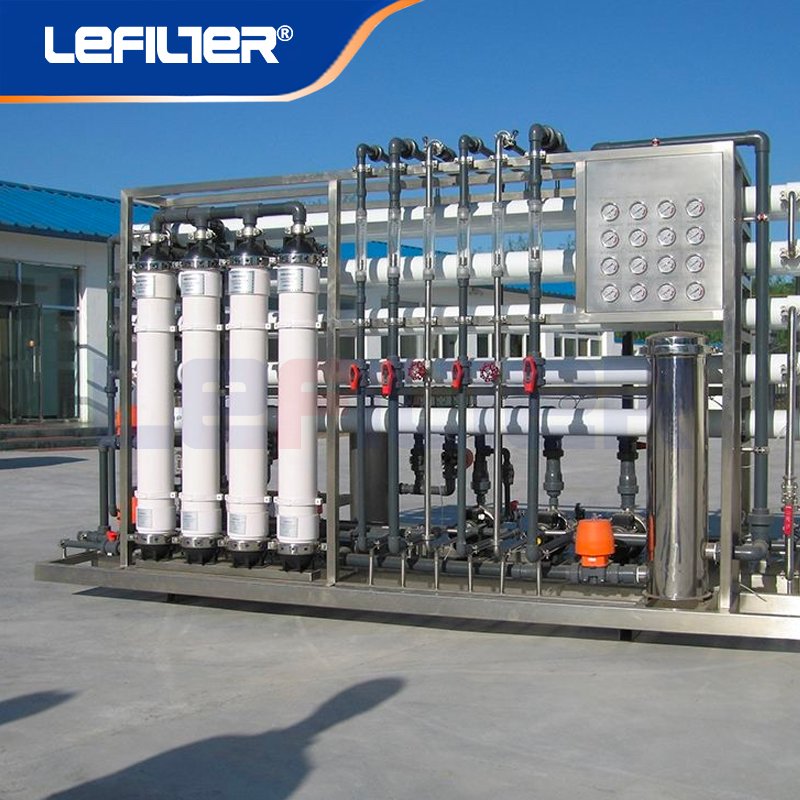
Ultrafiltration equipment has emerged as a highly effective and versatile solution in the world of filtration. It plays a pivotal role in various industries, from water treatment to pharmaceutical manufacturing. This equipment uses a unique filtration process to separate substances based on their molecular size, making it an essential tool for achieving high – purity results.
Working Principle
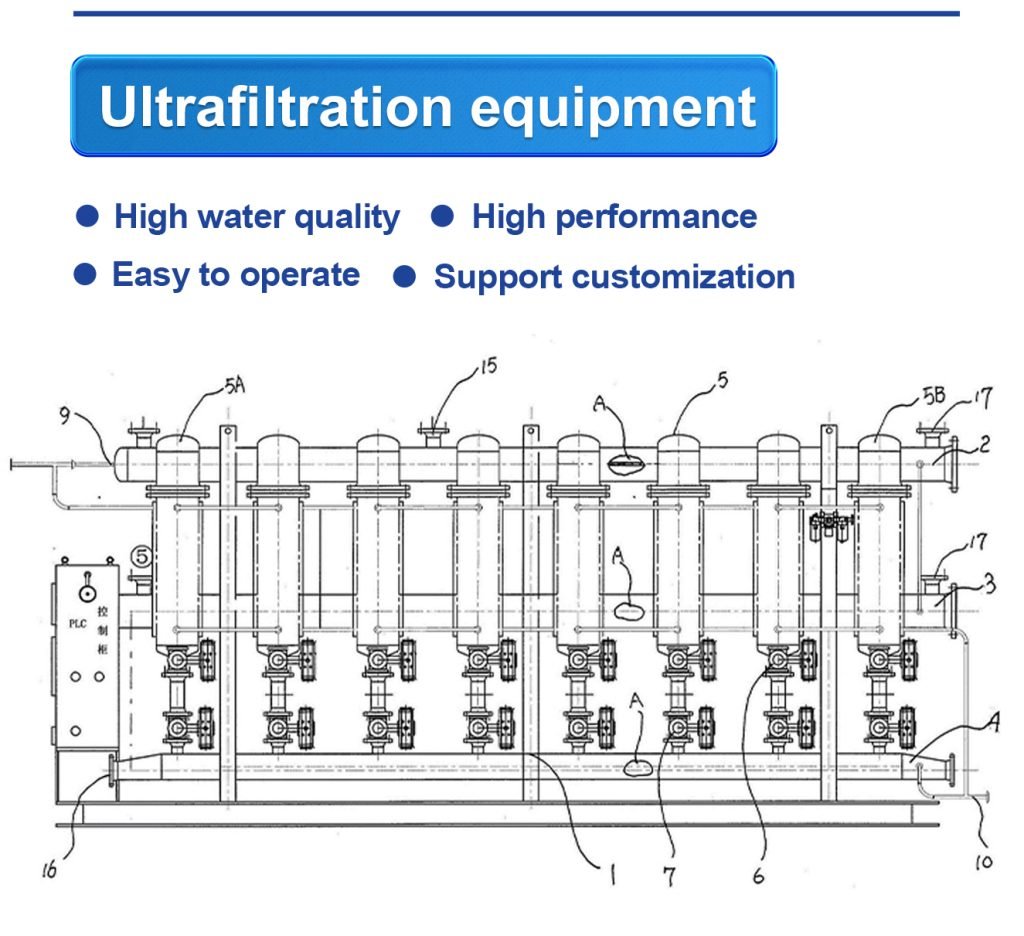
Ultrafiltration equipment operates on the principle of pressure – driven membrane filtration. The heart of the system is a semi – permeable membrane with tiny pores. When a fluid, such as water or a liquid mixture, is pumped through the membrane under pressure, smaller molecules and ions can pass through the pores. In contrast, larger molecules like proteins, colloids, and suspended particles are retained. For example, in a water treatment plant, the ultrafiltration membrane can filter out bacteria, viruses, and large organic molecules, while allowing water molecules and small ions to pass through, resulting in clean and safe water.
Advantages
High – Quality Filtration
One of the key advantages of ultrafiltration equipment is its ability to provide high – quality filtration. It can remove contaminants down to the nanometer scale. In the food and beverage industry, this means it can effectively filter out microorganisms and impurities, ensuring product safety and quality. For instance, in the production of dairy products, ultrafiltration can separate whey proteins from lactose and water, enhancing the nutritional value and shelf – life of the final product.
Energy – Efficient
Compared to some traditional filtration methods, ultrafiltration equipment is relatively energy – efficient. It operates at lower pressures, which reduces the energy consumption required for the filtration process. In large – scale industrial applications, this energy savings can translate into significant cost savings over time. For example, in a chemical plant where large volumes of liquid need to be filtered, the energy – efficient operation of ultrafiltration equipment helps to cut down on utility bills.
No Chemical Additives
Ultrafiltration is a physical filtration process that typically does not require the addition of chemical agents. This is beneficial in many applications, especially in industries where chemical residues can be a problem. In the pharmaceutical industry, for example, using ultrafiltration to purify drugs means there is no risk of introducing unwanted chemical contaminants, ensuring the safety and efficacy of the medications.
Wide Application Areas
Water Treatment
In water treatment, ultrafiltration equipment is widely used to produce potable water. It can remove a wide range of pollutants from surface water, groundwater, and even wastewater. In urban water treatment plants, ultrafiltration helps to meet the growing demand for clean water by effectively filtering out impurities and pathogens. Additionally, in desalination processes, ultrafiltration can be used as a pre – treatment step to remove large particles before the water undergoes reverse osmosis, improving the overall efficiency of the desalination process.
Pharmaceutical Industry
The pharmaceutical industry relies heavily on ultrafiltration equipment for drug purification and formulation. It can separate and concentrate active pharmaceutical ingredients, remove impurities, and sterilize drug solutions. For example, in the production of vaccines, ultrafiltration is used to purify the vaccine antigens, ensuring their purity and effectiveness.
Food and Beverage Industry
As mentioned earlier, ultrafiltration plays a crucial role in the food and beverage industry. It is used for processes such as juice clarification, wine filtration, and dairy product processing. In the production of fruit juices, ultrafiltration can remove pulp, bacteria, and other contaminants, resulting in a clear and stable juice product with enhanced flavor and shelf – life.
Biotechnology
In biotechnology, ultrafiltration is used for separating and purifying biological molecules. It can be used to isolate proteins, enzymes, and other valuable biomolecules from complex mixtures. For example, in a biotech laboratory, ultrafiltration can be used to purify monoclonal antibodies, which are important for medical research and the development of new drugs.
Conclusion
In conclusion, ultrafiltration equipment offers a wide range of benefits, including high – quality filtration, energy – efficiency, and chemical – free operation. Its diverse applications in water treatment, the pharmaceutical industry, the food and beverage industry, and biotechnology make it an indispensable tool in modern manufacturing and environmental protection. As technology continues to advance, ultrafiltration equipment is expected to become even more efficient and versatile, further expanding its applications and contributing to a cleaner, safer, and more productive world.