Ultrafiltration (UF)
Experts In Tailor-Made Ultrafiltration (UF) Solutions
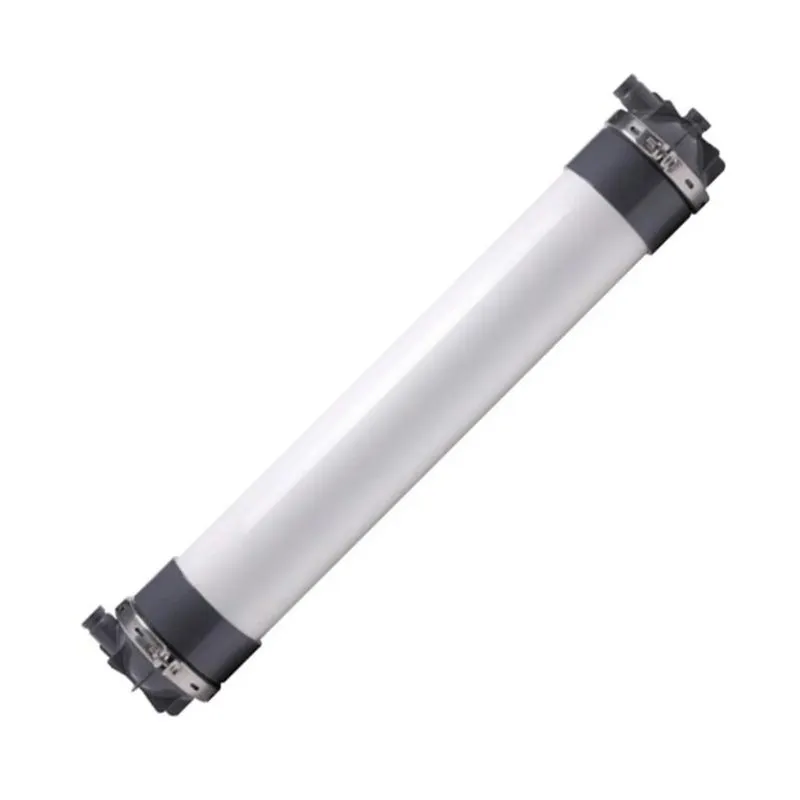
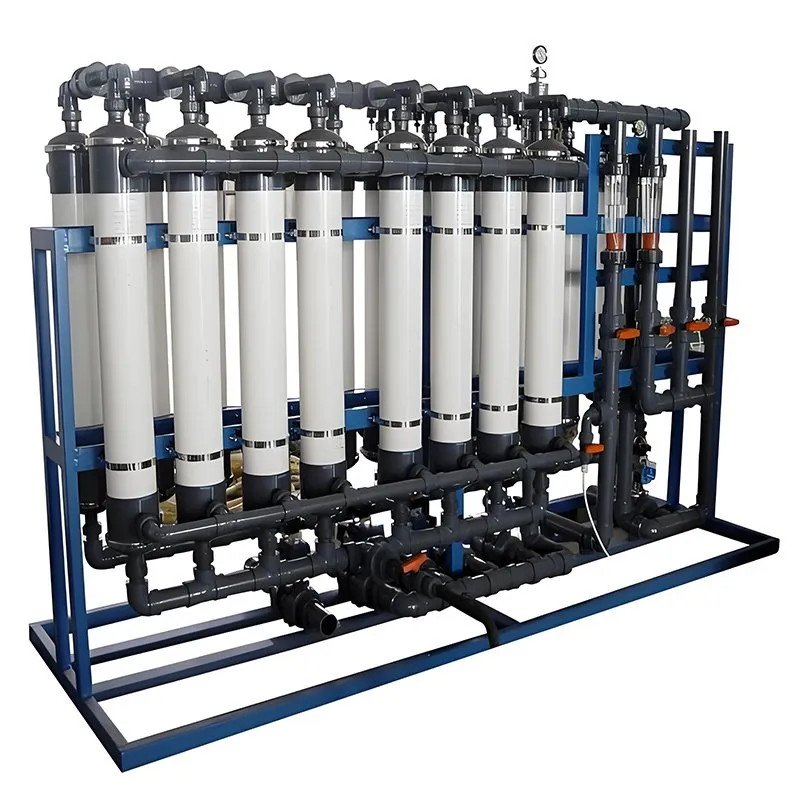
With decades of expertise, Lefilter delivers advanced UF systems featuring compact, economical designs that minimize plugging, handle higher solids loading, and enable unmatched water management solutions.
Why Lefilter is Your Preferred Choice
Quality Management System We Are Proud
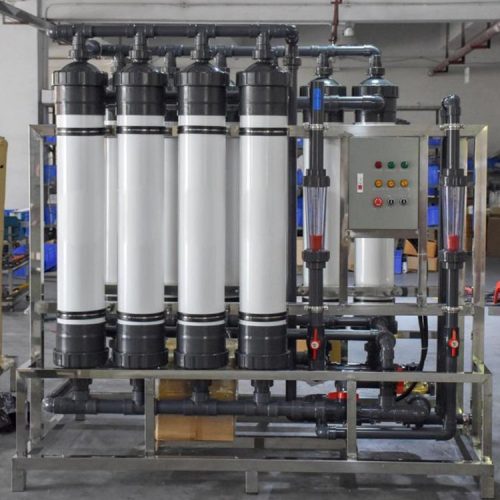
Features of Lefilter Ultrafiltration (UF) Systems
Advanced filtration performance with higher flux
Extremely small pore size (0.03 micron)
Removing microbial and viral pathogens, suspended solids, turbidity, particulate metals and coagulated organic matter
Modular design for urgent requests or plant expansions
Reduced chemical cleaning frequency and consequently, lower operating costs and downtime
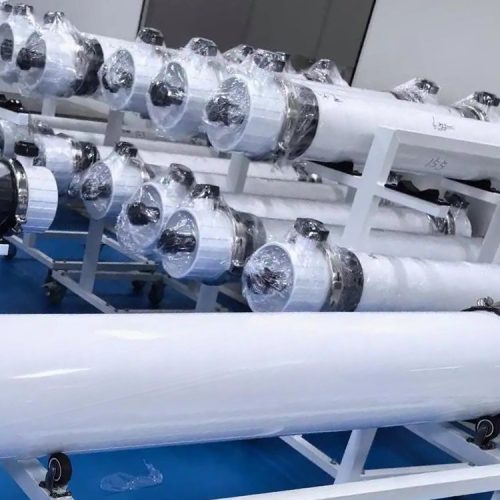
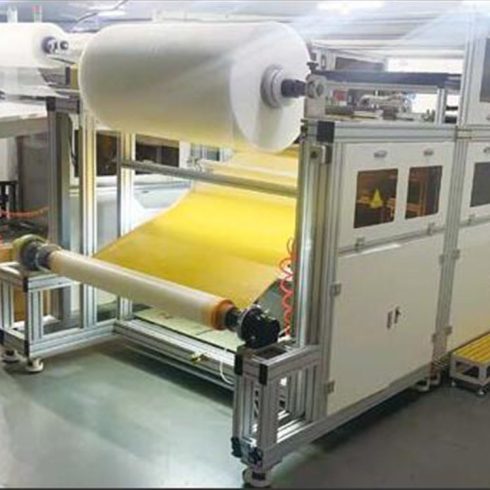
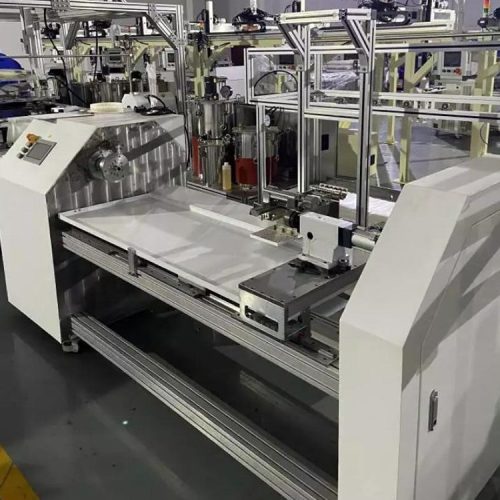
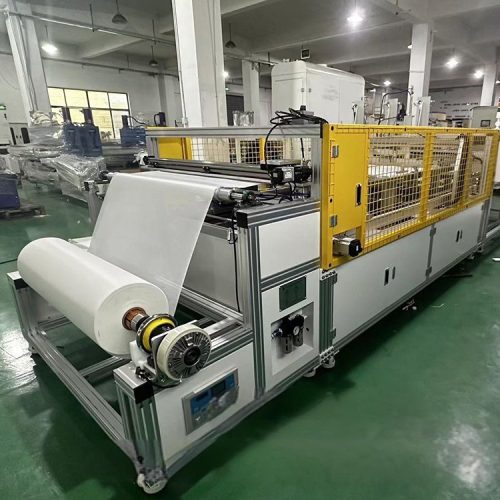
Lefilter protects your equipment and products and extends the life of your equipment by providing superior filtration and water treatment solutions for the following market segments.
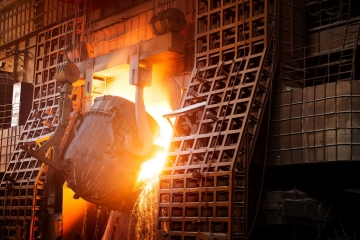
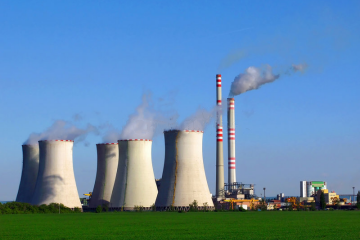
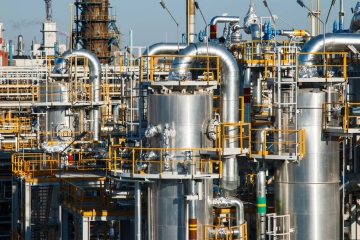
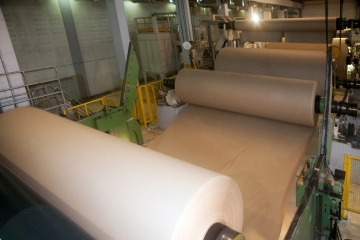
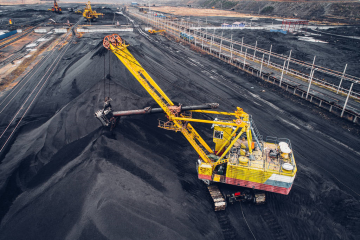
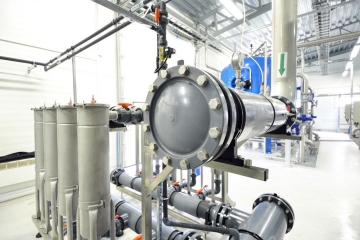
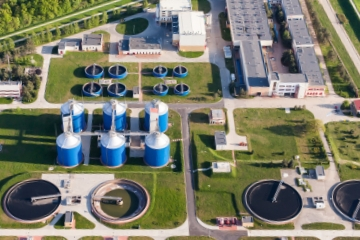

More Segments
- Marine Vessel
- Geothermal Energy
- Steam Turbines
- Desalination Process
- Oil Removal In Wastewater Applications
- Food & Beverage
- Bottle Washing Machines
- Tunnel Pasteurisers
- Dairy
- Whey Protein Concentration/Isolation
- Electrocoat Industry
- Ultrapure Water Production
- Biopharmaceuticals
- Antibiotics Production
- Dye Effluent Recovery & Concentration
Frequently Asked Questions
Reverse osmosis is a water treatment process that removes dissolved contaminants from water by using pressure to force water molecules through a semi-permeable membrane.
Reverse osmosis produces highly pure water that can be used in industrial boilers, drinking water systems, desalination, pharmaceutical production, cosmetics production, food and beverage processing, and many other applications.
High desalination rate of reverse osmosis, the desalination rate of single membrane can reach 99%, the desalination rate of single-stage reverse osmosis system can generally be stabilized above 90%, and the desalination rate of two-stage reverse osmosis system can generally be stabilized above 98%.
Because reverse osmosis can effectively remove microorganisms such as bacteria, organic matter, and inorganic matter such as metal elements, the water quality of the effluent is greatly superior to other methods.
Reverse osmosis pure water operation cost and labor cost is low, reduce environmental pollution.
Slow down the source water quality fluctuations caused by changes in water quality, which is conducive to the production of water quality stability, which has a positive effect on the stability of pure water product quality.
Can greatly reduce the burden of the subsequent treatment equipment, thereby extending the service life of the subsequent treatment equipment.
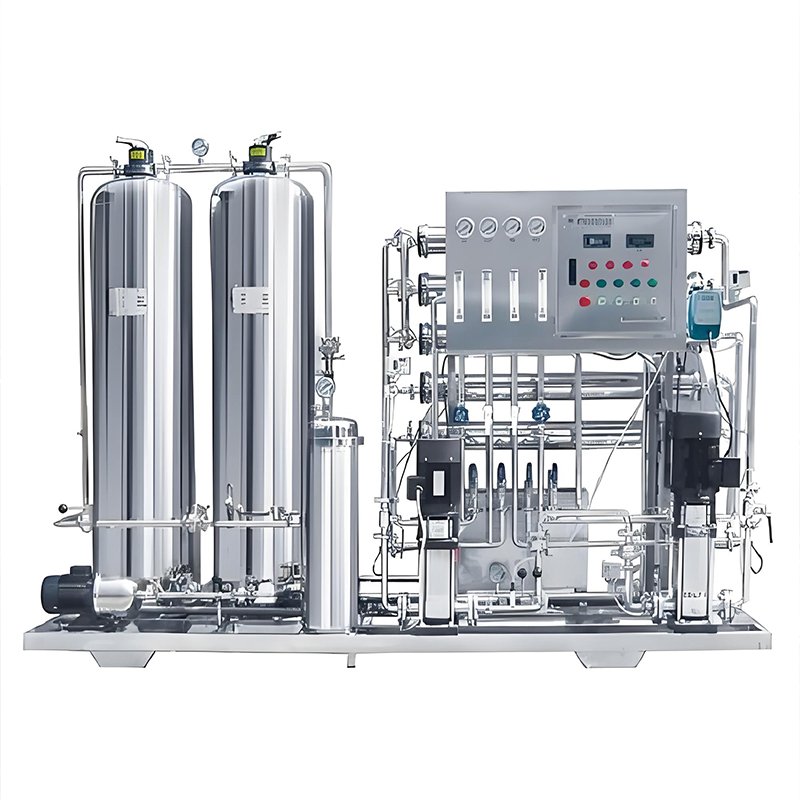
The most important part of a reverse osmosis system is the membrane. In industrial applications, the membranes are packed into a single housing and then arranged in several parallels.
Under the action of a pump system, pressure pushes the incoming water through the semi-permeable membrane, leaving impurities behind, while the filtered water continues through the system.
Once this is achieved, the highly purified water can be reused for a variety of other applications, while the "rejected" impurities are left behind.