
In today’s industrial and commercial sectors, efficient water filtration is crucial for ensuring the quality and purity of water. The high flow water filter element emerges as a game-changer, providing a reliable and effective solution for various applications. This article will delve into the product introduction, working principle, product composition, technical parameters, and application industries of high flow water filter elements.
I. Product Introduction
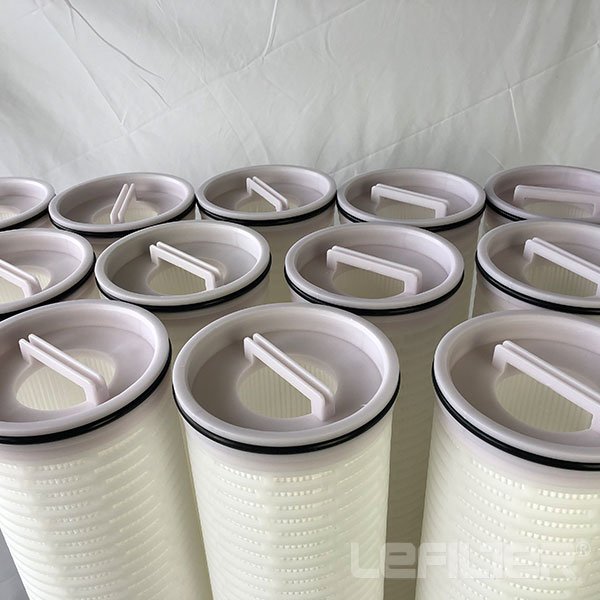
High flow water filter elements are designed to handle large volumes of water with high filtration efficiency. These filter elements are made from advanced materials that can withstand high pressure and flow rates while effectively removing contaminants from water. They are available in different sizes and configurations to meet the specific needs of various applications.
The main features of high flow water filter elements include:
- High filtration capacity: Can process large amounts of water in a short time, reducing downtime and increasing productivity.
- Excellent filtration efficiency: Removes a wide range of contaminants, including sediments, rust, particles, and microorganisms.
- Durable construction: Made from high-quality materials that are resistant to corrosion, abrasion, and chemical attack.
- Easy installation and replacement: Can be quickly and easily installed in existing filtration systems without the need for major modifications.
II. Working Principle
The working principle of high flow water filter elements is based on depth filtration. As water passes through the filter element, contaminants are trapped within the filter media by physical and mechanical means. The filter media is designed to have a specific pore size and structure that allows water to flow through while blocking contaminants.
The filtration process occurs in several stages. First, larger particles and sediments are trapped on the outer surface of the filter element. As water continues to flow through, smaller particles are captured in the inner layers of the filter media. The filter element gradually becomes clogged as contaminants accumulate, but its high flow design allows for continued filtration even at reduced flow rates.
III. Product Composition
High flow water filter elements are typically composed of the following components:
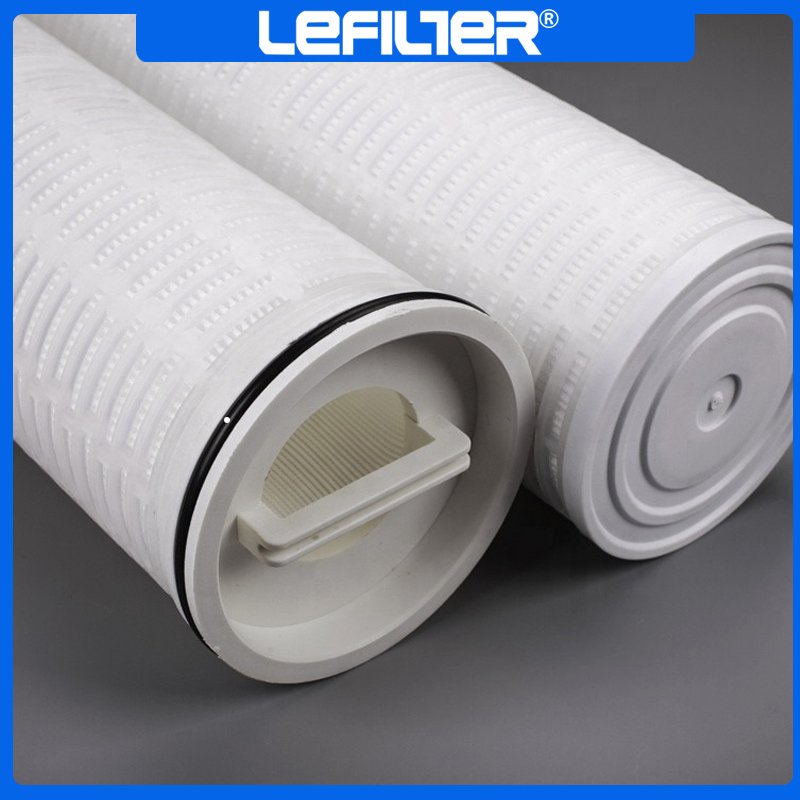
- Filter media: The heart of the filter element, made from materials such as polypropylene, polyester, or glass fiber. The filter media is designed to have a specific pore size and structure to achieve the desired filtration efficiency.
- Core: Provides structural support to the filter element and helps maintain its shape during filtration. The core is usually made from plastic or metal.
- End caps: Seal the ends of the filter element and provide a connection point for installation in the filtration system. End caps are typically made from plastic or rubber.
- Outer housing: Protects the filter element from damage and provides a means of mounting it in the filtration system. The outer housing can be made from plastic, metal, or other materials.
IV. Technical Parameters
The technical parameters of high flow water filter elements vary depending on the specific model and application. Some of the key technical parameters include:
- Filtration rating: Indicates the size of the smallest particles that can be removed by the filter element. Common filtration ratings range from 1 micron to 100 microns.
- Flow rate: The maximum volume of water that can pass through the filter element per unit time. Flow rates can range from a few gallons per minute to several thousand gallons per minute.
- Pressure drop: The difference in pressure between the inlet and outlet of the filter element. A low pressure drop is desirable to ensure efficient filtration without excessive energy consumption.
- Length and diameter: The physical dimensions of the filter element, which determine its compatibility with different filtration systems.
- Temperature range: The range of temperatures within which the filter element can operate effectively.
V. Application Industries
High flow water filter elements find applications in a wide range of industries, including:
- Industrial water treatment: Used in industrial processes such as cooling towers, boilers, and manufacturing operations to remove contaminants and ensure the quality of process water.
- Municipal water treatment: Employed in municipal water treatment plants to filter raw water and produce potable water.
- Food and beverage industry: Used in food and beverage processing plants to filter water for use in production processes, ensuring product quality and safety.
- Pharmaceutical industry: Applied in pharmaceutical manufacturing to filter water for use in drug production, meeting strict quality standards.
- Power generation: Used in power plants to filter water for cooling systems and steam generation, improving plant efficiency and reliability.
In conclusion, high flow water filter elements are an essential component of modern water filtration systems. With their high filtration capacity, excellent filtration efficiency, durable construction, and easy installation, they offer a reliable and cost-effective solution for a wide range of applications. By understanding the product introduction, working principle, product composition, technical parameters, and application industries of high flow water filter elements, users can make informed decisions and choose the right filter element for their specific needs.