Introduction
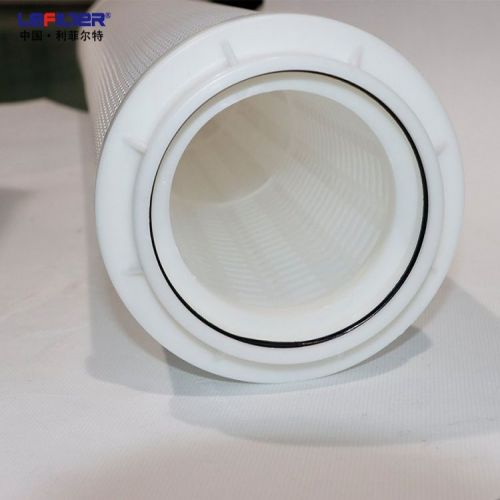
The Replacement Pall High – Flow Filter Element is a state – of – the – art filtration solution developed by Pall Corporation, a renowned leader in the filtration, separation, and purification industry. These filter elements are specifically crafted for high – flow applications, where traditional filtration methods often fall short. Whether it’s in large – scale water treatment plants, chemical processing facilities, or power generation plants, the Pall High – Flow Filter Element provides a reliable and efficient filtration solution. It serves as a crucial component in maintaining the quality of fluids, protecting downstream equipment from contaminants, and ensuring the smooth operation of industrial processes.
Product Specifications
Filter Medium
The filter media used in Pall High – Flow Filter Elements are diverse, including high – area polypropylene structures (such as HDC® II Medium), pleated polypropylene depth structures (Profile® Medium in Ultipleat Format), resin – bonded glass fiber/polyester support (Ultipor® GF Medium), and pleated polypropylene/polyether sulfone membranes (Ultipleat CAS Medium). Each medium is selected based on the specific filtration requirements of different applications, offering a wide range of performance characteristics. For example, the high – area polypropylene structures provide excellent dirt – holding capacity and are suitable for applications where large amounts of contaminants need to be captured. The resin – bonded glass fiber media, on the other hand, are ideal for applications that require high – temperature resistance and high – efficiency filtration of fine particles.
Dimensions
The filter cartridges come in various lengths, with nominal lengths of 20 inches (508 mm), 40 inches (1016 mm), 60 inches (1524 mm), and 80 inches (2032 mm). The outer diameter of the cartridges is 6 inches (152.4 mm), which is a key factor contributing to their high – flow capabilities. The large diameter allows for a greater flow area, enabling higher flow rates without sacrificing filtration efficiency.
Filtration Ratings
Pall High – Flow Filter Elements are available with a wide range of filtration ratings, from 1 micron to 1000 microns. This extensive range makes them suitable for different applications, whether it’s the removal of large debris or the filtration of fine particles. For instance, in applications where high – purity fluids are required, such as in the pharmaceutical or micro – electronics industries, filter elements with a 1 – micron or 2 – micron rating can be used. In contrast, for applications like pre – filtration in water treatment plants, higher – micron – rated filters (e.g., 50 – 100 microns) can be employed to remove larger suspended solids.
Operating Conditions
- Maximum Differential Pressure: The maximum differential pressure varies depending on the filter medium and temperature. For polypropylene – based media, it can reach up to 3.4 bar at 82°C (50 psid at 180°F), while for glass – fiber – based media, it can be 3.4 bar at 121°C (50 psid at 250°F). This indicates the maximum pressure difference that the filter element can withstand during operation, ensuring its structural integrity and filtration performance.
- Maximum Operating Temperature: The maximum operating temperature also depends on the filter medium. Pleated glass fiber can withstand temperatures up to 121°C, pleated PP up to 82°C, and melt – blown PP up to 65°C. These temperature limits are crucial to consider when selecting the appropriate filter element for applications involving hot fluids.
Features and Advantages
High – Flow Rate and Reduced Equipment Size
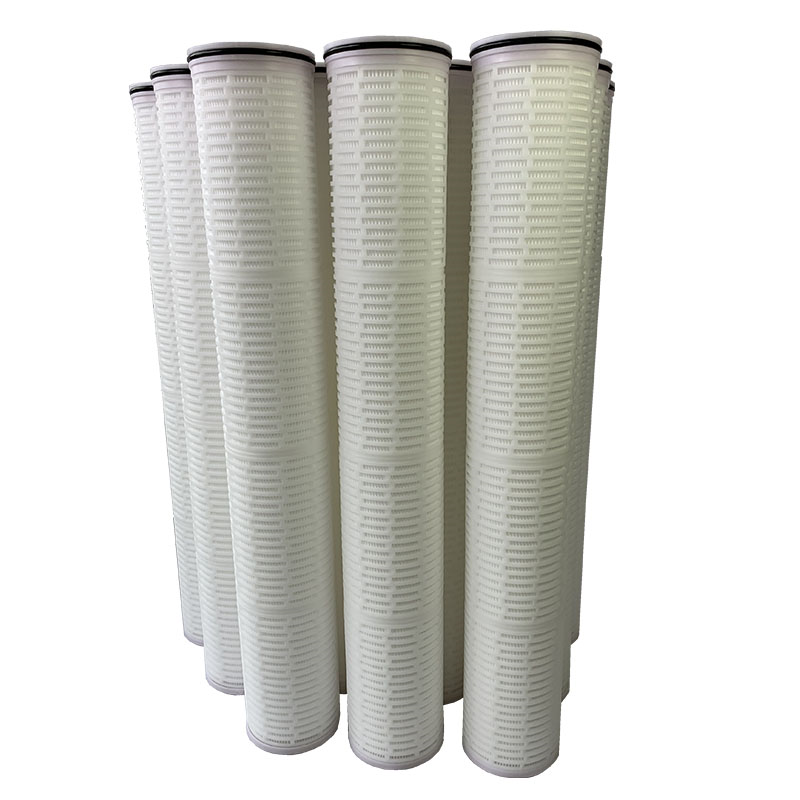
One of the most significant advantages of the Pall High – Flow Filter Element is its ability to handle high flow rates. Just one 6 – inch diameter filter element can handle flow rates up to 1,900 lpm (500 gpm). The unique crescent – shaped pleat design, combined with the large diameter, allows for a large amount of filter area to be packed into a single cartridge. This results in a significant reduction in the number of filter cartridges and the size of the supporting filter housing compared to traditional filters. For example, in a large – scale water treatment plant, using Pall High – Flow Filter Elements can reduce the footprint of the filtration system by up to 75%, leading to lower capital investment and space savings. In a reverse osmosis pre – filtration system, the high – flow rate of these filter elements ensures that a large volume of water can be pre – filtered quickly, protecting the sensitive RO membranes from damage and extending their lifespan.
Long Service Life and Lower Maintenance Costs
The filter elements are designed with high – performance filter media that have excellent dirt – holding capacity. This means they can capture and retain a large amount of contaminants before they need to be replaced. Additionally, the coreless construction and inside – to – outside flow configuration contribute to a longer service life. The coreless design allows for more efficient utilization of the filter media, as there is no central rod to limit the amount of dirt that can be captured. Maintenance requirements are significantly reduced, as there are up to 30 times fewer filters to change out compared to conventional depth filters. This not only saves time but also reduces labor costs associated with filter replacement. In a power generation plant, where downtime can be extremely costly, the long service life of Pall High – Flow Filter Elements minimizes disruptions to the production process.
Lower Waste Disposal Costs
The coreless construction and inside – to – outside flow configuration of the filter elements also make them more environmentally friendly. The spent filter elements can be tightly compacted, reducing the volume of waste for disposal. Moreover, since the elements contain no metallic components, incineration is a viable disposal option in many cases. Compared to traditional filters, the use of Pall High – Flow Filter Elements can result in up to four times less volume of spent filters, leading to significant savings in waste disposal costs.
Precise and Reliable Filtration
The fixed – pore media used in Pall High – Flow Filter Elements provide precise and reliable fluid quality. The tapered pore structure of the filter media ensures that particles are effectively captured at the appropriate filtration level, providing consistent and reproducible filtration performance. In industries such as food and beverage and pharmaceuticals, where product quality and safety are of utmost importance, the precise filtration capabilities of these filter elements are essential. For example, in the production of bottled water, the filter elements can effectively remove bacteria, viruses, and other contaminants, ensuring the safety and purity of the final product.
Uniform Flow Distribution
The Ultipleat High – Flow filter system, which includes these filter elements, features a unique design that ensures uniform flow distribution across the entire surface of the filter medium. The flow channels on both sides of the filter medium are of the same width and length, and the upstream support and downstream drainage layers hold the flow channels open, even under high differential pressures. This uniform flow distribution maximizes the utilization of the filter media, extends the filter service life, and provides reliable particle removal. In contrast, conventional triangular – shaped pleat structures often suffer from non – uniform flow distribution, which can lead to rapid plugging and inconsistent particle removal.
Product Structure
Filter Medium
The filter medium is the heart of the filter element. As mentioned earlier, it can be made of different materials such as polypropylene, glass fiber, or a combination of both. The pleated design of the filter medium increases its surface area, allowing for more efficient filtration. The pleats are carefully designed to provide a large filtration area while maintaining structural integrity. For example, in the Ultipleat High – Flow Filter Elements, the crescent – shaped pleats are arranged in a way that maximizes the available filtration area within the cartridge. The filter medium is also designed to have a tapered pore structure, with larger pores on the upstream side and smaller pores on the downstream side. This allows for effective removal of particles of different sizes, starting from larger particles at the outer layer of the filter and gradually capturing smaller particles as the fluid passes through.
Support and Drainage Layers
The support and drainage layers are crucial components that sandwich the filter medium. Made of materials like polypropylene or polyester/nylon, these layers provide mechanical support to the filter medium, ensuring that it maintains its shape during operation. The support layer prevents the filter medium from collapsing under pressure, while the drainage layer helps to collect and remove the filtered fluid efficiently. In addition, these layers play a role in maintaining the uniform flow distribution across the filter medium. They hold the flow channels open, allowing the fluid to flow evenly through the filter and preventing channeling or bypassing of the filter medium.
End Caps
The end caps are made of glass – filled polypropylene or glass – filled acetal, depending on the filter medium. They are designed to seal the ends of the filter element and provide a connection point to the filter housing. The end caps are securely bonded to the filter medium and the support/drainage layers, ensuring a tight seal and preventing leakage. The glass – filled material provides high mechanical strength, allowing the end caps to withstand the pressure exerted during the filtration process. The design of the end caps also takes into account the ease of installation and removal of the filter element from the filter housing.
Outer Wrap
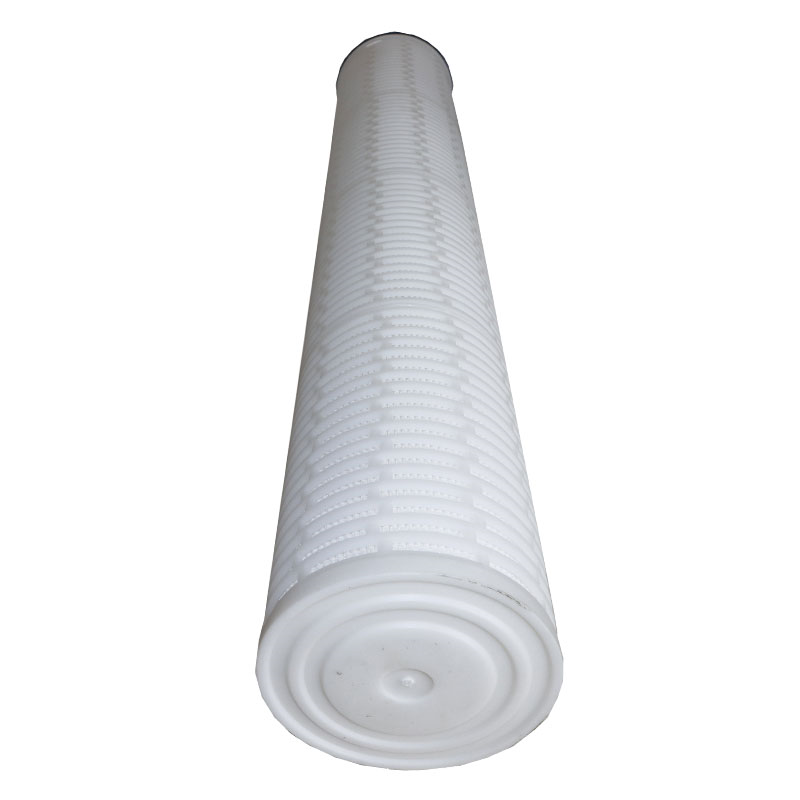
The outer wrap is a protective layer that covers the filter element. It is made of materials such as polypropylene or polyolefin hotmelt and serves to hold the pleats in place and protect the filter medium from damage. The outer wrap is bonded to each pleat tip along the outer diameter of the cartridge, ensuring that the pleats remain in their proper position during operation. This helps to maintain the integrity of the filter element and prevent the pleats from bunching or collapsing. The outer wrap also provides an additional level of protection against external contaminants, ensuring that only the fluid passing through the filter medium is filtered.
Working Principle
The working principle of the Replacement Pall High – Flow Filter Element is based on the physical separation of contaminants from the fluid being filtered. When the fluid enters the filter element from the inside, it passes through the filter medium. The pores in the filter medium are sized to capture particles larger than the specified filtration rating. As the fluid moves through the filter medium, contaminants are trapped on the surface or within the pores of the medium. The unique design of the filter element, including the tapered pore structure and the uniform flow distribution, ensures that the filtration process is efficient and effective. The large – diameter design and high – flow rate capabilities allow for a large volume of fluid to be filtered in a short period. As the filter element captures more contaminants, the differential pressure across the filter increases. Once the differential pressure reaches the recommended level for filter replacement, it indicates that the filter medium is becoming clogged, and the filter element needs to be replaced.
Specific Application in Coal Mining Water Treatment
Removal of Suspended Solids
Coal mining water often contains a high concentration of suspended solids, such as coal dust, rock particles, and clay. The Replacement Pall High – Flow Filter Element is highly effective in removing these suspended solids. With its large – diameter design and high – dirt – holding capacity, it can capture a significant amount of these particles, reducing the turbidity of the water. For example, in a coal mine, the filter elements can be installed in a pre – treatment stage of the water treatment system. The high – flow rate of the filter elements allows for the rapid filtration of large volumes of water, ensuring that the downstream treatment processes, such as chemical precipitation or reverse osmosis, are not overwhelmed by the suspended solids.
Heavy Metal Removal (to a certain extent)
In addition to suspended solids, coal mining water may also contain heavy metals such as lead, mercury, and cadmium. Although the primary function of the Pall High – Flow Filter Element is not heavy metal removal, it can play a role in reducing the concentration of some heavy metals. The filter medium can adsorb or trap some of the heavy metal – containing particles, depending on their size and chemical properties. This pre – treatment with the filter elements can help to reduce the load on subsequent heavy – metal – removal processes, such as ion – exchange or chemical oxidation. It also helps to protect downstream equipment from damage caused by heavy metal contamination.
Cost – Effective Filtration
In the coal mining industry, cost – effectiveness is a crucial factor. The long service life, high – flow rate, and reduced maintenance requirements of the Replacement Pall High – Flow Filter Element make it a cost – effective solution for coal mining water treatment. The reduced number of filter cartridges needed and the lower waste disposal costs contribute to overall cost savings. Moreover, the reliability of the filter elements reduces the risk of equipment downtime due to poor – quality water, which can have a significant impact on the productivity of the coal mine.
Other Industry Applications
Power Generation
In power generation plants, the Pall High – Flow Filter Element is used for filtering boiler condensate. Boiler condensate contains impurities such as iron oxide, copper particles, and other corrosion products. The filter elements effectively remove these contaminants, protecting the boiler and other equipment from damage. For example, in a steam – powered power plant, the filtered boiler condensate can be recycled and reused, reducing water consumption and improving the efficiency of the power generation process. The high – temperature resistance of some filter media, such as glass – fiber – based media, makes them suitable for use in high – temperature condensate filtration applications.
Chemical and Petrochemical Industry
The chemical and petrochemical industry deals with a wide range of fluids, including corrosive chemicals, solvents, and hydrocarbons. The Replacement Pall High – Flow Filter Element is compatible with many of these chemicals, making it an ideal choice for filtration in this industry. It is used to filter process fluids to remove contaminants, prevent fouling of equipment, and ensure the quality of the final products. For instance, in a chemical manufacturing plant, the filter elements can be used to filter reaction mixtures, removing impurities that could affect the chemical reactions or the quality of the products.
Food and Beverage Industry
In the food and beverage industry, product quality and safety are of utmost importance. The Pall High – Flow Filter Element is used to filter water, ingredients, and final products to remove contaminants such as bacteria, yeast, and other microorganisms, as well as suspended solids. For example, in the production of bottled water, the filter elements ensure that the water is free from harmful contaminants, meeting the strict quality standards of the industry. In the brewing industry, the filter elements can be used to filter beer or wine, improving the clarity and quality of the final product.
Micro – electronics Industry
The micro – electronics industry requires high – purity fluids for manufacturing processes. Even the smallest particle can cause defects in micro – electronic components. The Replacement Pall High – Flow Filter Element, with its high – efficiency filtration capabilities and precise filtration ratings, is used to filter the fluids used in micro – electronics manufacturing, such as photoresist solvents and cleaning agents. This ensures that the manufacturing environment is free from contaminants, improving the yield and quality of micro – electronic products. The ability of the filter elements to remove particles down to the sub – micron level makes them essential for this industry.
Conclusion
The Replacement Pall High – Flow Filter Element is a versatile and high – performance filtration solution that offers numerous benefits across a wide range of industries. Its advanced design, high – quality materials, and excellent filtration capabilities make it a reliable choice for applications where high – flow rates, long service life, and precise filtration are required. Whether it’s in coal mining water treatment, power generation, chemical processing, food and beverage production, or micro – electronics manufacturing, the Pall High – Flow Filter Element provides an effective and cost – efficient way to maintain fluid quality, protect equipment, and ensure the smooth operation of industrial processes. As industries continue to evolve and demand higher – quality filtration solutions, the Replacement Pall High – Flow Filter Element is well – positioned to meet these challenges and drive innovation in the field of industrial filtration.