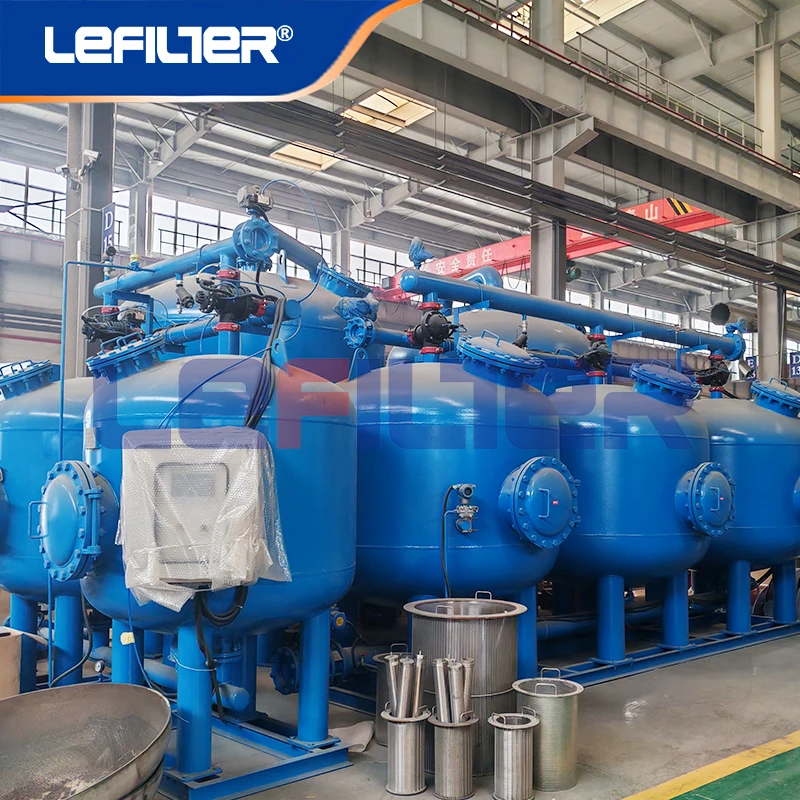
Water is the source of life, and ensuring the safety and purity of drinking water is essential for human health. Among the many water treatment technologies, activated carbon water filters stand out for their high efficiency and reliable performance, and have become widely used water treatment equipment in households, commerce and industry. This article will explore in depth the working principle, advantages, application areas and future development trends of activated carbon water filters.
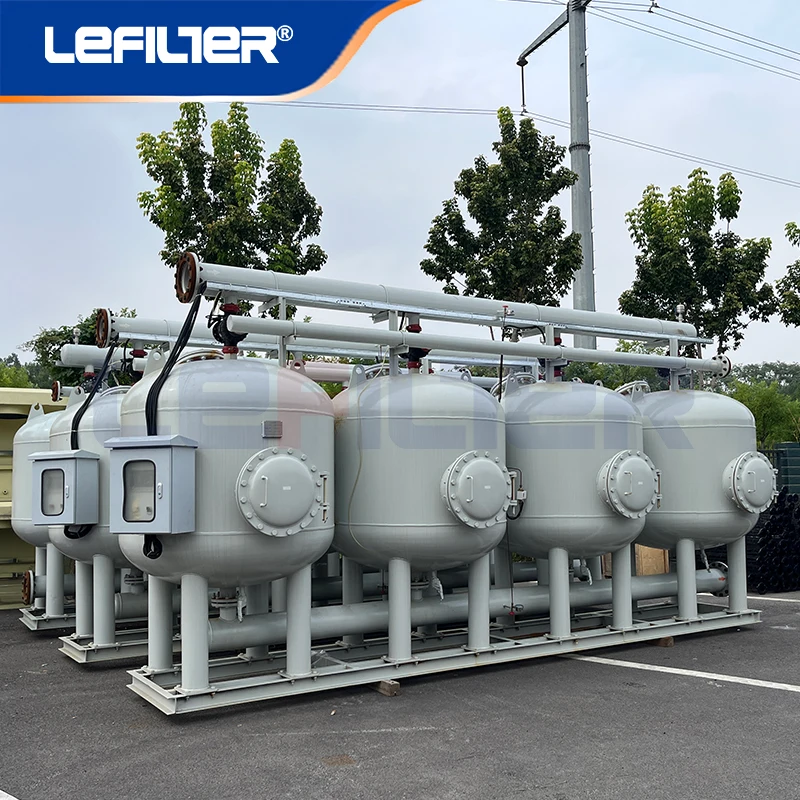
- Working principle of activated carbon water filters
Activated carbon is an adsorption material with a highly porous structure and a huge surface area. The surface area of each gram of activated carbon can reach hundreds or even thousands of square meters. These pores can adsorb various pollutants in the water, including organic matter, heavy metal ions, residual chlorine, odor and color.
Activated carbon water filters usually consist of an activated carbon filter element and a shell. When water passes through the activated carbon filter element, the pollutants in the water are adsorbed by the pores of the activated carbon, thereby purifying the water. The adsorption process of activated carbon mainly includes two methods: physical adsorption and chemical adsorption.
Physical adsorption refers to the adsorption of pollutant molecules in water on the surface of activated carbon through its huge surface area and pore structure. This adsorption process is reversible. When the activated carbon adsorption is saturated, its adsorption capacity can be restored by regeneration.
Chemical adsorption refers to the chemical reaction between the chemical functional groups on the surface of activated carbon and the pollutants in the water, thereby fixing the pollutants on the activated carbon. This adsorption process is usually irreversible, and chemical adsorption can more effectively remove certain specific pollutants in the water, such as heavy metal ions.
- Advantages of activated carbon water filters
Efficient removal of pollutants
Activated carbon water filters can efficiently remove a variety of pollutants in water, such as organic matter, heavy metal ions, residual chlorine, odor and color. Its removal efficiency is usually above 90%, which can provide users with safe and pure drinking water.
Improve the taste and smell of water
Activated carbon can absorb odor and color in water, making the water taste more refreshing and sweet. At the same time, activated carbon can also remove residual chlorine in water to avoid the potential harm of residual chlorine to human health.
No chemical agents required
Compared with traditional water treatment methods, activated carbon water filters do not require the use of chemical agents and will not produce secondary pollution. This makes activated carbon water filters more environmentally friendly and safe, suitable for various fields such as home, business and industry.
Simple operation and convenient maintenance
The operation of the activated carbon water filter is very simple. You only need to install it on the faucet or water pipe. At the same time, the replacement of the activated carbon filter element is also very convenient. Users can replace it regularly according to the service life of the filter element and the water quality.
Low cost
The cost of the activated carbon water filter is relatively low, and it has a higher cost performance than other water treatment equipment. This makes the activated carbon water filter an economical and affordable water treatment option for consumers.
- Application areas of activated carbon water filters
Household drinking water purification
In the home, the activated carbon water filter can be installed on the faucet to provide users with safe and pure drinking water. At the same time, the activated carbon water filter can also be used to purify kitchen water, bathing water, etc., to improve the quality of family life.
Commercial and industrial water treatment
In the commercial and industrial fields, the activated carbon water filter can be used to purify various industrial water, such as water used in electronics, pharmaceuticals, food processing and other industries. At the same time, the activated carbon water filter can also be used to purify swimming pool water, cooling tower water, etc., to improve the recycling rate of water and reduce water costs.
Emergency water treatment
In the event of natural disasters, emergencies, etc., activated carbon water filters can be used as emergency water treatment equipment to provide safe and pure drinking water for the affected people. At the same time, activated carbon water filters can also be used in outdoor adventures, camping and other activities to provide people with convenient and fast drinking water purification solutions.
- Future development trends of activated carbon water filters
Improve adsorption performance
With the continuous advancement of science and technology, the adsorption performance of activated carbon will continue to improve. The future activated carbon water filter will use more advanced activated carbon materials, with higher adsorption capacity and faster adsorption speed, and can more effectively remove various pollutants in the water.
Intelligent design
The future activated carbon water filter will be more intelligent, able to monitor water quality in real time, and automatically adjust the filtration parameters according to changes in water quality. At the same time, the activated carbon water filter will also have functions such as remote control and fault diagnosis, providing users with more convenient and efficient services.
Multifunctional integration
The future activated carbon water filter will not only be a single water treatment equipment, but will also have multiple functions, such as sterilization, disinfection, softening water quality, etc. The multifunctional integrated activated carbon water filter will be able to provide users with a more comprehensive and efficient water treatment solution.
Green and environmental protection
The future activated carbon water filter will pay more attention to green and environmental protection, adopt more environmentally friendly materials and processes, and reduce pollution to the environment. At the same time, the activated carbon water filter will also have the characteristics of recyclability and degradability to achieve the recycling of resources.
In short, as an efficient and reliable water treatment equipment, the activated carbon water filter has broad application prospects and development potential. With the continuous advancement of science and technology and people’s increasing attention to drinking water safety, activated carbon water filters will play a more important role in the future water treatment field.