Introduction
In many industrial processes, continuous filtration is crucial to maintain operational efficiency and protect equipment. Duplex filters, also known as dual filters or duplex strainers, are designed to provide uninterrupted filtration by allowing one filter to be cleaned or replaced while the other is in operation. This article explores the product description, working principle, components, technical specifications, and application fields of duplex filters, showcasing their importance in various sectors.
Product Introduction
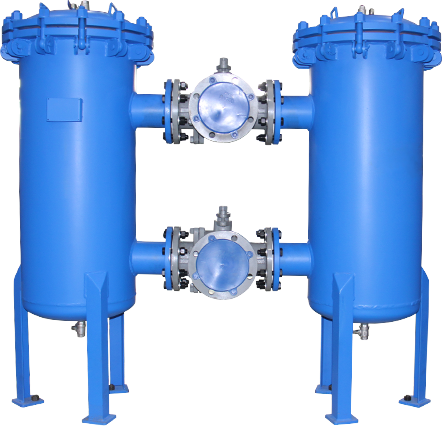
Duplex filters are robust filtration systems that consist of two separate filter chambers connected by a common valve mechanism. These filters are engineered to offer a seamless switch between the two chambers, enabling continuous operation without requiring shutdowns for maintenance. Duplex filters are highly valued for their reliability, efficiency, and ease of use, making them an ideal solution for critical applications where downtime is not an option.
Working Principle
The operation of duplex filters is based on a simple yet effective principle that ensures continuous filtration. Here’s a step-by-step explanation of how duplex filters work:
- Inlet Water: Contaminated water enters the duplex filter through a common inlet and is directed into one of the two filter chambers.
- Filtration: The water passes through the selected filter element, where contaminants are trapped, and the clean water exits through the outlet.
- Switching Mechanism: When the active filter chamber approaches its capacity or requires maintenance, a valve mechanism allows the flow to be diverted to the second filter chamber without interrupting the filtration process.
- Maintenance: The offline filter chamber can then be cleaned or have its filter element replaced while the other chamber continues to operate, ensuring continuous filtration.
- Back to Service: Once maintenance is complete, the cleaned filter chamber is ready to be brought back online, and the process can be repeated as needed.
Product Composition
A typical duplex filter consists of several key components, each contributing to its overall performance and reliability:
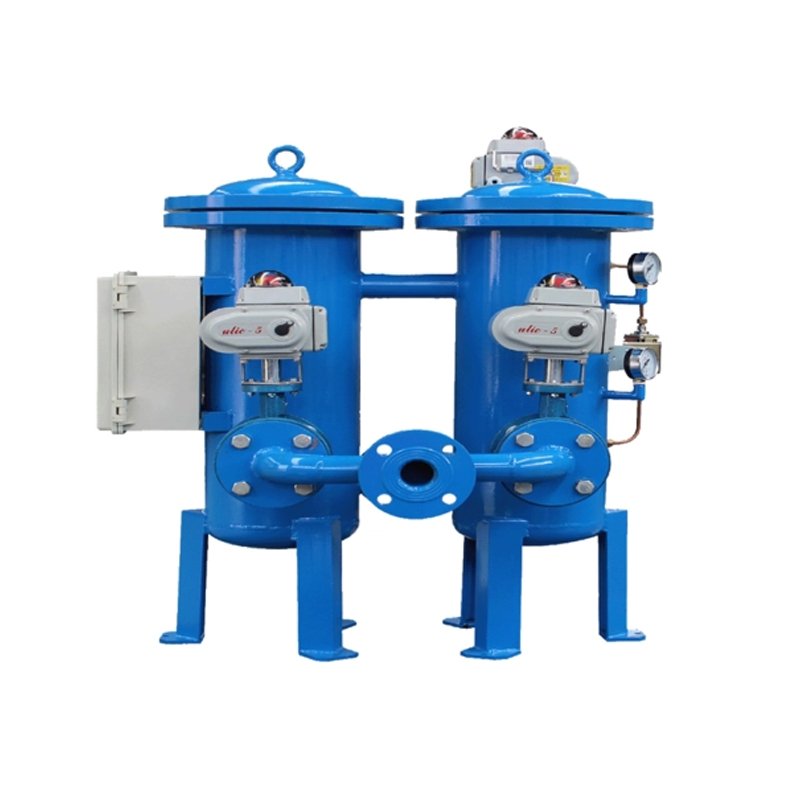
- Filter Chambers: The filter is divided into two separate chambers, each housing a filter element. The chambers are designed to handle the same flow rate and pressure, ensuring consistent filtration performance.
- Filter Elements: The core of the filtration process, these elements are typically made from materials such as stainless steel mesh, pleated cartridges, or sintered metal, selected based on the specific application requirements.
- Valve Mechanism: A crucial component that allows the flow to be switched between the two filter chambers. This mechanism can be operated manually or automatically, depending on the system design.
- Inlet and Outlet Ports: These ports facilitate the entry of contaminated water and the exit of filtered water. They are designed to minimize pressure drop and ensure smooth flow through the filter.
- Pressure Gauges: Installed on the inlet and outlet ports, pressure gauges monitor the differential pressure across the filter elements, indicating when maintenance is needed.
- Drain and Vent Ports: These ports enable the removal of trapped air and accumulated contaminants from the filter chambers, ensuring optimal performance.
Technical Specifications
Duplex filters come with a range of technical specifications to meet diverse application needs. Key specifications include:
- Flow Rate:
- The flow rate of duplex filters varies depending on their size and design. They can handle flow rates from a few gallons per minute (GPM) to several hundred GPM.
- Filtration Rating:
- The filtration rating indicates the size of particles the filter can remove. Duplex filters are available with ratings from 1 to 1000 microns, suitable for various applications.
- Operating Pressure:
- Duplex filters are designed to operate at pressures ranging from 30 to 150 psi, ensuring optimal filtration performance under different conditions.
- Temperature Range:
- The materials used in duplex filters allow them to operate within a wide temperature range, typically from -20°F to 400°F (-29°C to 204°C), making them suitable for various environments.
- Material Construction:
- The filter chambers and elements are usually made from durable materials such as stainless steel, brass, or cast iron, providing resistance to corrosion and wear.
- Valve Operation:
- The valve mechanism can be manually operated or automated, with options for electric, pneumatic, or hydraulic actuation, depending on the application requirements.
Application Fields
Duplex filters are versatile and used across numerous industries due to their efficiency and reliability. Here are some common application fields:
Industrial Processes
In industrial settings, duplex filters ensure the continuous filtration of process fluids, protecting sensitive equipment such as pumps, valves, and heat exchangers from damage caused by contaminants.
Marine and Offshore
Duplex filters are essential in marine and offshore applications, where they provide reliable filtration of fuel, lubricants, and ballast water, ensuring the smooth operation of engines and other critical systems.
Oil and Gas
In the oil and gas industry, duplex filters are used to filter crude oil, natural gas, and other process fluids, preventing the buildup of contaminants that could disrupt production and processing operations.
Power Generation
Duplex filters play a vital role in power plants, where they filter cooling water, lubricating oils, and fuel, ensuring the reliability and efficiency of turbines, generators, and other equipment.
Water Treatment
In water treatment facilities, duplex filters are used to remove suspended solids, sediments, and other impurities from raw water sources, providing clean and safe water for municipal and industrial use.
Food and Beverage
The food and beverage industry relies on duplex filters to ensure the purity and quality of water and other process fluids used in production, maintaining product consistency and complying with health and safety regulations.
Conclusion
Duplex filters are an indispensable component in many critical applications, offering continuous filtration and reducing downtime for maintenance. Their robust design, versatility, and efficiency make them a preferred choice in various industries, ensuring the smooth and reliable operation of vital processes and equipment.