Introduction
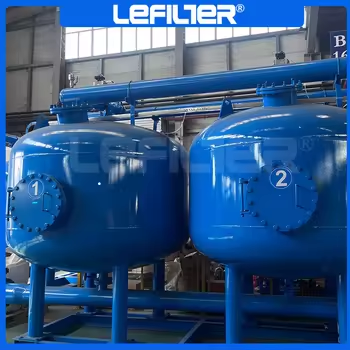
In the quest for clean and safe water, multimedia filters have emerged as a reliable and versatile solution. These filters are designed to remove various contaminants from water, making them ideal for a wide range of applications, from residential water treatment to large-scale industrial processes. This article delves into the product description, working principle, components, technical specifications, and application fields of multimedia filters, highlighting their importance in water purification systems.
Product Introduction
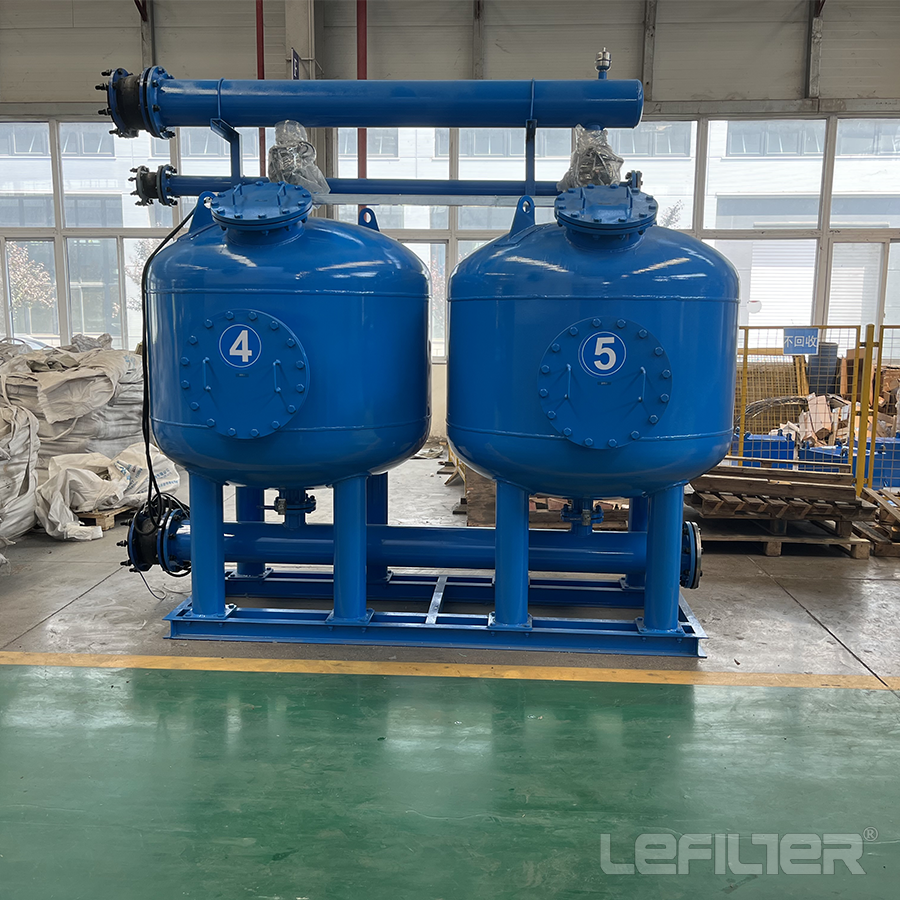
Multimedia filters, also known as multi-layer filters, are water filtration systems that use multiple layers of media to remove suspended particles, sediments, and other impurities from water. These filters are highly effective in enhancing water quality by capturing contaminants of different sizes and types. Multimedia filters are known for their high filtration efficiency, durability, and ease of maintenance, making them a popular choice in various water treatment applications.
Working Principle
The operation of multimedia filters is based on the principle of depth filtration, where water passes through multiple layers of media, each designed to capture different types of contaminants. Here’s a step-by-step explanation of how multimedia filters work:
- Inlet Water: Contaminated water enters the filter from the top and begins to flow downward through the filtration media.
- Filtration Media Layers: The water passes through several layers of filtration media, each with varying particle sizes and densities. Coarser media layers at the top capture larger particles, while finer media layers at the bottom capture smaller particles.
- Depth Filtration: As the water moves through each layer, contaminants are trapped within the pores of the media, effectively reducing turbidity and removing suspended solids.
- Clean Water Outlet: The filtered water exits the filter from the bottom, free from most of the impurities that were present in the inlet water.
- Backwashing: Periodically, the filter undergoes a backwashing process where water flows in the reverse direction to flush out the trapped contaminants, restoring the filter’s efficiency.
Product Composition
A typical multimedia filter consists of several key components, each contributing to its overall performance:
- Filtration Tank: The main body of the filter, usually made of fiberglass, stainless steel, or carbon steel, houses the filtration media and provides structural support.
- Inlet and Outlet Ports: These ports allow water to enter and exit the filter, ensuring a smooth flow through the system.
- Filtration Media: The heart of the multimedia filter, consisting of multiple layers of media such as anthracite, sand, gravel, and garnet. Each layer is carefully selected for its particle size and density to optimize filtration efficiency.
- Underdrain System: Located at the bottom of the filter, the underdrain system collects filtered water and distributes backwash water evenly across the media bed.
- Control Valve: This component regulates the flow of water through the filter and controls the backwashing process, ensuring efficient operation and maintenance.
- Pressure Gauges: Installed on the inlet and outlet ports, pressure gauges monitor the differential pressure across the filter, indicating when backwashing is needed.

Technical Specifications
Multimedia filters come with a range of technical specifications to meet diverse application needs. Key specifications include:
- Flow Rate:
- The flow rate of multimedia filters varies depending on their size and design. Residential filters typically have flow rates of 5-20 gallons per minute (GPM), while industrial filters can handle several hundred GPM.
- Filtration Media Depth:
- The depth of the filtration media bed usually ranges from 24 to 36 inches, providing ample space for effective depth filtration.
- Operating Pressure:
- Multimedia filters typically operate at pressures ranging from 30 to 100 psi, ensuring optimal filtration performance.
- Backwash Rate:
- The backwash rate is an important parameter, usually specified as a percentage of the service flow rate. Typical backwash rates range from 10 to 20 GPM per square foot of filter area.
- Tank Material:
- The materials used for the filtration tank, such as fiberglass, stainless steel, or carbon steel, offer durability and resistance to corrosion.
- Media Types:
- The types of media used in multimedia filters include anthracite, sand, gravel, and garnet, each selected for its specific filtration properties.
Application Fields
Multimedia filters are versatile and used across numerous industries due to their efficiency and reliability. Here are some common application fields:
Residential Water Treatment
Multimedia filters are widely used in household water filtration systems to remove sediments, turbidity, and other impurities from tap water. They provide clean, clear water for drinking, cooking, and other domestic uses.
Industrial Water Treatment
In industrial settings, multimedia filters are used to purify process water, cooling tower water, and boiler feed water. They help in reducing scaling, corrosion, and fouling, thereby extending the lifespan of equipment and improving operational efficiency.
Municipal Water Treatment
Municipal water treatment plants use multimedia filters to remove suspended solids, turbidity, and other contaminants from raw water sources. This ensures the delivery of safe and clean drinking water to the community.
Food and Beverage
The food and beverage industry uses multimedia filters to ensure the purity and quality of water used in production processes. This is essential for maintaining product consistency and complying with health and safety regulations.
Pharmaceuticals
In pharmaceutical manufacturing, multimedia filters are used to produce high-purity water required for drug formulation and other critical processes. They ensure that the water meets stringent quality standards, free from contaminants that could affect product efficacy.
Swimming Pools and Aquatic Facilities
Multimedia filters are commonly used in swimming pools and aquatic facilities to maintain clear, clean water. They remove debris, organic matter, and other impurities, ensuring a safe and pleasant swimming environment.
Conclusion
Multimedia filters are a cornerstone of modern water purification technology, offering unparalleled efficiency and reliability in removing contaminants. Their versatile applications, robust design, and effective filtration capabilities make them an essential component in various water treatment systems.