1. Pressure change
Pressure difference monitoring
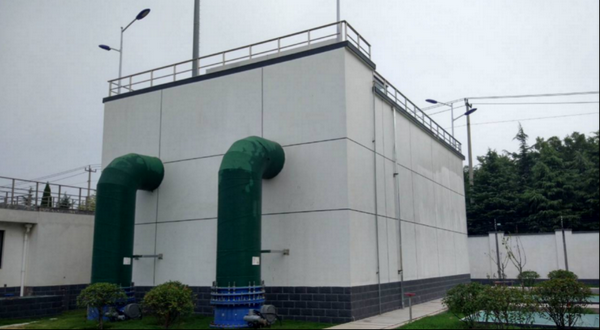
The filtration system usually installs a pressure sensor to measure the pressure difference on both sides of the filter element. In the early stage of filter element use, the pressure difference is relatively small because the pores of the filter element have not been blocked by a large amount of impurities. As the filtration process continues, impurities in the water gradually accumulate inside and on the surface of the filter element, resulting in increased resistance to water flow and an increase in the pressure difference.
When the pressure difference reaches the maximum value specified by the filter element manufacturer, it is an obvious signal for replacement. For example, a certain brand of large-flow water filter element stipulates that when the inlet and outlet pressure difference exceeds 0.3MPa, the filter element needs to be replaced, because the degree of clogging of the filter element is already serious at this time, and continued use will affect the filtration efficiency and system flow.
Abnormal system pressure
In addition to paying attention to the pressure difference, pay attention to the overall pressure of the system. If the system pressure rises abnormally and other factors (such as water pump failure, pipe blockage, etc.) are excluded, it is likely that the filter element is blocked. Excessive system pressure will cause damage to pipelines and equipment, and it also means that the filter element has difficulty working normally and needs to be replaced in time.
2. Flow change
Flow attenuation
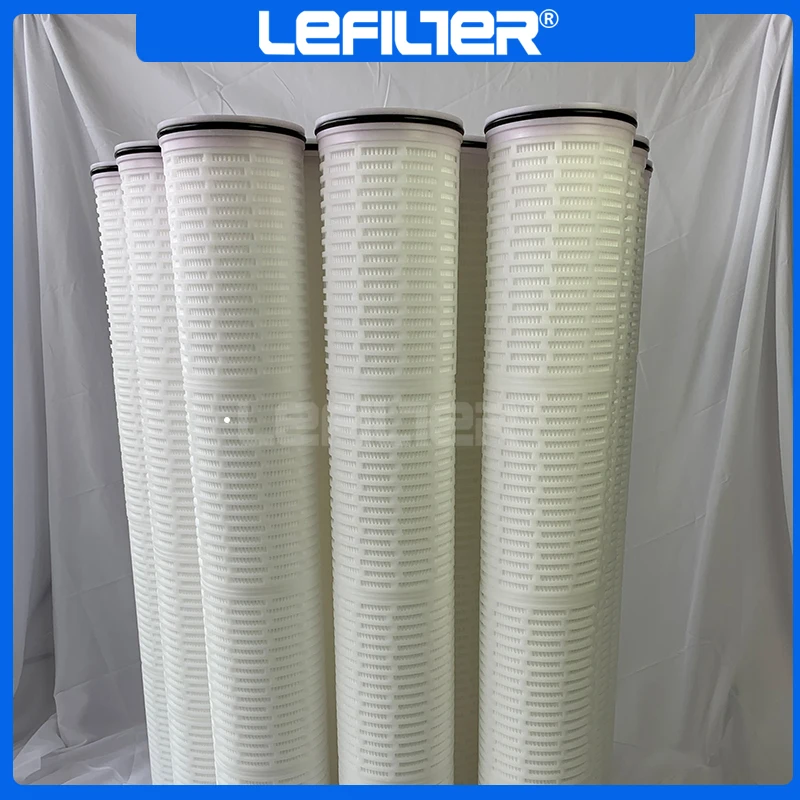
The large-flow water filter element can ensure a stable water flow under normal working conditions. However, as the filter element is used, the effective filtration area inside it will decrease due to the accumulation of impurities, causing the water flow rate to gradually decrease. The actual water flow rate can be monitored by a flow meter.
When the flow rate drops to less than 70% – 80% of the design flow rate (the specific value varies depending on different application scenarios and filter element requirements), it usually indicates that the filter element’s filtration performance has been seriously affected and needs to be considered for replacement. For example, in an industrial cooling circulating water system, if the initial design flow rate of a large-flow water filter element is 100m³/h, when the flow rate continues to drop below 70m³/h, the filter element may need to be replaced to meet the system’s requirements for cooling water volume.
Flow Fluctuation
It is also important to observe whether the flow rate fluctuates. If the flow rate is unstable, sometimes normal and sometimes significantly reduced, this may be caused by uneven blockage in some areas inside the filter element. This flow fluctuation will affect the stability of subsequent water-using equipment or processes, and is also a sign of reduced filter element performance.
3. Water Quality Changes
Poorer Outlet Water Quality
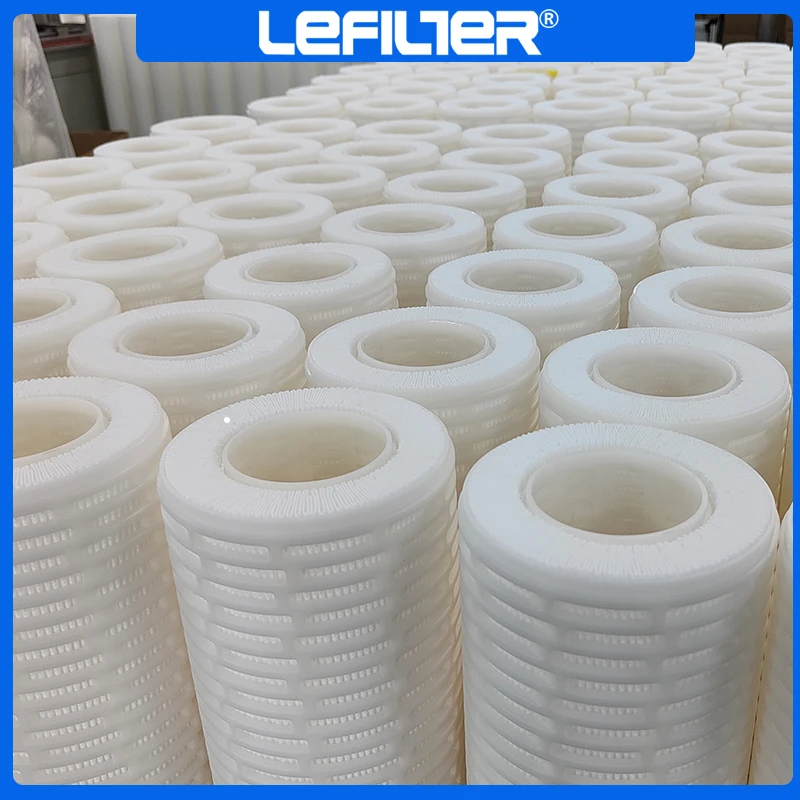
Water quality testing of the effluent after filtration by the filter element is a key method to determine whether the filter element needs to be replaced. It can detect indicators such as suspended matter, particle count, microbial content, and chemical concentration in water.
For example, if the turbidity of the outlet water increases significantly after a period of use, or the number of particles in the water exceeds the specified standard, this means that the filter element can no longer effectively remove impurities in the water and needs to be replaced. In the drinking water treatment system, if the microbial indicators such as bacteria and viruses in the filtered water exceed the standard, it also indicates that the filter element has lost its proper filtering function.
Abnormal fluctuations in water quality indicators
Even if the outlet water quality has not deteriorated significantly, if the water quality indicators fluctuate frequently, it may also be caused by unstable filter performance. This fluctuation may have an adverse effect on some industrial production processes that have strict water quality requirements (such as electronic chip manufacturing, pharmaceuticals, etc.), and it is also necessary to consider replacing the filter element at this time.
4. Changes in the appearance of the filter element
Blockage and discoloration
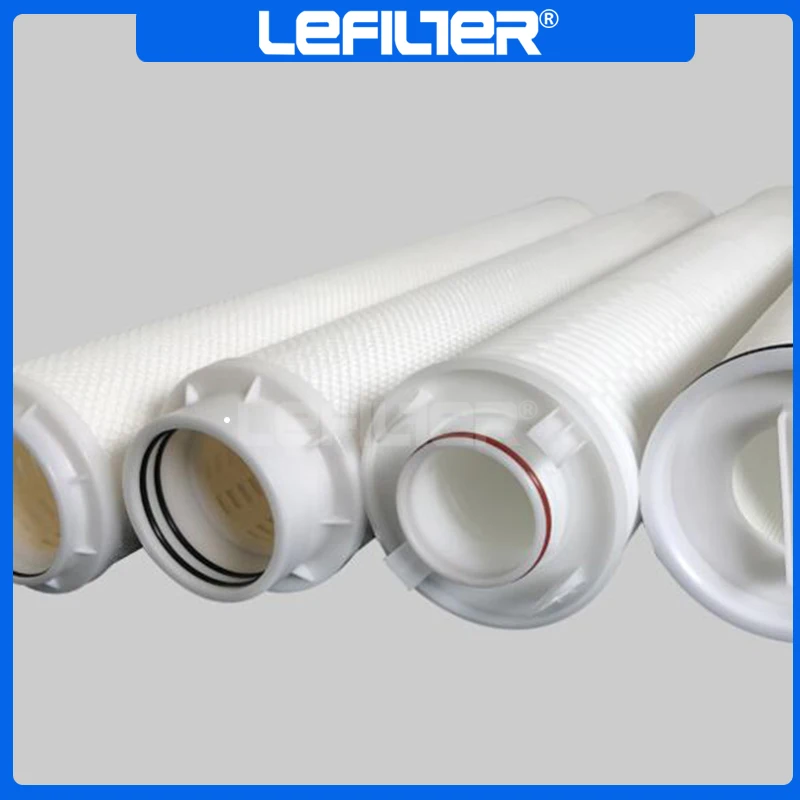
The appearance of the filter element can be directly observed to determine its status. If the surface of the filter element is obviously covered with impurities such as dirt and sand, and becomes black or covered with a thick layer of impurities, this indicates that the filter element has been severely blocked and needs to be replaced.
In addition, some filter elements will change color after long-term use, such as from white to yellow or brown. This may be due to the adsorption of organic matter, rust or other colored substances in the water, which is also a reference for the need to replace the filter element.
Deformation and damage
Check whether the filter element is deformed or damaged. When the filter element is under pressure for a long time or is impacted by external forces, it may deform, causing changes in the internal structure and affecting the filtering effect. If the filter element is damaged, unfiltered water will pass directly through the damaged area and completely lose the filtering effect. In this case, the filter element must be replaced immediately.