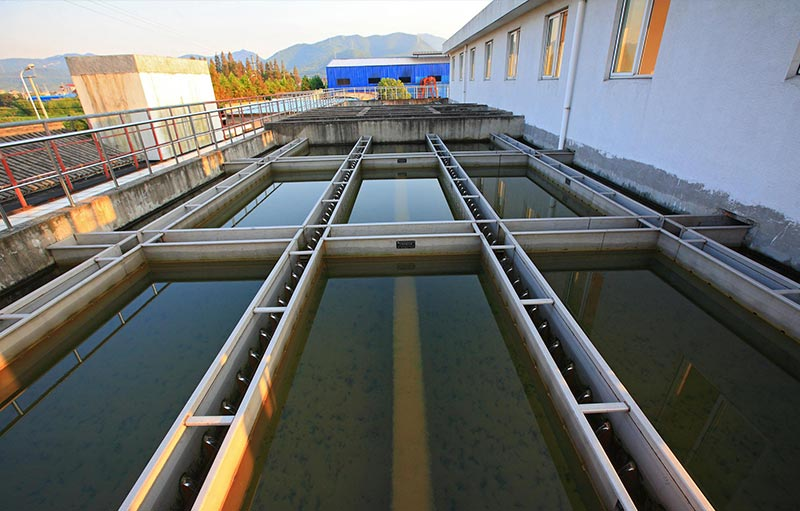
Methods to extend the service life of large-flow water filter elements
Large-flow water filter elements play a key role in water treatment systems. Extending their service life can not only reduce operating costs, but also improve the stability of the system. The following are some effective methods to extend the service life of large-flow water filter elements.
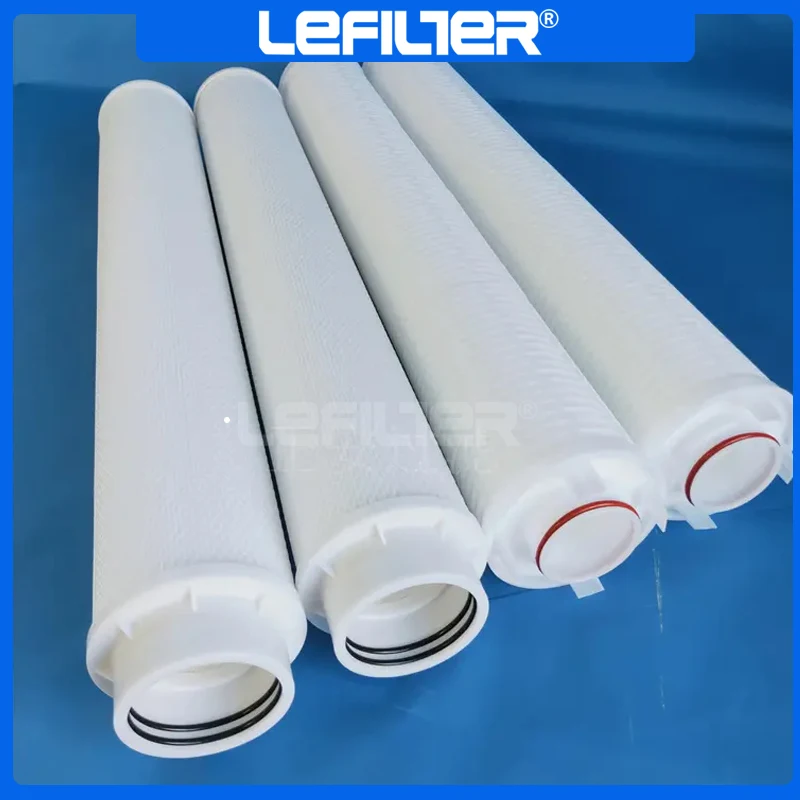
1. Optimize the pretreatment link
Coarse filter setting
It is very necessary to install a coarse filter device before water enters the large-flow water filter element. The coarse filter can intercept larger particles of impurities, such as silt, rust fragments, algae, etc. If these large particles of impurities directly enter the large-flow water filter element, they will quickly block the surface of the filter element, reduce the filtration efficiency of the filter element, and shorten its service life.
For example, in industrial circulating water systems, using a stainless steel filter with a larger pore size as a coarse filter can remove most impurities larger than 100 microns, thereby reducing the burden on large-flow water filters.
Sedimentation and coagulation treatment
For water containing more suspended particles and colloids, sedimentation and coagulation treatment are effective pretreatment methods. By adding a suitable coagulant, the suspended particles and colloids in the water can be condensed into larger particles and then settled in the sedimentation tank.
Taking tap water treatment as an example, alum is added to the raw water as a coagulant, and the tiny particles in the water will adsorb each other to form flocculent precipitation, reducing the number of impurities that need to be treated by the subsequent large-flow water filter element, creating better working conditions for the filter element.
2. Reasonable control of operating parameters
Flow control
Strictly operating in accordance with the rated flow range of the large-flow water filter element is the key to extending its life. If the water flow rate is too fast and exceeds the design flow of the filter element, the impurities in the water will accumulate on the surface of the filter element in a short time, causing the filter element to be blocked.
The water flow entering the filter element can be accurately controlled by installing a flow control valve. For example, in the reclaimed water reuse system of a sewage treatment plant, the flow control valve is reasonably adjusted according to the rated flow of the filter element and the actual treated water volume to ensure that water passes through the filter element at an appropriate speed.
Pressure control
Monitoring and controlling the pressure of the filtration system is also crucial to extending the life of the filter element. Excessive pressure will cause the filter element to bear too much load, which may cause the filter element to deform, rupture, or damage the seal.
Install a pressure sensor in the system and set a reasonable pressure alarm value. When the pressure is close to the limit that the filter element can withstand, take timely measures, such as cleaning or replacing the pre-filter, adjusting the water pump power, etc., to reduce the system pressure.
3. Correct installation and maintenance
Correct installation
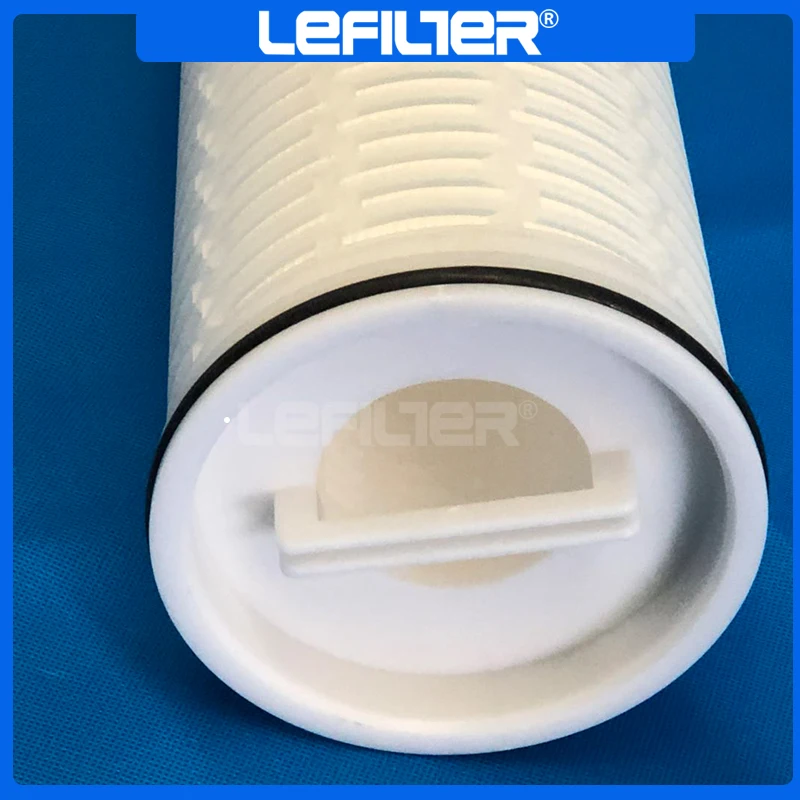
The large-flow water filter element must be installed in the correct direction. The filter element usually has clear water inlet and outlet markings. Incorrect installation will lead to poor filtering effect and increase the risk of filter element damage.
In addition, during the installation process, ensure that the filter element is tightly connected to the filter to avoid water leakage. The installer should use appropriate tools to tighten the connection parts according to the specified torque to prevent damage to the filter element due to improper installation.
Regular maintenance
Regular inspection and maintenance of large-flow water filter elements is an important measure to extend their life. According to the water quality and usage, regularly check the appearance of the filter element to check for signs of damage, deformation or blockage.
For washable filter elements, clean them according to the specified cleaning cycle and cleaning method. Generally, backwashing is used to flush the filter element from the water outlet to the water inlet with clean water to remove impurities attached to the surface of the filter element. After cleaning, ensure that the filter element is completely dry before installation and use.
4. Water quality monitoring and improvement
Water quality monitoring
Establish a complete water quality monitoring system and regularly test the water quality of the inlet and outlet water. By analyzing the water quality data, you can timely understand the type and content of impurities in the water, so as to take measures to protect the filter element in advance.
For example, monitor the microbial content in the water. If you find that the microorganisms are multiplying in large numbers, you may need to add disinfectants or take other sterilization measures to prevent the microorganisms from growing on the surface of the filter element and clogging the filter element.
Water quality improvement
According to the water quality monitoring results, take corresponding water quality improvement measures. For example, for water with high hardness, softening treatment can be used to reduce the content of calcium and magnesium ions in the water and reduce the possibility of scale deposition on the surface of the filter element.
In some special industrial water treatment, ion exchange resins and other methods can also be used to remove specific ions in the water, so that the water quality is more in line with the working requirements of the filter element, thereby extending the service life of the filter element.

5. Good storage environment
Dry ventilation
When the large-flow water filter element is not in use temporarily, it should be stored in a dry and well-ventilated environment. A humid environment is prone to mold growth in the filter element, and poor ventilation will cause the filter element to absorb odors or be corroded.
The filter element can be placed in a sealed container with a desiccant, or stored on a well-ventilated warehouse shelf, avoid placing it directly on the ground to prevent moisture.
Avoid pollution
The storage place should be kept clean to prevent dust, oil and other pollutants from contacting the filter element. Before storage, the filter element can be wrapped with a clean plastic film or packaging bag to prevent external impurities from entering the filter element.
Through the above methods, the service life of the large-flow water filter element can be effectively extended, ensuring that it can play the best filtering performance in the water treatment system, and at the same time, it can save equipment replacement costs for enterprises and improve system operation efficiency.