Introduction
Polypropylene (PP) Microporous Pleated Filters are a staple in modern filtration technology, offering high efficiency and reliability across various industries. These filters are designed to provide superior contaminant removal while maintaining optimal flow rates and low pressure drops. This article explores the product description, working principles, components, technical specifications, and application fields of PP Microporous Pleated Filters, highlighting their significance in different sectors.
Product Description
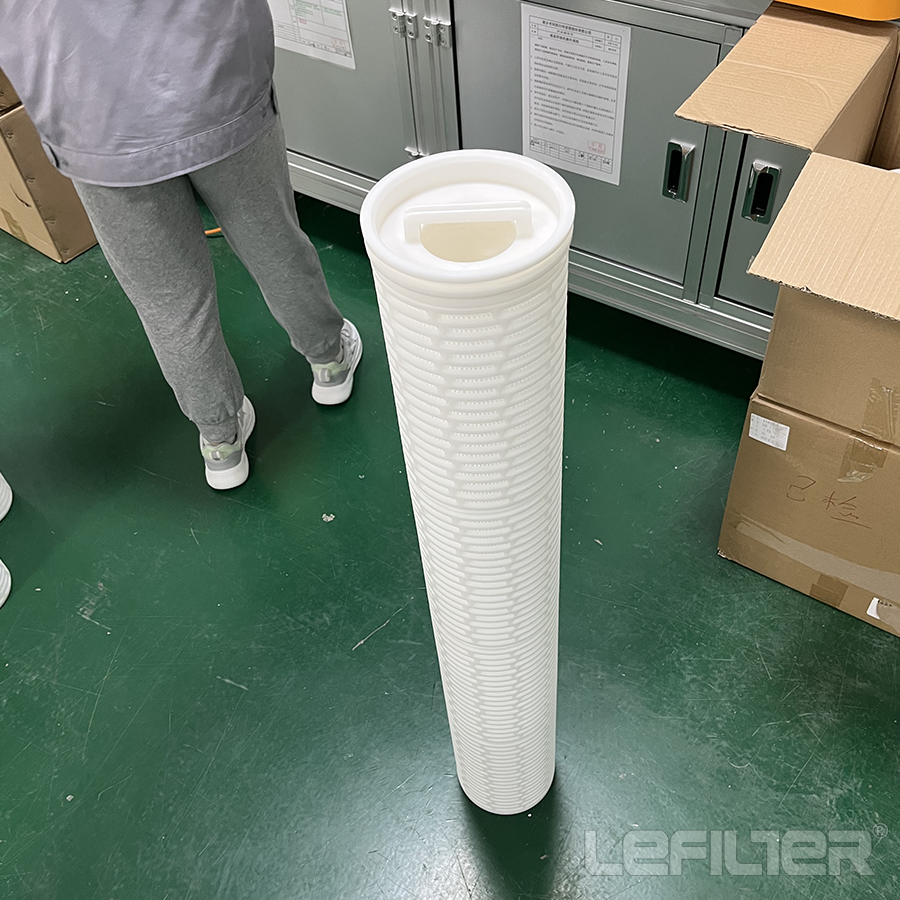
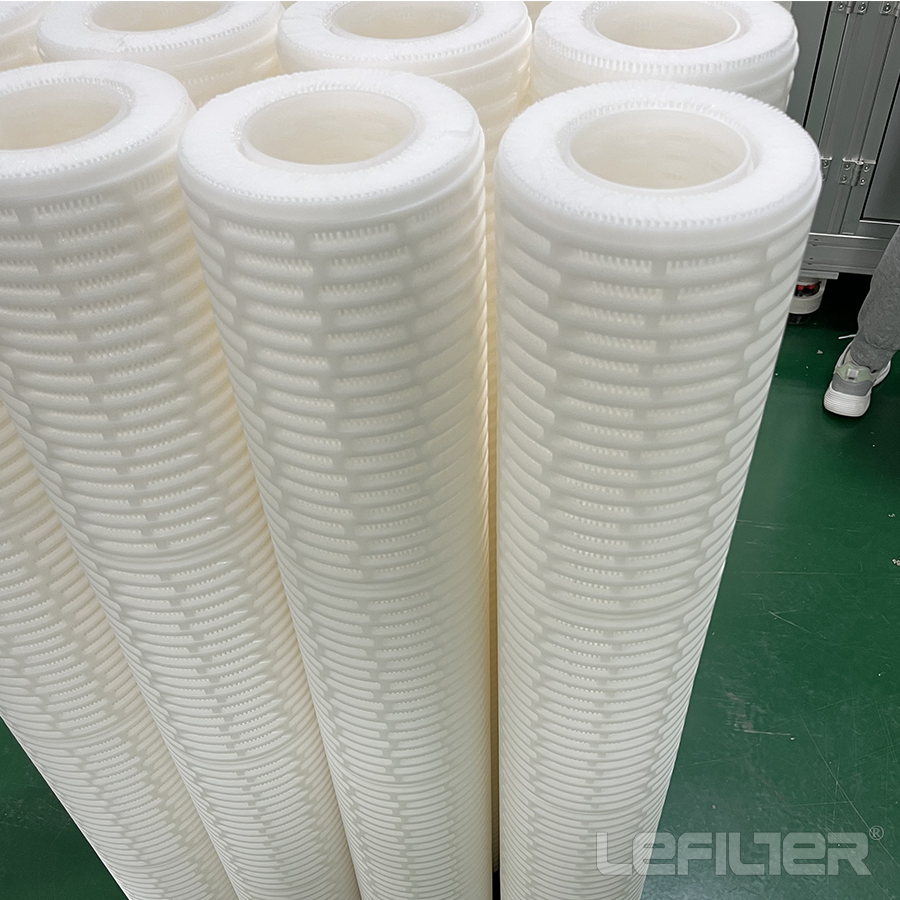
PP Microporous Pleated Filters are advanced filtration devices made from polypropylene, known for their high chemical resistance and durability. These filters are characterized by their pleated design, which maximizes the surface area for filtration, enhancing contaminant retention and extending the filter life. They are widely used in applications that require precise filtration of liquids and gases, such as water treatment, pharmaceuticals, food and beverage, and electronics manufacturing.
Working Principle
The working principle of PP Microporous Pleated Filters is based on depth filtration and surface filtration, where contaminants are captured throughout the entire depth of the filter media as well as on its surface. Here’s a detailed breakdown of how these filters function:
- Contaminated Fluid Intake: The fluid or gas enters the filter housing and flows through the pleated filter cartridge.
- Depth and Surface Filtration: The pleated filter media, composed of microporous polypropylene, traps contaminants of varying sizes both on the surface and within the depth of the media. This dual-action filtration ensures high contaminant retention and efficiency.
- Flow Distribution: The pleated design ensures even flow distribution across the entire filter media, preventing channeling and maximizing the filter’s effective surface area.
- Clean Fluid Discharge: The filtered fluid or gas exits the cartridge, free from contaminants, and is ready for further processing or use.
- Periodic Maintenance: The high contaminant-holding capacity of the filters reduces the frequency of replacements and maintenance, optimizing operational efficiency.
Product Composition
PP Microporous Pleated Filters are composed of several key components that contribute to their exceptional performance:
- Filter Media: The core of the cartridge, made from microporous polypropylene, provides high contaminant retention, chemical resistance, and mechanical strength. The media is designed in a pleated structure to maximize the filtration surface area.
- Support Layers: Additional layers that provide structural integrity and support to the pleated filter media, ensuring durability under high flow and pressure conditions.
- Core and Cage: The inner core and outer cage, typically made from polypropylene or other high-strength materials, provide structural support and protect the filter media from mechanical damage.
- End Caps: Made from robust materials, the end caps seal the filter media and ensure a secure fit within the filter housing, preventing bypass and ensuring all fluid passes through the filter media.
- O-Rings and Seals: These components ensure a leak-proof seal between the filter cartridge and the housing, maintaining filtration efficiency and preventing contamination.
Technical Specifications
PP Microporous Pleated Filters come with a range of technical specifications tailored to meet diverse application needs. Key specifications include:
- Filtration Efficiency: High filtration efficiency, typically rated at 99.9%, ensuring the removal of particles as small as 0.1 microns.
- Flow Rate: Capable of handling high flow rates, making them suitable for various industrial and commercial applications.
- Dirt-Holding Capacity: High contaminant-holding capacity, reducing the frequency of filter replacements and maintenance.
- Pressure Drop: Low initial pressure drop, enhancing system efficiency and reducing energy consumption.
- Temperature and Chemical Resistance: Designed to operate within a wide temperature range (typically -20°C to 80°C) and resistant to various chemicals, ensuring durability and reliability in harsh environments.
- Dimensions: Available in various lengths and diameters to fit different filter housings and accommodate various flow requirements.
Application Fields
PP Microporous Pleated Filters are versatile and used across multiple industries where precise and reliable filtration is essential. Here are some common application fields:
- Water Treatment: Used in municipal and industrial water treatment plants to remove suspended solids, bacteria, and other contaminants, ensuring the supply of clean and safe water.
- Pharmaceuticals: Employed in pharmaceutical manufacturing to filter process fluids, ensuring the purity of products and compliance with stringent regulatory standards.
- Food and Beverage: Ensures the purity of water and other fluids used in the production process, maintaining product quality and compliance with health and safety standards.
- Electronics Manufacturing: Used to filter ultrapure water and process chemicals, ensuring the production of high-quality electronic components free from contaminants.
- Chemical Processing: Filters various chemicals and solvents, protecting equipment from fouling and ensuring the quality of end products.
- Power Generation: Used in power plants to filter cooling water, boiler feed water, and lubricants, enhancing the efficiency and reliability of turbines and other critical equipment.
- Automotive: Filters fluids in various automotive manufacturing processes, protecting equipment and ensuring the quality of final products.
Conclusion
PP Microporous Pleated Filters are essential components in modern filtration systems, offering high efficiency, durability, and reliability across a wide range of applications. Their advanced design, high contaminant-holding capacity, and chemical resistance make them a preferred choice for industries that require precise and dependable filtration. By understanding their working principles, components, technical specifications, and application fields, industries can effectively implement PP Microporous Pleated Filters to enhance operational efficiency, reduce maintenance costs, and ensure product quality.