Introduction
Bag filters are a cornerstone of industrial filtration, offering a cost-effective and efficient solution for removing particulate contaminants from liquids and gases. Valued for their simplicity, versatility, and effectiveness, bag filters are widely used across diverse industries. This article provides an in-depth look at bag filters, including product description, working principles, components, technical specifications, and application fields.
Product Description
Bag filters are filtration devices that use permeable bags made from various materials to capture and remove particles from fluids. These filters are known for their high contaminant-holding capacity, ease of use, and adaptability to different filtration needs. Available in a range of sizes, materials, and configurations, bag filters are suitable for both low and high-flow applications, making them indispensable in industries such as water treatment, chemical processing, food and beverage, and pharmaceuticals.
Working Principle
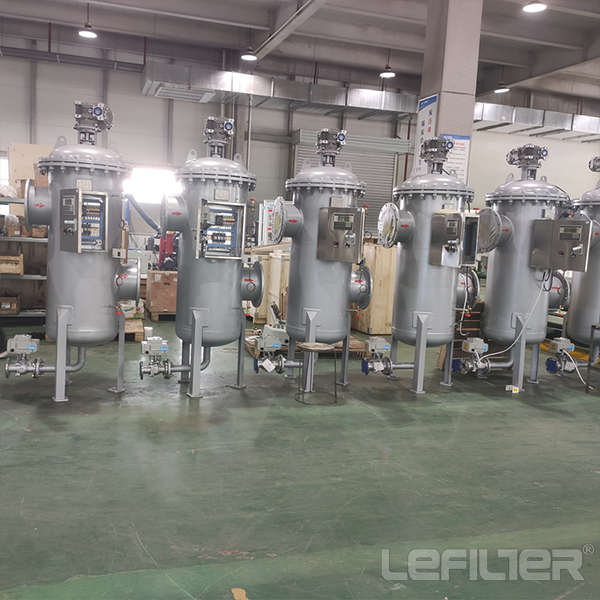
The working principle of bag filters is relatively straightforward and involves several key steps:
- Contaminated Fluid Intake: The fluid enters the filter housing and flows into the bag filter.
- Filtration Process: As the fluid passes through the filter bag, contaminants are trapped within the bag’s material. The clean fluid then exits through the outlet, leaving behind the captured particles.
- Collection and Disposal: The filter bag, now containing the contaminants, can be easily removed and replaced, ensuring minimal downtime and maintenance.
- Periodic Maintenance: Regular inspection and replacement of filter bags are necessary to maintain filtration efficiency and prevent clogging.
Product Composition
Bag filters are composed of several essential components that contribute to their effective performance:
- Filter Bag: The core component, made from materials such as polyester, polypropylene, nylon, or PTFE. The choice of material depends on the application’s specific requirements, including chemical compatibility and temperature resistance.
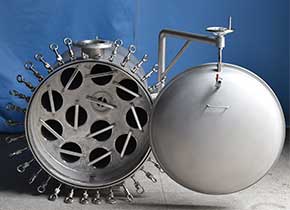
- Filter Housing: A robust container, typically made from stainless steel, carbon steel, or plastic, that holds the filter bag and directs the flow of fluid through it. The housing is designed to withstand high pressures and provide a secure seal to prevent leaks.
- Support Basket: An internal basket that supports the filter bag, ensuring it maintains its shape and integrity under high flow conditions.
- Sealing Mechanism: Includes O-rings, gaskets, or clamps that ensure a tight seal between the filter bag and the housing, preventing fluid bypass and ensuring all fluid passes through the filter media.
- Inlet and Outlet Ports: Provide connections for the fluid to enter and exit the filter housing, designed to facilitate easy installation and maintenance.
Technical Specifications
Bag filters come with a variety of technical specifications designed to meet the needs of different applications. Here are some of the key technical parameters:
- Filtration Efficiency:
- Micron Ratings: Available in a wide range of micron ratings, typically from 1 micron to 200 microns, allowing for the removal of both fine and coarse particles.
- Efficiency: High filtration efficiency, often rated at 90-99% for the specified micron size.
- Flow Rate:
- Capable of handling different flow rates, depending on the size and design of the filter. Standard flow rates can range from 10 gallons per minute (GPM) to several hundred GPM, making them suitable for both low and high-flow applications.
- Dirt-Holding Capacity:
- High dirt-holding capacity, which reduces the frequency of bag changes and maintenance. This capacity varies based on the filter bag size and the nature of the contaminants.
- Pressure Rating:
- Designed to operate under various pressure conditions. Typical pressure ratings range from 50 psi to 150 psi, but heavy-duty models can handle even higher pressures.
- Temperature Resistance:
- Depending on the material of the filter bag and housing, bag filters can operate in a wide temperature range. Common materials like polyester and polypropylene are suitable for temperatures up to 200°F (93°C), while specialty materials like PTFE can handle temperatures up to 500°F (260°C).
- Material Compatibility:
- Filter Bags: Made from materials such as polyester, polypropylene, nylon, and PTFE to ensure chemical compatibility with different fluids.
- Filter Housing: Typically constructed from stainless steel, carbon steel, or durable plastics to withstand various chemical environments and mechanical stresses.
- Dimensions:
- Available in various sizes to fit different filter housings. Common sizes include standard #1, #2, #3, and #4 filter bags, with #1 and #2 being the most widely used in industrial applications.
- Seal Type:
- Different sealing mechanisms are used to prevent fluid bypass, including O-rings, gaskets, and clamp closures, ensuring a secure fit and reliable performance.
- performance.
Application Fields
Bag filters are versatile and widely used across numerous industries due to their flexibility, efficiency, and ease of use. Here are some common application fields:
- Water Treatment:
- Municipal and industrial water treatment plants use bag filters to remove suspended solids, sediment, and other contaminants, ensuring the supply of clean and safe water.
- Chemical Processing:
- Used to filter process fluids, protecting equipment from fouling, ensuring product purity, and preventing contamination. Ideal for applications involving acids, bases, solvents, and other chemicals.
- Food and Beverage:
- Ensures the purity of water, juices, syrups, and other liquids used in the production process. Bag filters help maintain product quality and comply with health and safety standards.
- Pharmaceuticals:
- Employed in pharmaceutical manufacturing to filter process fluids, ensuring the purity of products and compliance with stringent regulatory standards. Critical for applications requiring high-purity water and solvents.
- Oil and Gas:
- Used to remove particulates from drilling fluids, completion fluids, and produced water, protecting downstream equipment and improving process efficiency.
- Automotive:
- Filters fluids in various automotive manufacturing processes, including paint, coatings, and lubricants, ensuring product quality and protecting equipment from wear and contamination.
- Power Generation:
- Used in power plants to filter cooling water, boiler feed water, and lubricants, enhancing the efficiency and reliability of turbines and other critical equipment.
- Electronics Manufacturing:
- Filters ultrapure water and process chemicals, ensuring the production of high-quality electronic components free from contaminants.
- Metals and Mining:
- Used to filter process water and other fluids, protecting equipment from abrasion and ensuring the quality of metal products.
- Paints and Coatings:
- Ensures the removal of impurities from paints, varnishes, and coatings, maintaining product consistency and quality.
Conclusion
Bag filters are indispensable in modern filtration systems, offering a high degree of efficiency, versatility, and reliability. Their wide range of technical specifications and adaptability to various application fields make them a preferred choice for industries that require precise and dependable filtration. Understanding their technical parameters and application areas allows industries to effectively utilize bag filters to enhance operational efficiency, reduce maintenance cost.