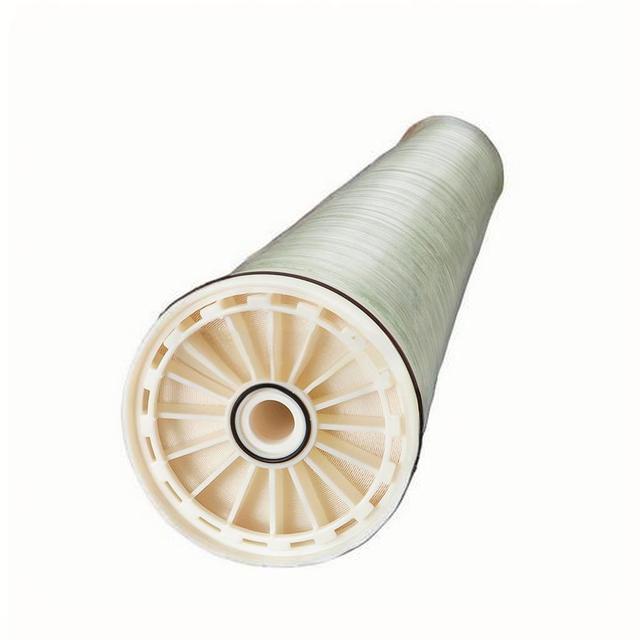
Reverse Osmosis (RO) membranes are at the forefront of water purification technology, providing unparalleled efficiency in removing contaminants from water. As the demand for clean water continues to rise, RO membranes are becoming increasingly essential in various applications, from residential water filtration to large-scale industrial processes. This article delves into the product description, working principles, components, technical specifications, and application fields of RO membranes.
Product Description
Reverse Osmosis membranes are thin, semi-permeable barriers designed to remove a wide range of impurities from water. These membranes are capable of rejecting particles, ions, and molecules, ensuring that the water produced is of the highest purity. RO membranes are widely recognized for their effectiveness in desalination, water softening, and removal of harmful contaminants such as heavy metals, bacteria, and viruses. Their versatility and reliability make them indispensable in both domestic and industrial water treatment systems.
Working Principle
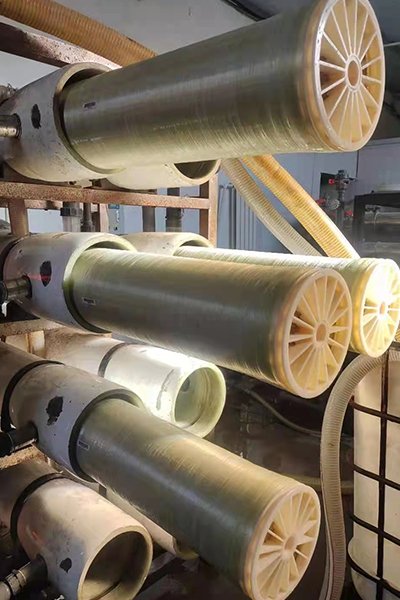
The working principle of RO membranes is based on the process of reverse osmosis, where water is forced through a semi-permeable membrane under high pressure. Here’s a step-by-step explanation of how it works:
- Water Intake: Feed water, containing various contaminants, is introduced into the RO system.
- Pressurization: A high-pressure pump increases the pressure of the feed water, overcoming the natural osmotic pressure and forcing the water through the RO membrane.
- Membrane Filtration: The semi-permeable RO membrane allows only water molecules to pass through while rejecting larger particles, ions, and contaminants. This process effectively separates the purified water (permeate) from the concentrated contaminants (reject or brine).
- Permeate and Reject Streams: The purified water is collected on the permeate side of the membrane, while the concentrated reject stream is discharged.
- Post-Treatment: The permeate may undergo additional treatment, such as UV sterilization or pH adjustment, to ensure it meets specific quality standards.
Product Composition
RO membranes are composed of several key components that work together to achieve efficient water purification:
- Thin-Film Composite (TFC) Layer: The active layer of the RO membrane, typically made of polyamide, which is responsible for the selective removal of contaminants. TFC membranes are known for their high rejection rates and durability.
- Support Layer: Provides structural integrity to the thin-film composite layer, ensuring it can withstand high pressures and maintain its performance over time.
- Feed Spacer: A mesh-like layer that creates turbulence in the feed water, reducing fouling and enhancing the overall efficiency of the RO process.
- Permeate Carrier: A porous layer that collects the purified water on the permeate side of the membrane and directs it to the permeate outlet.
- Membrane Housing: Encases the RO membrane elements, providing protection and facilitating easy installation and maintenance.
Technical Specifications
RO membranes come with a range of technical specifications tailored to meet diverse application requirements. Key specifications include:
- Salt Rejection Rate: Typically between 95% to 99.5%, indicating the membrane’s efficiency in removing dissolved salts and other contaminants.
- Flow Rate: The rate at which purified water is produced, often measured in gallons per day (GPD) or liters per hour (LPH). Higher flow rates are suitable for industrial applications, while lower flow rates are ideal for residential use.
- Operating Pressure: The pressure required to achieve optimal performance, usually ranging from 150 to 800 psi (pounds per square inch).
- Recovery Rate: The percentage of feed water converted into permeate, with higher recovery rates indicating more efficient water usage.
- Temperature and pH Range: RO membranes are designed to operate within specific temperature (usually 5°C to 45°C) and pH (typically 2 to 11) ranges, ensuring durability and consistent performance.
Application Fields
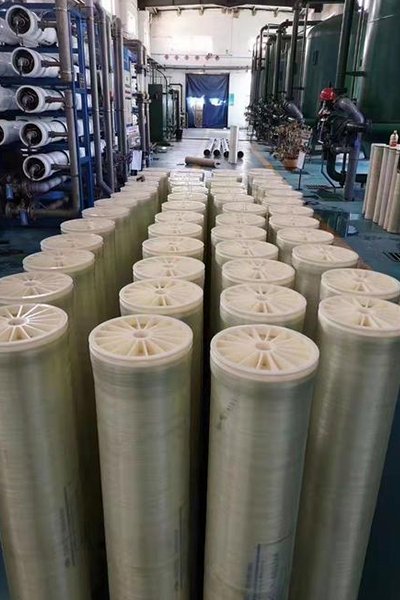
RO membranes are versatile and used across multiple industries where high-quality water is essential. Here are some common application fields:
- Residential Water Filtration: RO membranes are widely used in home water purification systems to provide safe, clean drinking water by removing contaminants such as lead, chlorine, and bacteria.
- Industrial Water Treatment: In industries such as food and beverage, pharmaceuticals, and electronics manufacturing, RO membranes ensure the purity of process water, enhancing product quality and ensuring compliance with regulatory standards.
- Desalination: RO membranes are the cornerstone of seawater desalination plants, converting seawater into potable water by removing salts and other impurities.
- Healthcare: Hospitals and laboratories use RO membranes to produce high-purity water for medical procedures, dialysis, and laboratory experiments.
- Agriculture: RO-treated water is used in hydroponics and irrigation to provide optimal growing conditions for crops, free from harmful salts and contaminants.
- Power Generation: Power plants use RO membranes to purify boiler feed water and cooling water, preventing scale buildup and corrosion in critical equipment.
Conclusion
Reverse Osmosis membranes are vital components in modern water treatment systems, offering efficient and reliable purification solutions across a wide range of applications. Their advanced technology, robust construction, and high-performance capabilities make them indispensable for ensuring the availability of clean, safe water. By understanding their working principles, components, technical specifications, and application fields, industries and households alike can effectively utilize RO membranes to enhance water quality and safeguard health and environmental standards.