Product Introduction
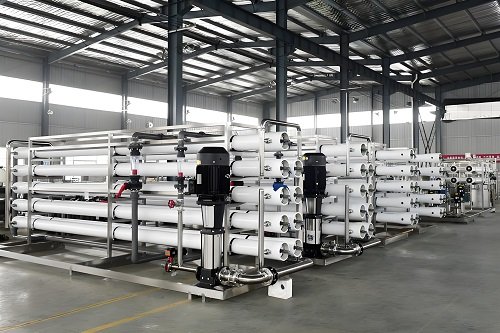
Reverse osmosis (RO) systems have become indispensable in modern water management, combining nanoscale membrane technology with intelligent engineering to address critical water treatment needs. From industrial processes demanding ultrapure water to communities reliant on desalination, these systems redefine efficiency and reliability. This article explores the technical foundations, diverse applications, and evolving innovations that position RO as a cornerstone of sustainable water solutions.
The Technical Architecture of RO Systems
- Pretreatment Protocol: Raw water undergoes multi-media filtration to remove sediments, activated carbon adsorption to eliminate chlorine and organics, and security filtration (5-micron cartridges) to prevent membrane fouling. This stage is critical—neglecting pretreatment can reduce membrane lifespan by 50%.
- Pressurized Separation: A high-pressure pump (150–600 psi) drives water through the membrane, where osmotic pressure is overcome. Purified water (permeate) passes through, while concentrated brine (reject) is discharged. Single-stage RO achieves ≥97% salt rejection; double-stage configurations reach ≥99.5%.
- Post-treatment Refinement: Optional steps like UV sterilization, pH adjustment, or deionization tailor water quality for specific uses, such as pharmaceutical-grade purity or potable standards.
Industrial and Municipal Applications
A. Semiconductor and Electronics Manufacturing
B. Wastewater Reclamation in Textiles
C. Desalination for Island Communities
D. Pharmaceutical Water for Injection (WFI)
Performance Metrics and Operational Advantages
A. Efficiency Benchmarks
- Salt Rejection: Standard membranes achieve >99.5% NaCl rejection; specialized designs for high-silica water reach >99.8% SiO₂ removal.
- Water Recovery: Brackish water systems typically recover 75–85%; seawater RO operates at 35–50% to prevent scaling.
- Energy Consumption: Modern systems use pressure exchangers to reduce energy use to 0.6–1.2 kWh/m³ for brackish water, 3.5–5 kWh/m³ for seawater.
B. Cost-Effectiveness
C. Smart Automation
Technical Specifications and Design Flexibility
- Membrane Configurations: Spiral-wound elements (8″ diameter, 40″ length) with 37–40 m² surface area; hollow fiber modules for high-flux applications.
- Material Options: 316L stainless steel for corrosive environments; FRP vessels for cost-sensitive projects.
- Scalability: Modular designs range from 0.25 m³/h (laboratory systems) to 250 m³/h (municipal plants), with containerized solutions for rapid deployment.
Innovations Shaping the Future
Technology
A. Nanocomposite Membranes
B. Energy Recovery Systems
C. Digital Twins and Predictive Maintenance
Conclusion
Reverse osmosis systems have evolved from niche technologies to essential components of global water security. Their ability to deliver high-purity water efficiently, combined with ongoing innovations in materials science and digital integration, ensures they will play a pivotal role in addressing water scarcity, industrial sustainability, and climate resilience. As demands for clean water intensify, RO systems—supported by smarter designs and greener operations—will continue to redefine the boundaries of water treatment excellence.
If you are interested in this product or have any questions, please feel free to contact us at any time.