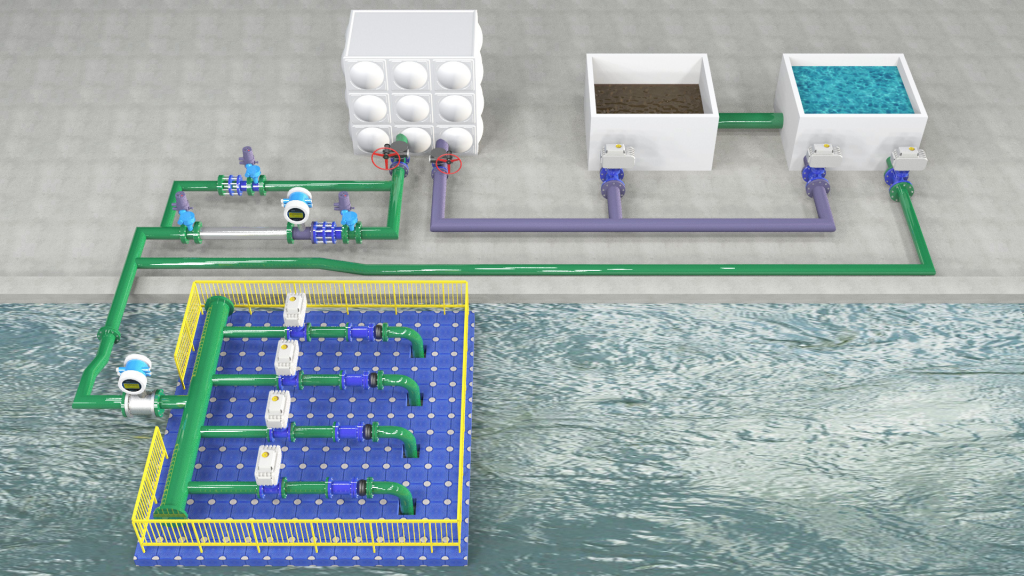
The service life of ultrafiltration equipment is affected by many factors. The following is a specific analysis:
- Membrane material
Polysulfone membrane
Under normal operating conditions, the service life of polysulfone membrane is generally 3-5 years. If it is in a relatively mild water quality environment, such as municipal drinking water treatment with good pretreatment, its service life may be close to 5 years. However, if the water quality is complex and contains more organic matter, oxidizing substances or microorganisms, the performance of the membrane may decline rapidly and the service life may be shortened to about 3 years.
Polyethersulfone membrane
Polyethersulfone membranes usually have good anti-pollution ability. In general water treatment applications, their service life can reach 5-7 years. However, when faced with high concentrations of chemical pollutants or frequent chemical cleaning, the chemical structure of the membrane may be damaged to a certain extent, resulting in a reduction in service life, which may be reduced to 4-5 years.
Ceramic membrane
Ceramic membranes have a long service life due to their excellent chemical stability and mechanical strength. Under appropriate operating and maintenance conditions, the service life of ceramic membranes can reach 8-10 years or even longer. However, the initial investment cost of ceramic membranes is high. If they are subjected to large physical impacts during operation or run for a long time under extreme conditions such as high temperature, high acidity and alkali, the membrane may be damaged, which will affect its service life.
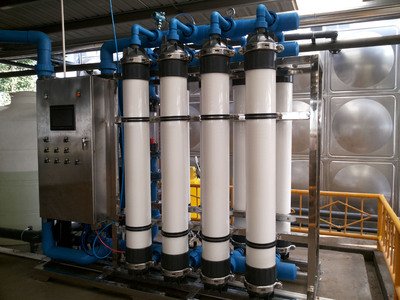
- Operating conditions
Pressure
When the ultrafiltration equipment is in operation, if the operating pressure exceeds the rated pressure of the membrane assembly for a long time, it will accelerate the compaction and damage of the membrane. For example, for an ultrafiltration membrane with a rated pressure of 0.3MPa, if it is operated at 0.4MPa or even higher pressure for a long time, the service life of the membrane may be shortened from the normal 5 years to 2-3 years. This is because excessive pressure will deform the membrane pores, resulting in a decrease in the retention performance of the membrane.
Temperature
Different ultrafiltration membranes have their appropriate operating temperature range. Generally speaking, the suitable temperature of most ultrafiltration membranes is between 5-45°C. If the operating temperature is too high, it will affect the physical and chemical properties of the membrane and reduce the service life of the membrane. For example, in high-temperature industrial wastewater treatment, if the temperature exceeds 50°C for a long time, the life of the membrane may be shortened by 1-2 years. When the temperature is too low, the viscosity of the water may increase, affecting the filtration flux and the long-term performance of the membrane.
Water quality
The quality of raw water has a significant impact on the service life of ultrafiltration equipment. If the raw water contains a large amount of suspended solids, colloids, organic matter and microorganisms, it will lead to increased membrane pollution. For example, if the surface water without pretreatment directly enters the ultrafiltration equipment, the impurities such as silt and algae will quickly deposit on the membrane surface, which may shorten the membrane cleaning cycle from the normal 3-6 months to 1-2 months. Frequent cleaning will gradually reduce the performance of the membrane, thereby reducing the service life of the membrane, which may shorten the original 5-year life to 3-4 years.
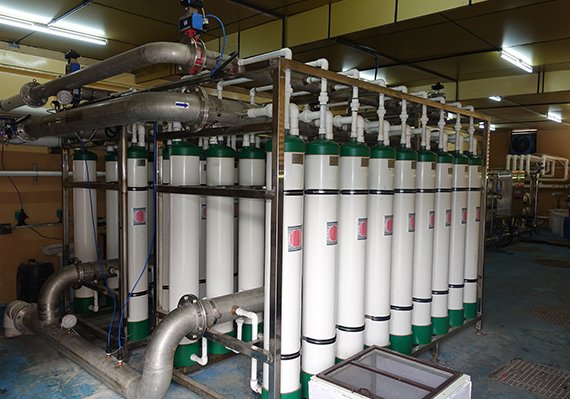
- Cleaning and maintenance
Cleaning frequency
The appropriate cleaning frequency helps maintain the performance of the ultrafiltration equipment. If the cleaning frequency is too low, membrane pollution will continue to accumulate, resulting in a decrease in membrane flux and a shortened service life. For example, for ultrafiltration equipment that treats sewage, if it is not cleaned in time when it should be cleaned every 3 months, the service life of the membrane may be shortened by 1-2 years. On the contrary, if the cleaning frequency is too high, especially when chemical cleaning is used, the cleaning agent may cause chemical damage to the membrane.
Cleaning method
If physical cleaning is not performed properly, such as using too high a backwash pressure, it may cause physical damage to the membrane and affect the integrity of the membrane. When chemically cleaning, choosing an inappropriate cleaning agent or using too high a concentration of the cleaning agent will corrode the membrane material and shorten the life of the membrane. For example, using a strong oxidizing chemical to clean an oxidation-sensitive membrane may reduce the life of the membrane by 1-2 years.
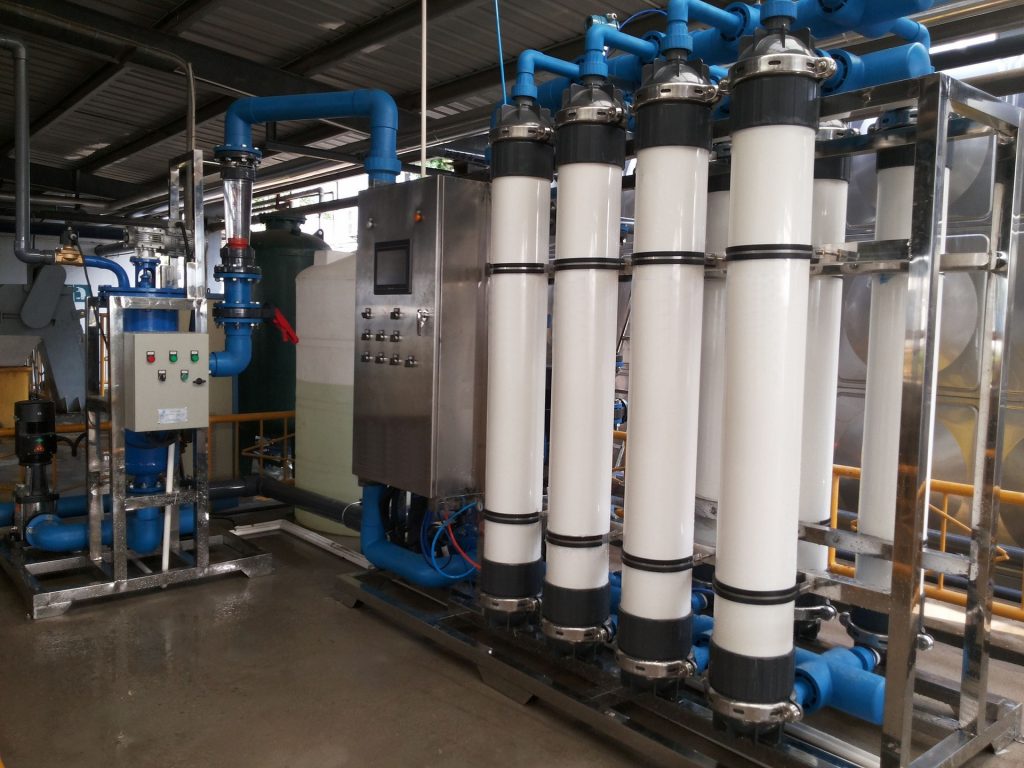
- Equipment supporting facilities
Pretreatment system
A perfect pretreatment system can effectively remove most of the impurities in the raw water and reduce the burden on the ultrafiltration membrane. For example, setting up pretreatment processes such as sand filtration and activated carbon adsorption before the ultrafiltration equipment can greatly reduce the content of suspended solids and organic matter entering the ultrafiltration membrane. If the pretreatment system is not perfect, the ultrafiltration membrane will be more seriously contaminated, thereby shortening its service life.
Post-treatment system
The post-treatment system also has a certain impact on the service life of the ultrafiltration equipment. For example, if there is no appropriate disinfection measure after ultrafiltration, microorganisms may grow on the surface of the ultrafiltration membrane, affecting the performance of the membrane. If the post-treatment system can effectively inhibit the growth of microorganisms, such as using ultraviolet disinfection or adding an appropriate amount of disinfectant, it will help extend the service life of the ultrafiltration equipment.
The service life of ultrafiltration equipment generally ranges from 3 to 10 years, depending on many factors such as membrane material, operating conditions, cleaning and maintenance, and equipment supporting facilities.