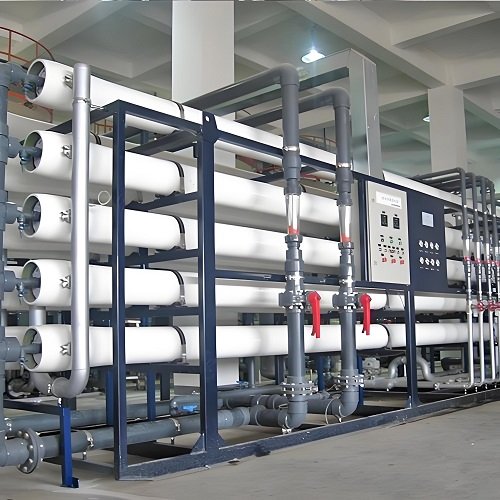
Reverse Osmosis Systems: Redefining Water Purification for a Sustainable Future

Reverse Osmosis Systems: Redefining Water Purification for a Sustainable Future

Product Introduction

Reverse osmosis (RO) systems have emerged as a transformative solution in the global quest for clean and sustainable water resources. These systems leverage cutting-edge membrane technology to address complex water treatment challenges across various sectors, from industrial manufacturing to municipal water supply and beyond. This comprehensive analysis delves into the technical intricacies, diverse applications, and performance advantages of RO systems, while also exploring their role in shaping a more water – secure future.

The Fundamental Mechanics of RO Systems

At the heart of an RO system is the reverse osmosis membrane, a semi – permeable barrier engineered from advanced polymeric materials such as aromatic polyamide composites. These membranes possess nanoscale pores, typically ranging from 0.5 to 10 nanometers in diameter. This unique structure allows water molecules to pass through under sufficient pressure while effectively rejecting dissolved salts, colloidal particles, organic matter, and other contaminants.
The operation of an RO system follows a well – defined sequence:
  • Pretreatment Phase: Raw water undergoes a series of pre – treatment processes. Multi – media filtration removes large sediment particles, activated carbon filtration adsorbs organic compounds and residual chlorine, and security filtration acts as a final barrier against fine particles. This pre – treatment is crucial as it prevents membrane fouling, which can significantly reduce the system’s efficiency and lifespan.
  • Pressurization and Membrane Separation: A high – pressure pump forces the pretreated water towards the RO membrane. As the water is pressurized, it overcomes the natural osmotic pressure, and water molecules permeate the membrane. This process results in two distinct streams: the permeate, which is the purified water, and the brine, which contains the concentrated contaminants that have been rejected by the membrane.
  • Post – treatment (Optional): Depending on the end – use requirements, post – treatment steps such as UV sterilization for microbial disinfection or pH adjustment may be employed to further refine the water quality.

Wide – Ranging Applications of RO Systems

Industrial Pure Water Production
In industries like electronics, pharmaceuticals, and food and beverage manufacturing, the need for ultrapure water is paramount. RO systems, especially double – stage configurations, can produce water with a conductivity as low as 2 μs/cm. This level of purity is essential for semiconductor fabrication, where even the slightest impurity can disrupt the manufacturing process, and for pharmaceutical production, where the quality and safety of drugs depend on the purity of the water used in formulation.
Wastewater Reclamation and Recycling
Industries such as textiles, chemicals, and power generation generate substantial volumes of wastewater. RO systems play a vital role in wastewater reclamation by concentrating valuable substances (e.g., dyes in textile wastewater, solvents in chemical plant wastewater) and recycling water. This not only reduces the volume of wastewater discharged into the environment but also cuts down on operational costs by reusing water and recovering valuable materials.
Desalination for Potable Water
In coastal regions and areas facing water scarcity, RO systems are a game – changer for desalination. They can transform brackish water or seawater into potable water that meets World Health Organization (WHO) drinking water standards. By removing more than 99% of dissolved salts, these systems provide a reliable source of freshwater, helping to alleviate water shortages in arid and coastal communities.
Municipal Water Supply Enhancement
RO systems can complement traditional municipal water treatment processes. They are capable of removing trace contaminants that may remain after conventional treatment methods, ensuring that the water supplied to households and public facilities is of high quality and safe for consumption.

 Performance Advantages of RO Systems

High Desalination Efficiency
RO systems exhibit exceptional desalination capabilities. Single – stage RO membranes can achieve a salt rejection rate of at least 99%, and double – stage systems can reach even higher levels, resulting in water with extremely low conductivity. This high efficiency ensures that the purified water meets the stringent quality requirements of various applications.
Cost – Effectiveness in the Long Term
When compared to traditional ion – exchange systems, RO systems offer significant cost advantages. Ion – exchange systems require frequent resin regeneration, which involves the use of large amounts of chemicals and incurs substantial labor costs. RO systems, on the other hand, have lower chemical consumption and can achieve high water recovery rates (up to 75% in some cases). This not only reduces operational costs but also minimizes the environmental impact associated with wastewater discharge.
Stability and Automation
Modern RO systems are equipped with advanced Programmable Logic Controller (PLC) – based controls. These systems can automatically adjust to fluctuating raw water conditions, such as changes in pressure and contaminant levels. In the event of faults, such as abnormal pressure drops, the system can trigger automatic shutdowns, ensuring the consistent quality of the produced water and protecting the membrane from damage.
Compact and Customizable Design
RO systems are available in modular designs, which allow for easy scalability. They can be customized to fit a wide range of capacities, from small – scale systems with a capacity of 0.5 m³/h for small industrial or commercial applications to large – scale plants with a capacity of 150 m³/h for municipal water supply. The rack materials, such as stainless steel for corrosion resistance or epoxy – coated carbon steel for cost – effectiveness, can be selected based on specific site requirements.

Technical Specifications and Design Flexibility

Treatment Efficiency Parameters
For tap water sources, single – stage RO systems can produce water with a conductivity of ≤30 μs/cm, while double – stage systems can achieve a conductivity of ≤5 μs/cm. These parameters make RO systems suitable for a variety of applications, from industrial ultrapure water production to municipal water supply.
Operational Limits
To ensure optimal performance and longevity of the RO membrane, certain operational limits must be adhered to. The maximum feed water Silt Density Index (SDI) should be <5 to prevent excessive membrane fouling. The operating pressure can go up to 600 psi (41 bar), and the temperature should not exceed 35°C.
Customization and Scalability
RO systems offer a high degree of customization and scalability. They can be tailored to meet the specific needs of different applications, whether it is a small – scale industrial process or a large – scale municipal water treatment project. Membrane configurations, such as 1:1 or 2:1, can be adjusted, and rack materials can be chosen to balance cost and durability.

Future Trends in RO Technology

Membrane Innovations
Researchers are continuously exploring new membrane materials to enhance the performance of RO systems. Graphene – enhanced composite membranes, for example, show great potential. These membranes could potentially increase water flux, improve fouling resistance, and extend the lifespan of the membrane. This would lead to more efficient RO systems with reduced energy consumption and lower maintenance costs.
AI – Driven Optimization
The integration of Artificial Intelligence (AI) into RO systems is an emerging trend. AI – powered predictive maintenance can analyze real – time data from various sensors in the system, such as pressure, flow rate, and conductivity sensors. By identifying patterns and trends, AI can predict when membrane fouling is likely to occur and optimize the cleaning cycles accordingly. This would reduce system downtime, improve overall efficiency, and minimize energy consumption.
Sustainability – Focused Advancements
In line with global efforts to reduce carbon emissions and promote sustainability, future RO systems are likely to incorporate more energy – recovery devices. Pressure exchangers, for instance, can recover energy from the brine stream, reducing the overall energy consumption of the RO system by 30 – 40%. Additionally, hybrid systems that combine RO with other treatment technologies, such as UV disinfection or ozonation, are being explored to improve the removal of complex contaminants from challenging water sources.

Conclusion

Reverse osmosis systems represent a sophisticated and versatile solution for water purification. Their combination of high desalination efficiency, cost – effectiveness, stability, and customizability makes them an indispensable tool in addressing the world’s water treatment challenges. As technology continues to advance, with innovations in membrane materials, AI – driven optimization, and sustainability – focused designs, RO systems will play an even more crucial role in ensuring a sustainable supply of clean water for various applications, from industrial processes to municipal water supply and desalination. They are not just a solution for today’s water needs but a key enabler for a more water – secure and sustainable future.

If you are interested in this product or have any questions, please feel free to contact us at any time.

Scroll to Top