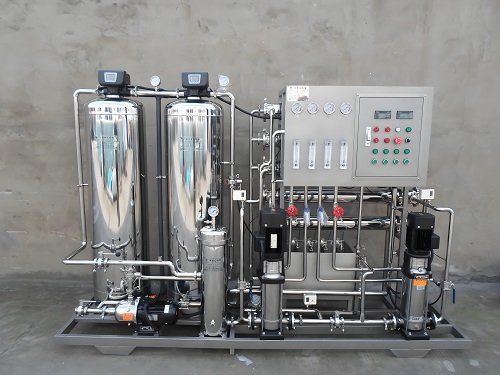
Product Introduction
Reverse osmosis (RO) systems stand as a transformative force in modern water treatment, revolutionizing how industries and communities access clean, purified water. Rooted in advanced membrane science and engineered for precision, these systems tackle complex water challenges across diverse sectors. This in – depth exploration dissects their core technology, wide – ranging applications, performance prowess, and future – forward innovations.
The Science Powering RO Systems
- Pretreatment Guardrails: Raw water first passes through multi – media filtration (to trap sediments), activated carbon filtration (to 吸附 organics and chlorine), and security filtration (to block fine particles). This trio safeguards the membrane from fouling, ensuring long – term reliability.
- Pressure – Driven Separation: A high – pressure pump then propels pretreated water toward the membrane. As water permeates the membrane, two streams emerge: “permeate” (purified water) and “brine” (concentrated contaminants).
- Post – treatment Refinement: Optional steps like UV sterilization or pH adjustment fine – tune water quality, tailoring it to end – uses — from ultrapure industrial processes to safe drinking water.
RO Systems in Action: Diverse Applications
- Industrial Ultrapure Water: In electronics (semiconductor fabrication) and pharmaceuticals (drug production), double – stage RO systems deliver water with conductivity as low as 2 μs/cm. This purity is non – negotiable for processes where even tiny impurities can derail outcomes.
- Wastewater Reclamation: Textile, chemical, and power plants use RO to recycle water. By concentrating valuable compounds (e.g., dyes, solvents) and slashing wastewater discharge, these systems cut costs and environmental harm.
- Desalination for Freshwater: In coastal or water – scarce regions, RO transforms brackish or seawater into potable water. Boasting 99%+ salt rejection, it meets WHO drinking water standards, turning unusable sources into lifelines.
- Municipal Water Enhancement: Complementing traditional treatment, RO removes trace contaminants from tap water, ensuring households and public facilities get clean, safe supplies.
Performance Edge: Why RO Systems Excel
- Unrivaled Desalination: Single – stage membranes achieve ≥99% salt rejection; double – stage systems push this to 99.5%+, dropping conductivity to ≤5 μs/cm. The result? Water pure enough for the most stringent applications.
- Cost – Efficient Operations: Unlike ion – exchange systems (which require frequent resin regeneration), RO slashes chemical use and wastewater discharge by up to 75%. High water recovery (up to 75%) keeps long – term costs in check.
- Stability Through Automation: PLC – controlled systems adapt to fluctuating raw water conditions (e.g., pressure, contaminant levels). Built – in fault detection (e.g., abnormal pressure drops) triggers shutdowns, ensuring consistent water quality.
- Compact, Customizable Design: Modular setups scale from 0.5 m³/h (small operations) to 150 m³/h (municipal plants). Rack materials (stainless steel for corrosion resistance, epoxy – coated carbon steel for cost – efficiency) adapt to diverse environments.
Technical Blueprint: Specifications and Flexibility
- Treatment Precision: For tap water, single – stage RO yields ≤30 μs/cm conductivity; double – stage systems hit ≤5 μs/cm — perfect for industrial and municipal needs.
- Operational Boundaries: Maximum feed water SDI (silt density index) <5, operating pressure up to 600 psi (41 bar), and temperature ≤35°C. These guardrails prevent membrane damage and ensure peak performance.
- Tailored Solutions: Systems scale to fit any demand, from small – batch industrial use to large – scale municipal supply. Membrane configurations (e.g., 1:1, 2:1) and rack materials align with site – specific needs, balancing cost and durability.
Future Horizons: Innovations Shaping RO
- Membrane Breakthroughs: Graphene – enhanced composites promise higher flux, better fouling resistance, and longer lifespans. These could slash energy use and maintenance costs, making RO even more efficient.
- AI – Enabled Optimization: Machine learning will predict fouling, optimizing cleaning cycles and minimizing downtime. Real – time data analytics (pressure, flow rates) will fine – tune system efficiency, reducing waste.
- Sustainability Upgrades: Energy – recovery devices (e.g., pressure exchangers) will cut energy use by 30–40%, aligning RO with global decarbonization goals. Hybrid systems (RO + UV, RO + ozonation) will tackle complex contaminants in challenging water sources.
Conclusion
Reverse osmosis systems blend scientific ingenuity, operational flexibility, and cost – effectiveness to solve critical water treatment puzzles. From powering industrial precision to securing municipal water supplies and enabling desalination, their impact is far – reaching. As innovation marches on — with smarter controls, advanced membranes, and greener designs — RO systems will remain at the forefront of water purification, paving the way for a more water – secure world.
If you are interested in this product or have any questions, please feel free to contact us at any time.