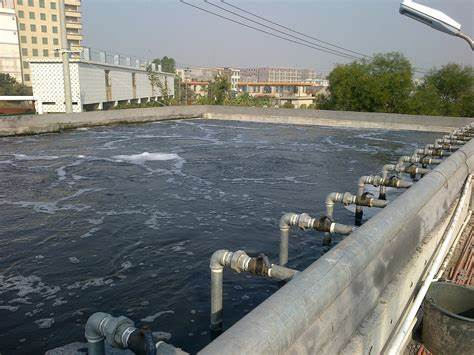
The high-flow water filter plays a vital role in the field of water treatment. It can effectively remove impurities, particles, suspended solids and other pollutants in the water, improve the quality of water, and ensure the normal operation of subsequent equipment and the smooth progress of the process. However, in order to ensure that the high-flow water filter can play its best performance and have a long service life, the following aspects need to be paid attention to during use.
Precautions before installation
(I) Filter inspection
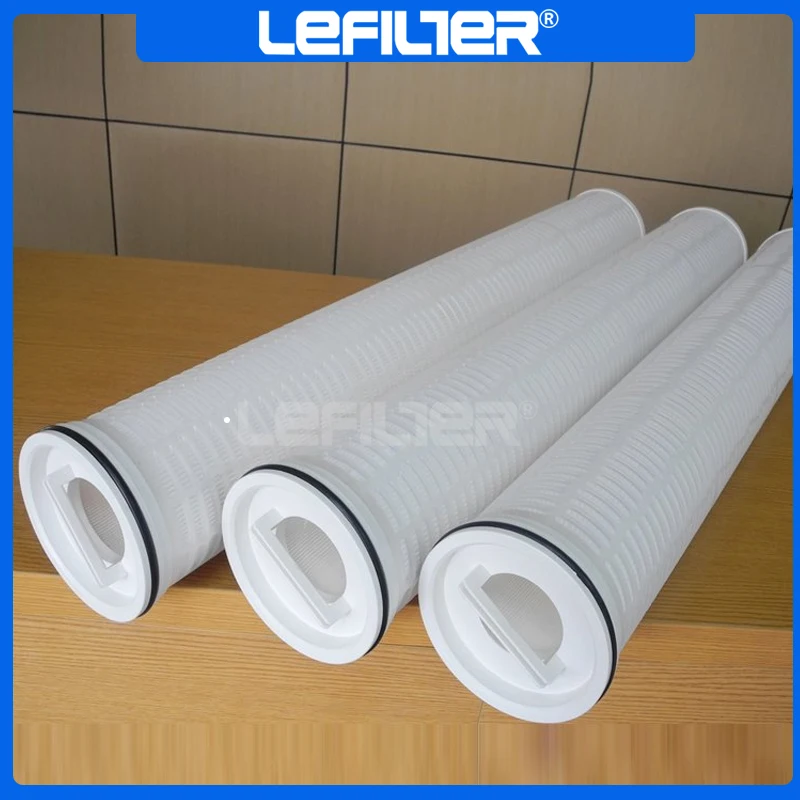
Before installing the high-flow water filter, the filter must be carefully inspected. Check whether the appearance of the filter is damaged, such as whether the filter paper is damaged or wrinkled, and whether the frame of the filter is deformed. Any defects in appearance may affect the filtering effect and service life of the filter. At the same time, check whether the model and specifications of the filter are consistent with the requirements to ensure that it can adapt to the corresponding filtration system.
(II) System cleaning
Before installing the filter, the internal cleanliness of the filtration system must be ensured. Impurities, particles and other pollutants remaining in the system may quickly clog the filter after the filter is put into use, reducing its filtration efficiency and service life. The system can be rinsed with clean water or a suitable detergent to remove internal dirt, rust and other impurities. For newly installed systems, strict cleaning and inspection are required to ensure that there are no foreign objects inside the system.
(III) Seal inspection
Large flow water filter elements are usually equipped with seals to ensure the sealing between the filter element and the filtration system and prevent unfiltered water from leaking from the connection between the filter element and the system. Before installation, check the integrity and elasticity of the seal to see if there is any aging, cracks or deformation. If there is a problem with the seal, it should be replaced in time to ensure a good sealing effect. At the same time, ensure that the seal is installed in the correct position to avoid damage to the seal during installation.
Precautions during installation
(I) Correct installation direction
Large flow water filter elements generally have clear installation direction markings, and must be installed strictly in the direction of the markings during installation. If the installation direction is wrong, the filtering effect of the filter element may be greatly reduced, and the filter element may even be damaged in a short time due to blockage or excessive pressure. For example, the water inlet and water outlet of some filter elements are designed differently. The water inlet usually uses a special structure to better disperse the water flow and withstand greater impact force, while the water outlet pays more attention to the smooth discharge of water. Therefore, the correct installation direction is the key to ensure the normal operation of the filter element.
(II) Careful operation
When installing the filter element into the filtration system, be careful to avoid collision or damage to the filter element. The filter paper of the filter element is its core filtering component, which is relatively fragile and may be damaged by external impact, thus affecting the filtration performance. You can use special tools or manually gently install the filter element in place to ensure that the filter element is firmly installed and not subjected to unnecessary pressure. At the same time, be careful to avoid dirtying the filter element during installation, especially the filter paper part, so as to prevent pollutants from attaching to the filter element in advance and shortening the service life of the filter element.
(III) Moderate tightening force
When installing the filter element, you need to tighten the connection parts between the filter element and the system to ensure a good seal. However, it is important to tighten the force moderately. Too loose will cause water leakage, while too tight may damage the filter element or the interface parts of the system. You can refer to the installation torque specifications provided by the equipment manufacturer and use appropriate tools for tightening operations. During the tightening process, apply force gradually and evenly, check the sealing while tightening, and ensure that the effect of sealing without damaging the equipment is achieved.
Precautions during use
(I) Pressure control
During the use of large-flow water filter elements, pay close attention to the pressure changes of the filtration system. The filter element will have a certain pressure loss when it is working normally. As the filter element is used for a longer time, the impurities accumulated inside it increase, and the pressure loss will gradually increase. If the system pressure is too high, the filter element may rupture or the seal may fail, allowing unfiltered water to directly enter the subsequent system. Therefore, a suitable pressure monitoring device should be set up. When the pressure exceeds the set upper limit, timely measures should be taken, such as replacing the filter element or inspecting and cleaning the system.
(II) Flow control
Although the large-flow water filter element is designed to handle a large flow of water, it cannot be used beyond its rated flow range. Exceeding the rated flow will cause the water flow rate to be too fast, resulting in a decrease in the filtration effect of the filter element, and will also increase the pressure load of the filter element and shorten its service life. According to the actual water demand and the specifications of the filter element, the water flow should be reasonably controlled to ensure that the filter element operates in the best working condition. The water flow can be accurately controlled by installing equipment such as flow control valves to avoid damage to the filter element due to excessive flow.
(III) Regular inspection
During the use of the filter element, it should be inspected regularly. The inspection content includes whether the appearance of the filter element is deformed or damaged, whether the water quality meets the requirements, and the pressure loss of the filter element. Regular inspection can timely discover the problems of the filter element so that appropriate measures can be taken to deal with them. For example, if the water quality of the outlet water is found to be deteriorating, it may be that the filter element is blocked or damaged, and the filter element needs to be replaced in time; if the appearance of the filter element is found to be abnormal, such as expansion or depression, it may be that the system pressure is abnormal or the filter element is affected by other external factors, and the system needs to be inspected and adjusted.
Precautions in maintenance
(I) Replacement cycle
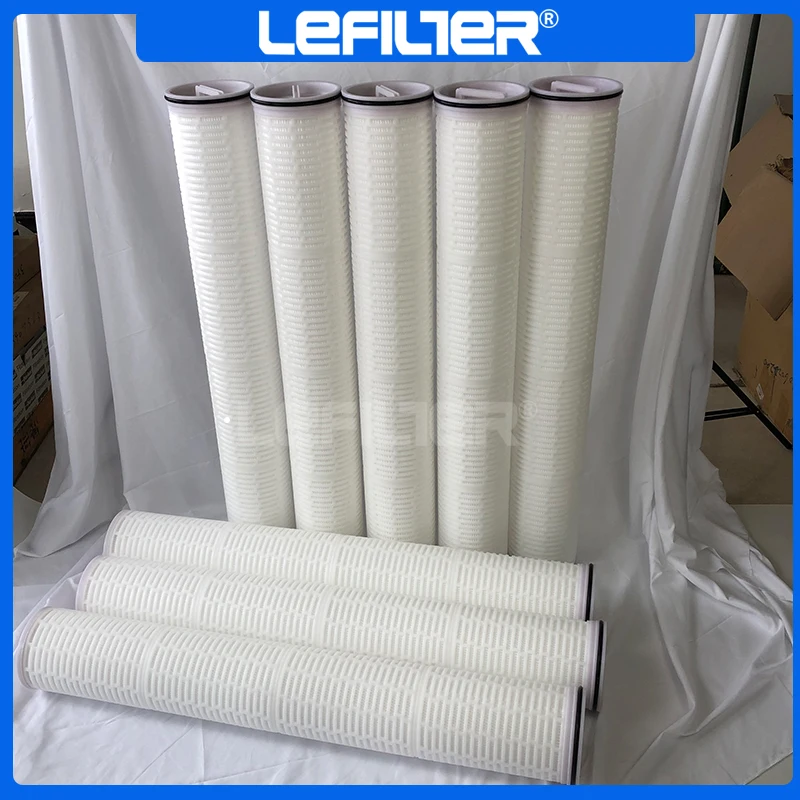
Large flow water filter elements have a certain service life, and their replacement cycle depends on many factors, such as water quality, frequency of use, flow rate, etc. Generally speaking, when the pressure loss of the filter element reaches a certain level, or the water quality of the outlet water is significantly reduced and cannot meet the use requirements, the filter element needs to be replaced. In actual use, a reasonable replacement plan should be formulated according to the specific situation and strictly implemented in accordance with the plan. At the same time, the use time and replacement of the filter element should be recorded in order to analyze the service life and performance change trend of the filter element and provide a reference for subsequent maintenance.
(II) Cleaning method (if there is a washable filter element)
For some washable high-flow water filter elements, correct cleaning operations are required when the cleaning cycle is reached. Before cleaning, you should first understand the material and cleaning requirements of the filter element, and choose the appropriate cleaning method and cleaning agent. Generally speaking, backwashing can be used for cleaning, that is, using clean water or a special cleaning liquid to rinse from the water outlet to the water inlet of the filter element to wash away the impurities attached to the filter element. During the cleaning process, pay attention to controlling the flushing pressure and flow to avoid damage to the filter element. After cleaning, the filter element should be fully rinsed to ensure that the cleaning agent is completely removed, and then the filter element should be dried or dried before installation and use.
(III) Storage conditions
When the replaced high-flow water filter element is not used temporarily, pay attention to its storage conditions. The filter element should be stored in a dry, ventilated environment without corrosive gases, avoiding direct sunlight and moisture. If the filter element is exposed to a humid or corrosive environment for a long time, the filter paper of the filter element may become moldy, deteriorate, or the metal parts may rust, thus affecting the reusability of the filter element. During storage, the filter element can also be properly packaged to prevent dust and other contaminants from entering the filter element.
Safety precautions
(I) Prevent burns
In some systems involving hot water treatment, care should be taken to prevent burns when using large-flow water filter elements. When replacing the filter element or performing equipment maintenance, you may come into contact with high-temperature water or equipment parts. Operators should wear protective equipment such as protective gloves to avoid direct contact with high-temperature objects. At the same time, obvious warning signs should be set up around the equipment to remind other personnel to pay attention to high-temperature hazards.
(II) Avoid electric shock
If electrical equipment is involved in the filtration system, such as water pumps, automatic control systems, etc., care should be taken to avoid electric shock during operation and maintenance. Before performing electrical-related operations, the power supply must be cut off first, and the equipment must be completely powered off. Do not install, remove or perform other maintenance work on the filter element when the equipment is energized. At the same time, the insulation performance and grounding of electrical equipment should be checked regularly to ensure electrical safety.
(III) Correctly handle discarded filter elements
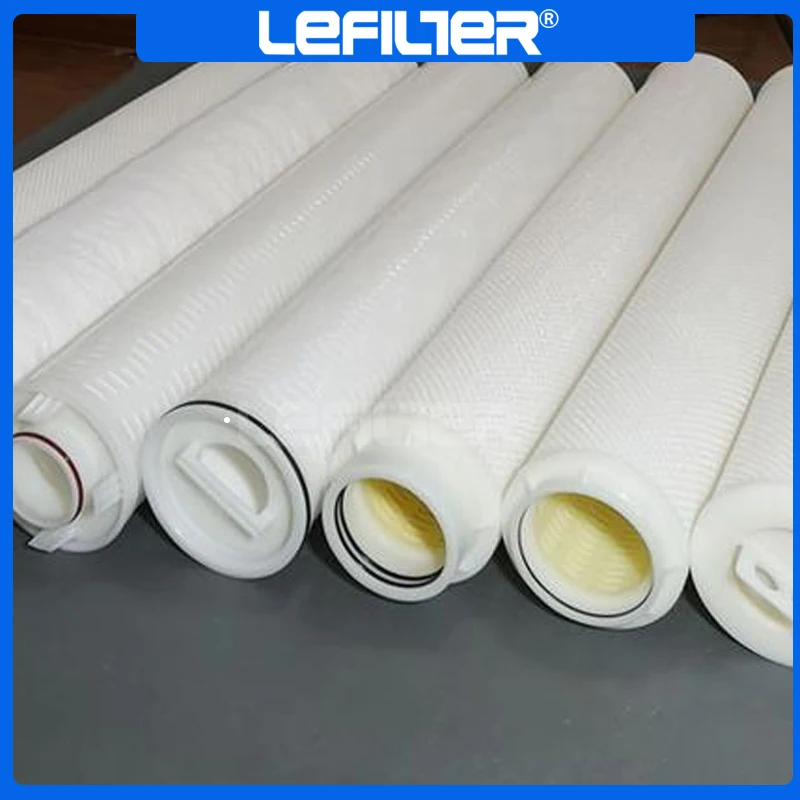
Large-flow water filter elements need to be replaced after reaching their service life, and discarded filter elements should be properly handled in accordance with relevant regulations. The filter element may absorb some harmful substances, and if it is discarded at will, it may cause pollution to the environment. Generally speaking, discarded filter elements should be classified and collected as solid waste, and then handed over to professional waste treatment agencies for treatment. During the treatment process, care should be taken to avoid leakage of residual water and impurities in the filter element, causing secondary pollution.
In short, the correct use and maintenance of large-flow water filter elements are essential to ensure the normal operation of the water treatment system and the quality of water. During use, attention should be paid to multiple aspects such as pre-installation, installation process, use process, maintenance and safety, and operations should be strictly carried out in accordance with relevant requirements and specifications to ensure that the filter element can play its best performance, extend its service life, and ensure the safe, stable and efficient operation of the entire water treatment system. Only in this way can we provide clean and reliable water resources for production and life.