1. Technical principles and composition of reverse osmosis equipment
Working principle
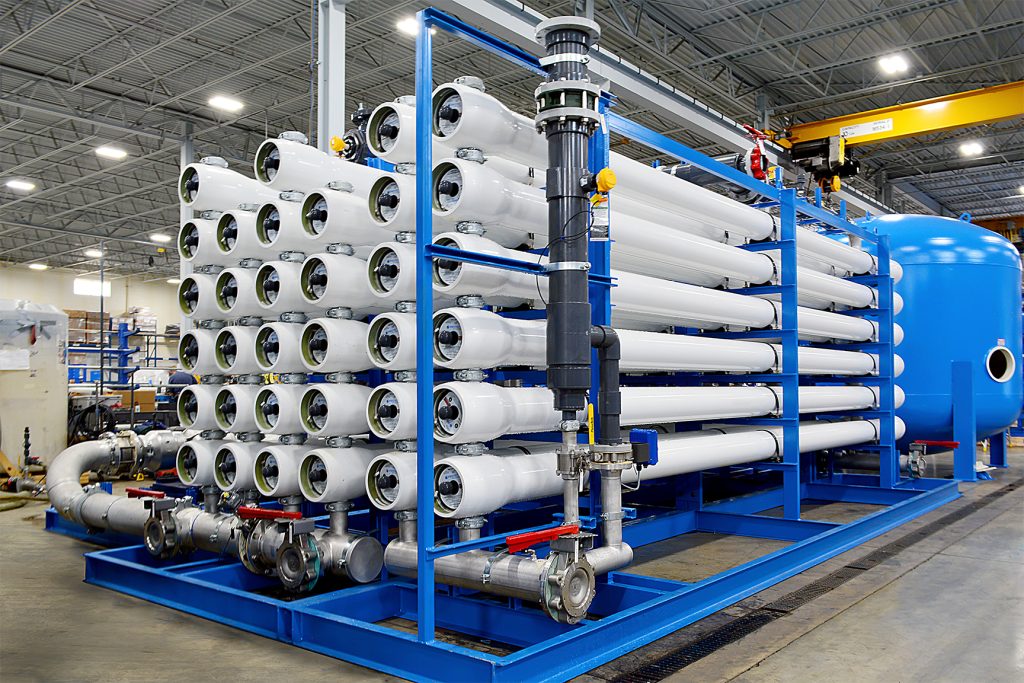
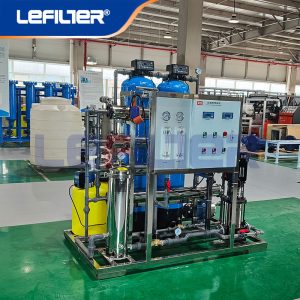
Reverse osmosis (RO) is a membrane separation technology driven by pressure difference, which separates water molecules from solutes through a semipermeable membrane (pore size of about 0.1 nanometers). The raw water is pressurized (usually 1.5-5.5MPa) by a high-pressure pump, and the water molecules pass through the membrane layer to form pure water, while impurities such as dissolved salts, colloids, bacteria, and viruses are intercepted and discharged with concentrated water1710.
Core components
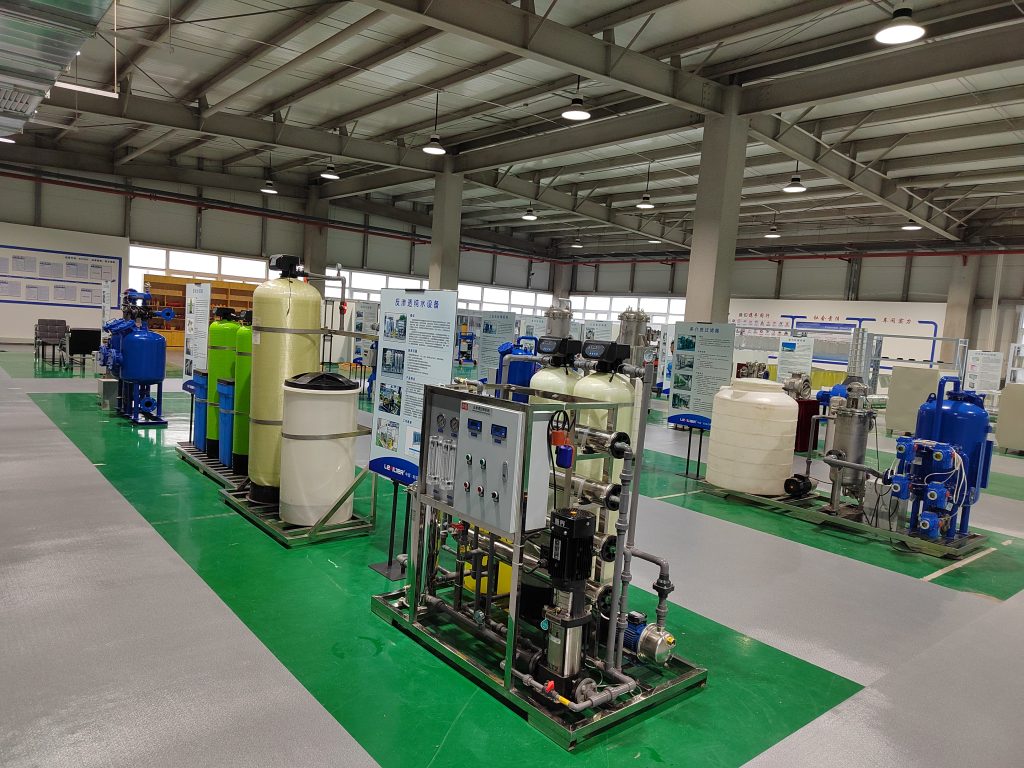
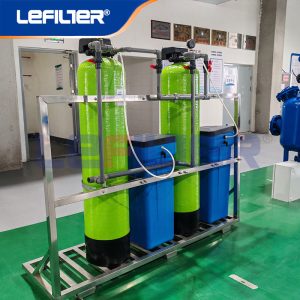
Pretreatment system: including quartz sand filter, activated carbon filter, etc., used to reduce turbidity, residual chlorine and organic matter, and protect the reverse osmosis membrane35.
High-pressure pump: provides power to ensure that the pressure difference on both sides of the membrane meets the separation requirements510.
Reverse osmosis membrane: core component, commonly made of polyamide composite membrane, with high desalination rate (more than 99%) and anti-pollution performance37.
Post-treatment system: such as mixed bed and ultraviolet sterilization, further improve water quality59.
2. Application fields and market value
Drinking water purification
Household and commercial scenarios: remove heavy metals, bacteria, viruses, provide direct drinking water, and meet life needs19.
Municipal water supply: as a deep treatment technology, improve drinking water safety standards37.
Industrial water
Electronics and pharmaceutical industries: produce high-purity water to avoid equipment corrosion or product contamination510.
Chemical wastewater reuse: achieve zero wastewater discharge through reverse osmosis and reduce environmental protection costs710.
Seawater desalination
Middle East and coastal areas: solve the problem of freshwater resource shortage, and the desalination rate can reach more than 99.5%57.
Energy consumption optimization: combined with waste heat recovery technology, reduce operating costs (such as energy consumption per ton of fresh water reduced to 3-4kW·h)510.
Agriculture and ecology
Irrigation water treatment: remove salt and pollutants, reduce the risk of soil salinization59.
Ecological restoration: treat contaminated surface water and restore the ecological function of water bodies7.
3. Technical advantages and industry trends
Core advantages
High-efficiency purification: desalination rate is as high as 99%, and nano-scale pollutants can be removed17.
Energy saving and environmental protection: No chemical agents are required, secondary pollution is reduced, and it meets the carbon neutrality goal710.
Automated operation: The intelligent control system realizes unmanned operation and reduces labor costs910.
Future trends
Material innovation: Research and development of nano-composite membranes and anti-biological contamination coatings to extend the membrane life to more than 7 years310.
Intelligent upgrade: Integrated Internet of Things (IoT) technology, real-time monitoring of membrane contamination status and automatic cleaning59.
Multi-technology collaboration: Combined with photovoltaics and waste heat recovery, further reduce energy consumption510.