introduction
Reverse osmosis membranes are state-of-the-art, high-performance filtration products designed to meet the most demanding water treatment needs. With excellent filtration performance, stable quality and long service life, it has been widely used in many industries and has become a key equipment to ensure pure water quality and realize efficient use of water resources.
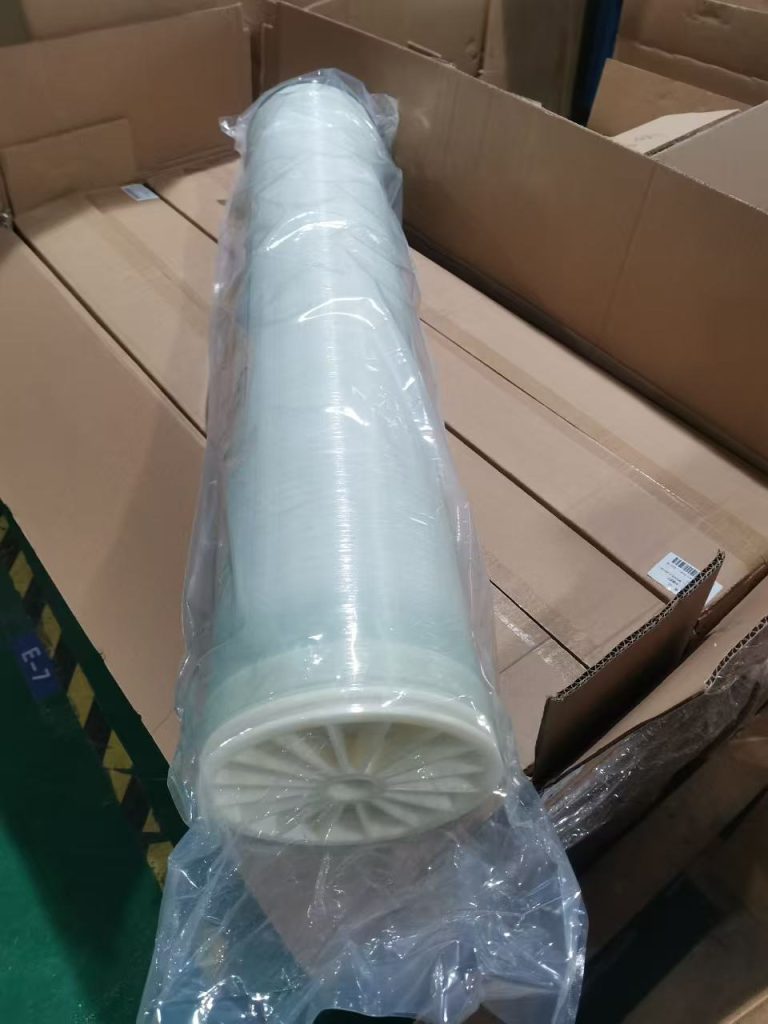
Applications of Reverse Osmosis Membranes Reverse osmosis membranes find extensive applications across multiple industries, playing a pivotal role in ensuring quality and efficiency.
1. Food Industry
In the food industry, the quality and safety of water are paramount. Reverse osmosis membranes are employed to purify water used in various processes, such as beverage production, food processing, and cleaning equipment. By effectively removing contaminants like heavy metals, bacteria, and organic compounds, these membranes help maintain the flavor, texture, and shelf – life of food products. For instance, in the production of bottled water and fruit juices, reverse osmosis – treated water guarantees a pure and consistent taste.
2. Pharmaceutical Industry The pharmaceutical industry demands water of the highest purity for drug manufacturing, laboratory testing, and cleaning in the production environment. Reverse osmosis membranes are essential in removing impurities, including pyrogens, microorganisms, and dissolved salts, which could potentially affect the efficacy and safety of medications. This ensures that pharmaceutical products meet strict quality standards.
3. Agriculture
In agriculture, reverse osmosis membranes are utilized for irrigation water treatment. They help remove harmful substances and excessive salts from water sources, especially in areas with limited or brackish water supplies. By providing clean and suitable water for crops, these membranes contribute to better plant growth, higher yields, and improved crop quality. Additionally, treated water can be used in livestock watering systems to safeguard animal health.
4. Environmental Protection Field
In the environmental protection field, reverse osmosis membranes play a crucial role in wastewater treatment and water recycling. They can effectively separate pollutants from industrial and domestic wastewater, reducing the environmental impact of discharges. Treated wastewater can be recycled for non – potable uses like industrial cooling, landscape irrigation, and toilet flushing, thus conserving freshwater resources and promoting sustainable development.
5. Textile Industry
The textile industry consumes a large amount of water in processes such as dyeing, printing, and finishing. Reverse osmosis membranes are used to purify water, preventing the introduction of impurities that could cause color variations and fabric defects. Purified water also helps in reducing the environmental footprint by minimizing the discharge of contaminated wastewater and enabling the reuse of treated water within the production cycle.
6. Papermaking Industry
In the papermaking industry, high – quality water is required for pulping, paper forming, and coating processes. Reverse osmosis membranes remove suspended solids, dissolved substances, and colloids from water, ensuring that the paper produced has consistent quality, smooth texture, and good printing properties. Moreover, the treatment of process water using reverse osmosis technology aids in reducing water consumption and environmental pollution associated with the papermaking process.
Features of Our Reverse Osmosis Membrane
- High Water Production
Our reverse osmosis membrane is engineered to deliver a high – volume water output. Thanks to its optimized membrane structure and advanced material composition, it can process a large amount of water within a short time. Whether it’s for large – scale industrial water treatment plants that require continuous supply of treated water or for communities with high – demand for clean drinking water, this high water production capacity ensures an adequate and stable water source. For example, in a medium – sized industrial facility, our membrane can handle a significant inflow of raw water, providing enough purified water to support various production processes smoothly. - High Desalination Rate
With an exceptional high desalination rate, our reverse osmosis membrane can effectively remove a vast majority of salts from water. It is capable of achieving a desalination rate of up to [X]%, making it an ideal choice for applications such as seawater desalination and brackish water treatment. By reducing the salt content in water, it helps to produce high – quality freshwater that can be safely used for drinking, industrial processes, and agricultural irrigation. This not only addresses the water scarcity issues in coastal areas but also ensures the quality of products in industries sensitive to water salinity. - High Filtration Efficiency
Our reverse osmosis membrane offers high filtration efficiency, capable of intercepting various impurities, including bacteria, viruses, heavy metals, and organic compounds. The ultra – fine pores of the membrane act as a reliable barrier, allowing only water molecules to pass through while retaining contaminants. This results in purified water that meets strict quality standards. In the pharmaceutical and food industries, where even trace amounts of impurities can have significant impacts, our high – efficiency filtration can safeguard product quality and safety. - Support Customization
We understand that different customers have unique requirements for water treatment. That’s why our reverse osmosis membrane supports customization. Whether it’s adjusting the size of the membrane element to fit specific equipment, modifying the membrane properties to adapt to different water sources, or customizing the installation and connection methods, we can work closely with customers to provide tailored solutions. This flexibility ensures that our reverse osmosis membrane can be integrated into a wide range of water treatment systems, maximizing its performance and value for each customer.
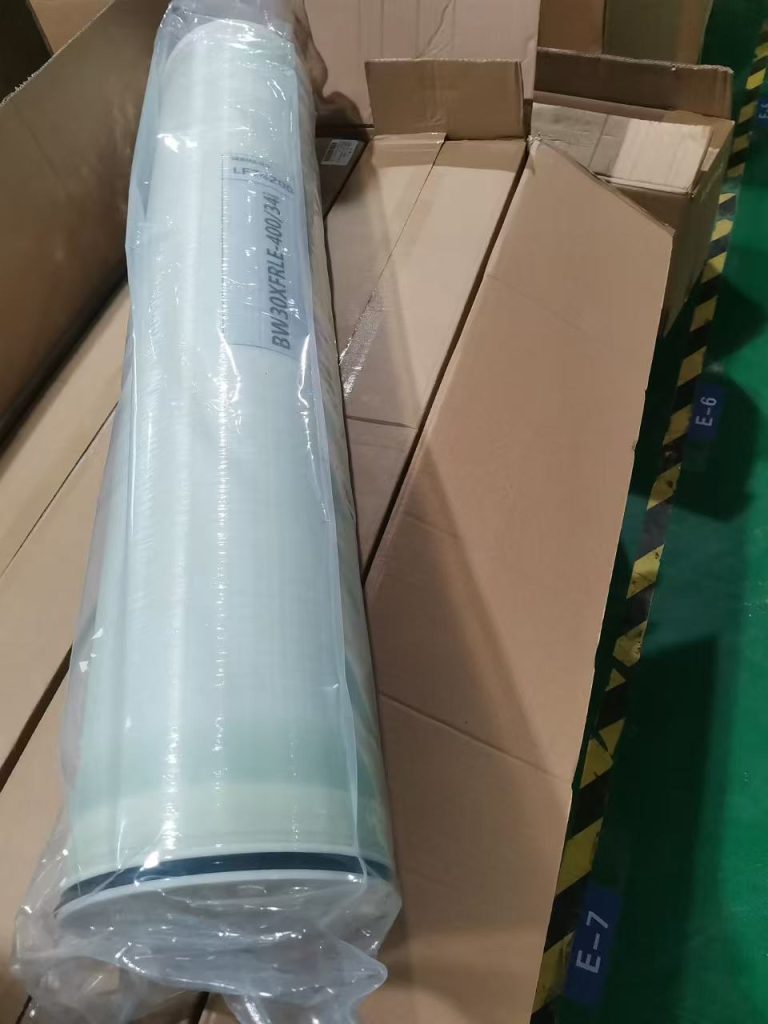
In – depth Look at Our Reverse Osmosis Membrane Product Details
Fine Reverse Osmosis Membrane
Black Seal Ring
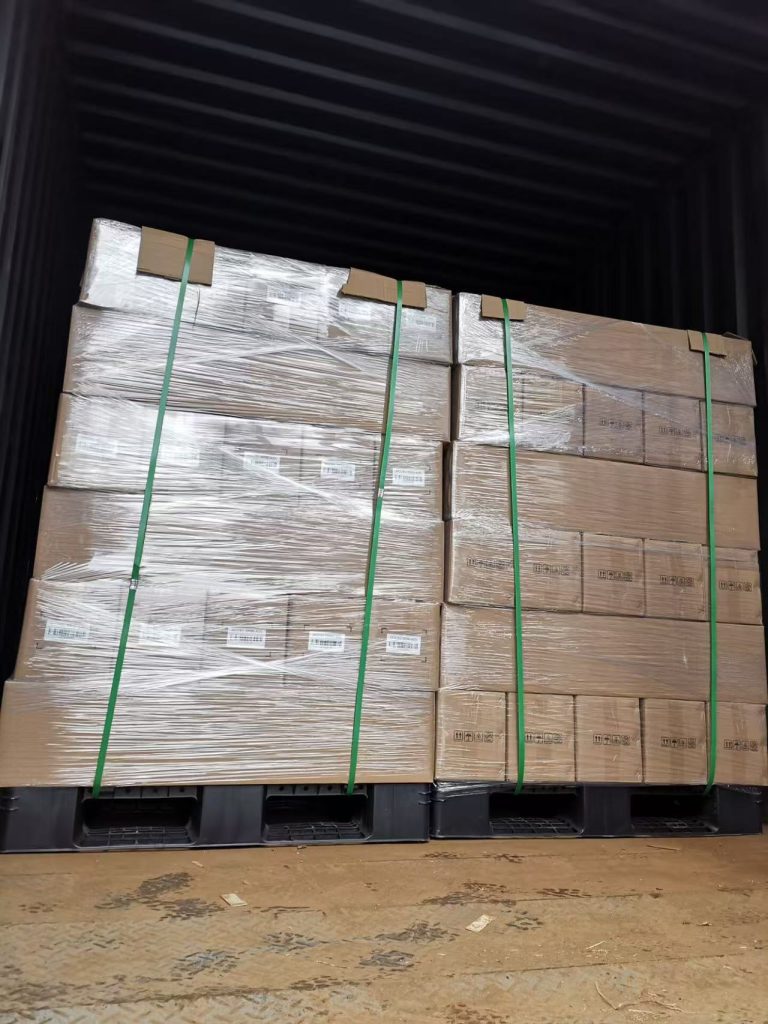
Quality Assurance
reverse osmosis membrane components
A reverse osmosis membrane system consists of several key components. The inner connecting pipe (IC) is used to connect the permeate pipe of the adjacent membrane element; The element adapter can be connected to the membrane element water production pipe and the water production port of the pressure vessel end plate; The spacer pipe can be used as an extension of the water production pipe, fill the gap between the upstream membrane element and the end plate water production port, and is often used for retrofitting with component adapters or plugs, and is used in conjunction with the thrust ring provided by the manufacturer to prevent the displacement of the membrane element in the pressure vessel; The anti-stress device (ATD) is connected to the membrane element to provide support for the end of the membrane element and prevent the displacement of the membrane element outside the membrane relative to the water production pipe; The brine seal is usually installed at the water inlet end of the membrane element, which seals the end of the membrane element and the inner wall of the pressure vessel, guides the inlet water into the spiral membrane, shortens the channel through which the inlet water flows through the outside of the membrane element, and optimizes the reel design configuration. When permeate water is discharged from only one end of the vessel and there is a gap between the upstream membrane element and the end plate of the pressure vessel that needs to be modified, a plug (DEP) can be used to close the permeate pipe opening furthest from the permeate of the pressure vessel.
conclusion
In conclusion, reverse osmosis membranes have emerged as a cornerstone technology in modern water treatment. Their ability to efficiently remove a wide spectrum of contaminants, from microscopic bacteria and viruses to dissolved salts and heavy metals, makes them indispensable across diverse industries, including food, pharmaceuticals, and environmental protection. The high – precision filtration, typically down to 0.0001 micron, ensures the production of high – quality purified water, meeting the stringent requirements of different applications. With features like high water production, high desalination rate, and strong anti – pollution performance, reverse osmosis membranes offer both efficiency and reliability. Moreover, the support for customization allows them to adapt to various water sources and system setups. As water scarcity and the demand for clean water continue to grow, reverse osmosis membranes will undoubtedly play an even more crucial role in sustainable water management and ensuring access to safe water for all.