introduction
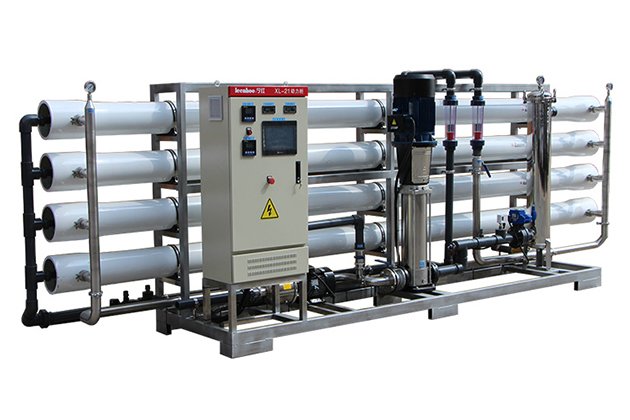
Reverse Osmosis Water Treatment Equipment is an advanced water treatment device. Its core technology is the reverse osmosis technology, which uses semi – permeable spiral – wound membranes to purify water. This equipment uses pressure as the driving force. When raw water passes through the reverse osmosis membrane under a certain pressure, water molecules can pass through the tiny pores of the membrane, while harmful substances in the water such as soluble solids, organic matter, colloidal substances, bacteria, and viruses are retained. Thus, the separation of water and impurities is achieved, and high – purity water is produced.
In terms of operation, this equipment is easy to operate and reliable. It can operate stably under certain raw water inlet conditions. Through reasonable system design and component configuration, it ensures an efficient water treatment process. At the same time, the equipment has low operating costs and good economic efficiency, making it an ideal choice for producing drinking pure water and meeting other scenarios with high water quality requirements. However, the equipment’s operation has certain requirements for the raw water inlet conditions. Parameters such as raw water pressure, flow rate, water temperature, pH value, turbidity, and total dissolved solid content need to be controlled within specific ranges. Otherwise, it may affect the equipment’s performance and even cause permanent damage to the membrane elements.
specifications
Reverse Osmosis Water Treatment Equipment comes in a wide range of specifications, covering aspects such as dimensions, water production capacity, membrane elements, operating pressure, applicable raw water, materials, and pipe fittings, to meet the diverse needs of different users:
- Dimension Specifications: The external dimensions of the equipment vary by model. In the products of Xinxiang Lifeierte Filter Co., Ltd., the LFRO – 2/LFRO – 3 models have dimensions of 4001650 and 5001750; the LFRO – 4 model is 6001900; the LFRO – 5/LFRO – 6 models are 7501900 and 9001900, etc. The sizes range from the relatively small 4001650 to the large 3000*4500, to adapt to different installation spaces.
- Water Production Capacity Specifications: Different models of the equipment have different water production capacities. For example, the LFRO – 2/LFRO – 3 models have a water production capacity of 40L; the LFRO – 4 model is 40L; the LFRO – 5/LFRO – 6 models are 60L; the LFRO – 10 model is 60L; the LFRO – 15 model is 100L; the LFRO – 20/LFRO – 25 models are 100L and 150L respectively; the LFRO – 30 model is 200L; the LFRO – 40/LFRO – 50 models are 500L. This can meet water demand of different scales.
- Membrane Element Specifications: The quantity and type of membrane elements vary. The LFRO – 2/LFRO – 3 models are equipped with 4040 12RO membranes; the LFRO – 4 model has 4040 4RO membranes and 8040; the LFRO – 5/LFRO – 6 models have 5RO membranes 8040 and 6RO membranes; the LFRO – 10 model has 8040 10RO membranes; the LFRO – 15 model contains 15RO membranes 8040 and 20RO membranes; the LFRO – 20/LFRO – 25 models have 8040 25RO membranes; the LFRO – 30 model has 30RO membranes 8040; the LFRO – 40/LFRO – 50 models have 40RO membranes 8040 and 50*RO membranes 8040. Different combinations of membrane elements affect the filtration performance and water production quality of the equipment.
- Operating Pressure Specifications: The operating pressure of reverse osmosis equipment varies depending on the membrane type. Low – pressure membranes generally do not exceed 150PSI, and high – pressure membranes do not exceed 225PSI. During the operation of the equipment, it is necessary to ensure that the system pressure is within the specified range to ensure the normal operation of the equipment and the safety of the membrane elements.
- Applicable Raw Water Specifications: There are certain requirements for raw water. The minimum raw water pressure is 40PSI, the minimum water supply flow rate is 1.6 times the system water production capacity, the water temperature is between 4°C – 30°C, the pH range is 4 – 9, the turbidity SDI < 5, the total dissolved solid content TDS < 1000mg/L, and the iron content is < 0.1mg/L, free chlorine should not be detected, manganese content is < 0.05mg/L, and organic matter content is < 1mg/L. The raw water needs to meet these conditions; otherwise, it will contaminate and damage the reverse osmosis membrane elements.
- Material and Pipe Fitting Specifications: Some components of the equipment are made of various materials. The raw water tank and pure water tank can be made of stainless steel, PE, fiberglass, etc.; the membrane module pressure vessel is available in materials such as 304/316 stainless steel, fiberglass, and PE; the default pipe material is UPVC, and stainless – steel pipes can also be selected according to requirements. Different materials are suitable for different environments and water quality conditions.
Advantages
Reverse Osmosis Water Treatment Equipment offers several advantages, making it a popular choice for water treatment applications:
- High – quality Water Production: It can effectively remove a wide range of contaminants from water, including soluble solids, organic matter, colloids, bacteria, and viruses. According to the documents, the reverse osmosis membrane can remove over 96% of soluble solids, over 99% of organic matter and colloids, and nearly 100% of bacteria and viruses. This results in high – purity water that meets strict quality standards, suitable for various applications such as drinking water production, pharmaceutical manufacturing, and electronics industry.
- Reliable and Stable Operation: The equipment is designed to operate stably under specific conditions. With proper pre – treatment and compliance with operating instructions, it can maintain consistent performance over an extended period. The various components of the equipment, such as the high – pressure pump, membrane module, and control system, are configured to work in harmony, ensuring reliable operation. For example, the pressure – sensitive components like pressure switches and sensors help protect the equipment from abnormal pressure conditions, safeguarding the integrity of the reverse osmosis membrane and other key parts.
- Low Operating Costs: It has relatively low operating costs. Although the initial investment in the equipment may be significant, in the long run, the cost of treating water is economical. The reverse osmosis process requires only a certain amount of pressure to drive the water through the membrane, and with proper maintenance, the membrane has a relatively long lifespan, reducing the frequency of replacement. Additionally, the energy consumption of the equipment is optimized through efficient component design, such as the use of energy – saving high – pressure pumps.
- Automated Operation: Many reverse osmosis water treatment systems are equipped with automatic control functions. The control system can be programmed to automate processes like pre – treatment, membrane flushing, and system startup and shutdown. For instance, the raw water tank 液位控制器 (level controller) can be interlocked with the solenoid valve and pumps. When the raw water level is low, the system can automatically stop the operation to prevent the high – pressure pump from running dry. This not only reduces the need for manual intervention but also improves the operation efficiency and accuracy of the system.
- Flexible Configuration: It can be flexibly configured according to different water treatment requirements. The number and type of membrane elements can be adjusted based on the desired water production capacity and quality. In addition, optional components such as resin softening devices, anti – scale dosing systems, and different types of pre – treatment filters can be added to adapt to different raw water qualities. For example, if the raw water has a high hardness, a resin softening device can be included in the system to reduce the calcium and magnesium ion content and prevent membrane scaling.
- Wide Applicability: Reverse Osmosis Water Treatment Equipment is suitable for various raw water sources, including groundwater, tap water, and surface water. As long as the raw water quality is within the specified range, the equipment can effectively treat it. This wide applicability makes it a versatile solution for different regions and industries, whether in areas with limited water resources or in industries with strict water quality requirements.
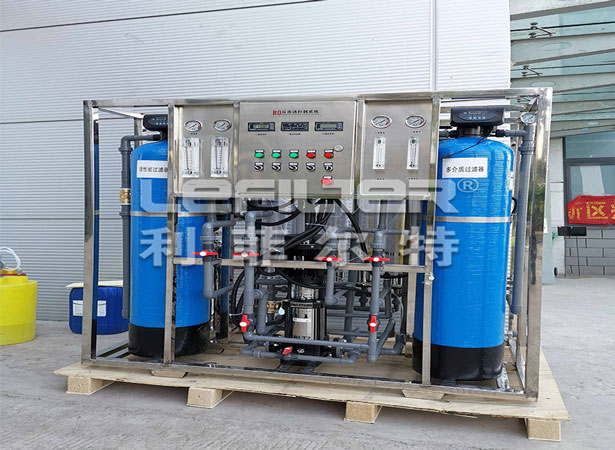
In the electronics industry, Reverse Osmosis Water Treatment Equipment is of great significance and has the following specific applications:
- Chip Manufacturing: In the process of manufacturing electronic chips, extremely high – purity water is required. Reverse Osmosis Water Treatment Equipment can effectively remove various impurities such as ions, bacteria, organic matter, and colloids from water. According to the documents, it can remove over 96% of soluble solids, nearly 100% of bacteria and viruses, etc. The high – purity water produced is used in processes like wafer cleaning, etching, and lithography. For example, in the production of advanced semiconductor chips, any tiny impurity in water may cause short – circuits or other performance issues in the chips. The water treated by this equipment ensures the high – quality manufacturing of chips, improving the product qualification rate and performance.
- Circuit Board Production: When manufacturing printed circuit boards, Reverse Osmosis Water Treatment Equipment provides high – quality water for processes such as circuit board washing and plating. The water needs to be free from contaminants to ensure the cleanliness of the circuit board surface and the quality of the plating layer. The equipment can remove organic matter and metal ions in water, which may otherwise affect the adhesion and conductivity of the plating layer. This helps to improve the reliability and performance of circuit boards, reducing the occurrence of defects such as poor soldering and short – circuits.
- Display Panel Manufacturing: In the production of display panels like LCD and OLED panels, high – purity water is used in multiple steps. Reverse Osmosis Water Treatment Equipment can meet the strict water quality requirements. For example, in the cleaning process of display substrates, the water treated by this equipment can thoroughly remove dust, organic residues, and metal contaminants. It also ensures that the water used in the liquid crystal injection or organic material coating processes does not introduce impurities, which is crucial for maintaining the display quality, such as color accuracy and contrast of the final products.
- Component Cleaning: Electronic components need to be cleaned with high – purity water to remove manufacturing residues and contaminants. Reverse Osmosis Water Treatment Equipment can provide the necessary clean water. By using the treated water, the risk of component corrosion and malfunction due to impurities is reduced. This is especially important for small and sensitive components where even a small amount of impurity can cause significant performance degradation. It helps to improve the overall quality and reliability of electronic products by ensuring the cleanliness of components.
Application other areas
- Food and Beverage Industry: It is used for purifying water in food and beverage production. It removes impurities, microorganisms, and dissolved solids to ensure product quality and safety. For example, in beverage factories, the treated water is used for brewing, soft drink production, and food processing to maintain consistent product taste and meet hygiene standards.
- Pharmaceutical Industry: The equipment provides high – purity water for pharmaceutical manufacturing processes. It meets strict water quality requirements for drug production, such as in the preparation of injections and tablets, ensuring the safety and efficacy of medications by eliminating contaminants that could affect drug quality.
- Power Generation Industry: In power plants, Reverse Osmosis Water Treatment Equipment treats boiler feed water. By removing salts and impurities, it prevents boiler scaling and corrosion, improving the efficiency of power generation equipment and ensuring stable power supply.
- Textile Industry: It is applied in textile mills for water treatment. The purified water is used in dyeing and finishing processes to improve the quality of fabrics, and in wastewater treatment to recycle water, reducing water consumption and environmental pollution.
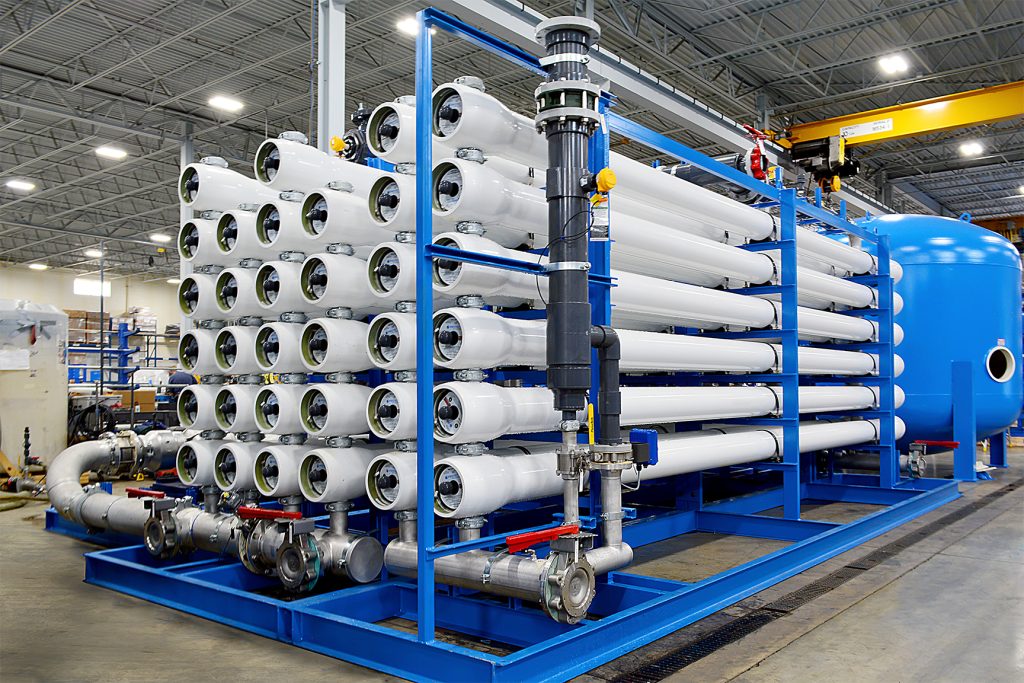
- Seawater Desalination: In coastal areas and islands, this equipment is crucial for seawater desalination. It turns seawater into fresh water by removing high – salt content, providing a reliable source of fresh water for drinking and industrial use, and alleviating water shortages in water – scarce regions.
conclusion
Reverse Osmosis Water Treatment Equipment is an advanced water – purifying device. It uses semi – permeable membranes to remove various impurities from water, including salts, organics, colloids, bacteria, and viruses. It offers high – quality water production, reliable operation, and low running costs. It has a wide range of applications in industries like electronics, food, pharmaceuticals, power generation, and seawater desalination. The equipment has specific operating requirements and component functions, and comes in various specifications to meet different needs. Regular maintenance, such as filter replacement and membrane cleaning, is essential for its proper functioning and long – term performance.