Introduce:
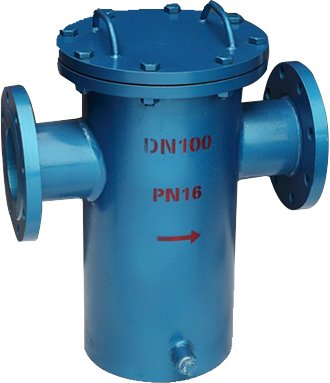
The basket water filter is a compact yet critical device designed to remove small solid particles from liquids, safeguarding downstream equipment and ensuring fluid purity. Its simplicity—centered on a removable filter cartridge with a precision screen—makes it a versatile solution across industries where even minor contaminants can disrupt operations, damage machinery, or compromise product quality.
Unlike complex filtration systems, basket filters operate on a straightforward principle: trapping impurities while allowing clean fluid to pass through. This balance of efficiency and ease of use has established them as a staple in pre-treatment processes, from protecting sensitive reverse osmosis membranes to ensuring purity in food and beverage production. As industries increasingly prioritize equipment longevity and process reliability, basket water filters remain an indispensable tool for maintaining fluid integrity.
Advantages & Features
2.1 Compact and Cost-Effective
Basket filters boast a small footprint, making them ideal for installations with limited space—such as tight industrial pipelines or mobile treatment units. Their simple design reduces manufacturing and maintenance costs, offering an economical alternative to larger, more complex filtration systems without sacrificing performance.
2.2 Easy Maintenance
A defining feature is the removable filter basket (cartridge), which simplifies cleaning and replacement. Unlike systems requiring disassembly of multiple components, maintenance involves draining the fluid, removing the basket, cleaning or replacing it, and reinserting—minimizing downtime. This user-friendly design is particularly valuable in industries like food processing, where frequent cleaning is critical for hygiene.
2.3 Efficient Contaminant Removal
Equipped with a screen of customizable mesh size (typically 20–200 mesh), basket filters effectively trap a range of impurities, including suspended solids, rust, scale, bacteria, algae, and particulate matter. This versatility ensures they adapt to varying fluid conditions, from raw water with high sediment levels to industrial fluids with fine debris.
2.4 Protection for Downstream Equipment
By capturing particles before they reach pumps, valves, heat exchangers, or membranes, basket filters prevent clogging, abrasion, and fouling. In reverse osmosis pre-treatment, for example, they extend membrane life by reducing the load of large contaminants, lowering replacement and operational costs.
Structure Specification
3.1 Core Components
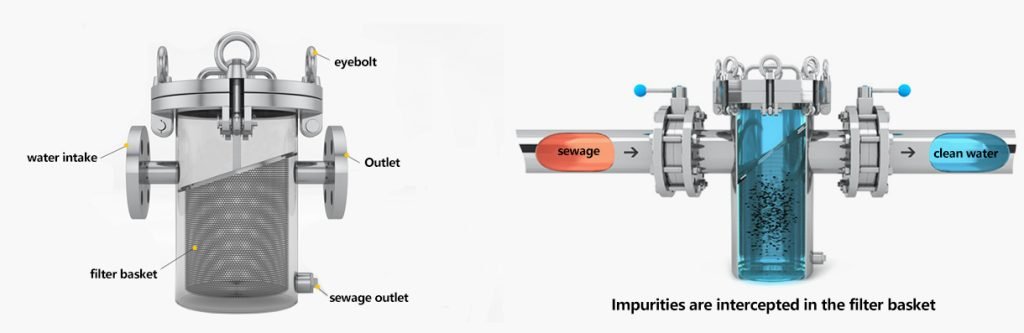
- Inlet/Outlet Nozzles: Flanged or threaded connections that direct fluid into and out of the filter, ensuring smooth flow with minimal pressure drop.
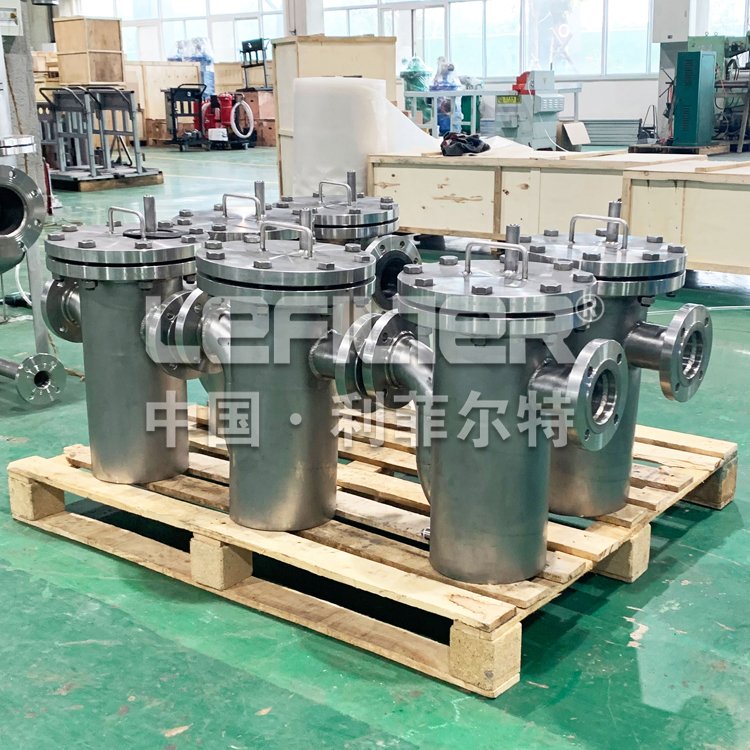
- Main Pipe (Housing): A robust casing, often made of stainless steel, carbon steel (with corrosion-resistant coatings), or plastic (for chemical compatibility), housing the filter basket.
- Filter Basket: A cylindrical or conical mesh cartridge (screen) that traps contaminants. Mesh size varies by application—coarser meshes (20–50) for large particles, finer meshes (100–200) for small debris.
- Flange Cover: A removable lid secured by fasteners (bolts, clips) that allows access to the filter basket for cleaning.
- Drain Plug: A valve or screw plug at the bottom of the housing to drain fluid before maintenance, preventing spillage.
3.2 Material Variations
Housing materials are chosen based on the fluid’s properties:
- Stainless Steel (304/316): Resists corrosion, ideal for potable water, food-grade fluids, and chemical processing.
- Carbon Steel with Epoxy Coating: Suitable for non-corrosive industrial fluids, offering durability at a lower cost.
- Plastic (PVC/PP): Used for acidic or alkaline fluids, providing chemical resistance in applications like wastewater treatment.
Working Principle
5.1 Power Industry
Used in cooling water systems and boiler feedwater pre-treatment to remove rust, scale, and sediment, protecting turbines, pumps, and heat exchangers from damage and ensuring efficient heat transfer.
5.2 Reverse Osmosis (RO) Pre-Treatment
As a primary filtration step in RO systems, basket filters remove large suspended solids and particulate matter, preventing membrane fouling and extending RO system life in desalination plants and water purification facilities.
5.3 Petrochemical and Chemical Processing
Filter raw materials, solvents, and process fluids to remove contaminants that could react with chemicals or damage precision equipment, ensuring product purity and process safety.
5.4 Food and Beverage Production
Critical for filtering water, syrups, and juices to remove sediment, debris, and microbial contaminants, adhering to strict hygiene standards in bottling, brewing, and dairy operations.
5.5 Pharmaceutical and Microelectronics
Used in ultra-pure water systems to filter out fine particles and bacteria, ensuring compliance with sterile manufacturing requirements for drugs, medical devices, and microchip production.
5.6 Municipal and Environmental Water Treatment
Pre-treats groundwater or surface water to remove sand, silt, and organic matter before disinfection, improving the efficiency of downstream processes like chlorination or UV treatment.
Basket water filters excel in their ability to combine simplicity, efficiency, and adaptability, making them a cornerstone of fluid purification across industries. Their role in protecting equipment and ensuring fluid quality underscores their enduring value in modern industrial operations.
Application
5.1 Reverse Osmosis Pretreatment
As a critical pre-filter for RO systems, high-flow cartridges protect delicate RO membranes from fouling by removing suspended solids, scale, and bacteria. This extends membrane life, reduces cleaning frequency, and maintains RO efficiency—essential in industries like desalination, where membrane replacement costs are significant.
5.2 Municipal Water Treatment
In municipal plants, these filters pretreat surface water or groundwater, removing sediments and particulates before disinfection. Their high flow capacity makes them ideal for processing large volumes of water for urban supply networks.
5.3 Industrial Process Water
Industries such as food and beverage, pharmaceuticals, and electronics rely on high-flow filters to purify process water. In beverage production, for example, they remove algae and particulates to ensure product clarity and safety. In semiconductor manufacturing, they deliver ultra-clean water to prevent microchip contamination.
5.4 Power Generation
Power plants use high-flow filters to treat cooling tower water and boiler feedwater, removing rust and scale-forming particles. This prevents equipment corrosion and scaling, ensuring efficient turbine and boiler operation.
5.5 Wastewater Reclamation
In wastewater reuse systems, these filters play a vital role in pretreating effluent, removing suspended solids and organic matter before advanced treatment (e.g., UV disinfection or ion exchange). This enables safe water recycling for non-potable uses like irrigation or industrial washing.
By combining high performance, cost efficiency, and ease of maintenance, high-flow cartridge filters have become a cornerstone of modern industrial water treatment, ensuring reliable operation across diverse applications.