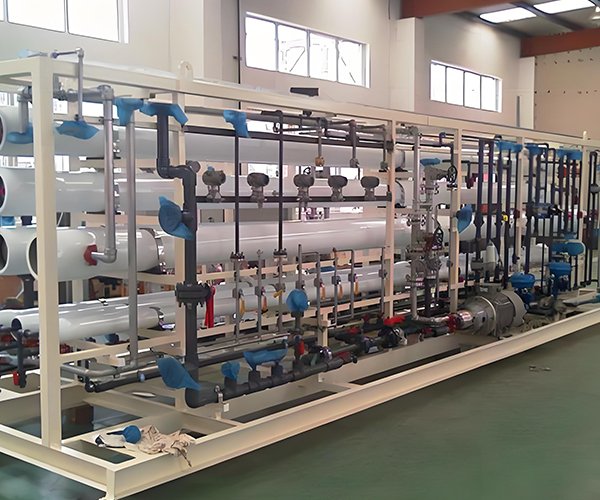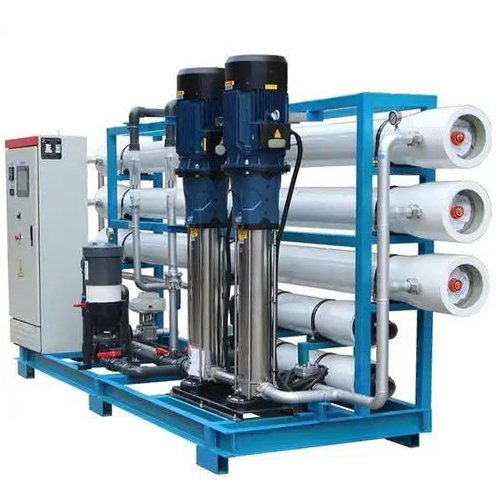
Desalination has become a crucial solution for addressing global freshwater shortages, offering a reliable alternative to traditional water sources, especially in regions affected by droughts. Unlike conventional water supplies, desalination operates independently of weather conditions, providing a consistent means for countries and industries to meet their water needs.
The primary method employed in desalination is reverse osmosis (RO), which effectively removes salts and minerals from seawater or brackish water. This process involves high-pressure pumps that force water through semi-permeable membranes. These membranes have microscopic pores that block impurities, allowing only purified water to pass through, while the concentrated brine is discharged as waste.
Historically, desalination systems were associated with high construction and maintenance costs. However, advancements in water treatment technologies have significantly reduced these expenses. Notably, improvements in RO membranes have led to higher salt rejection rates and lower energy consumption. Additionally, the integration of energy recovery devices (ERDs) has enhanced the efficiency of desalination plants by capturing and reusing energy from the high-pressure brine stream. Modern ERDs can recover up to 96% of this energy, substantially decreasing the overall energy requirements of the process.
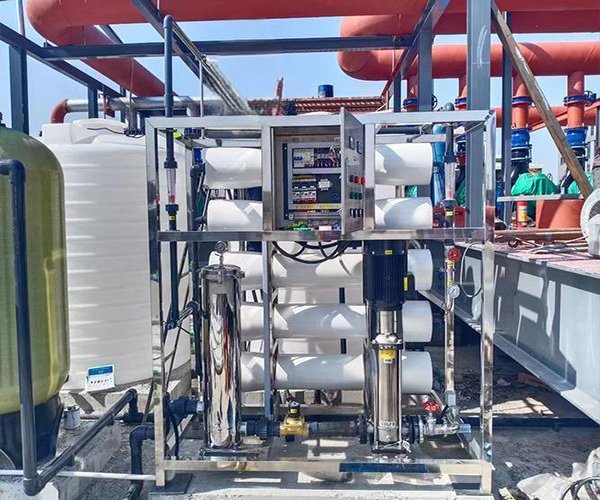
These technological advancements have made desalination a more cost-effective and environmentally friendly option for water production. Consequently, many governments and organizations have incorporated desalination into their long-term water management strategies to ensure a sustainable and reliable water supply for the future.
The Middle East faces significant freshwater scarcity, prompting the adoption of advanced desalination technologies. LEFILTER Desalination System offer the high-efficiency, cost-effective, and environmentally sustainable solution tailored to the region’s unique challenges.
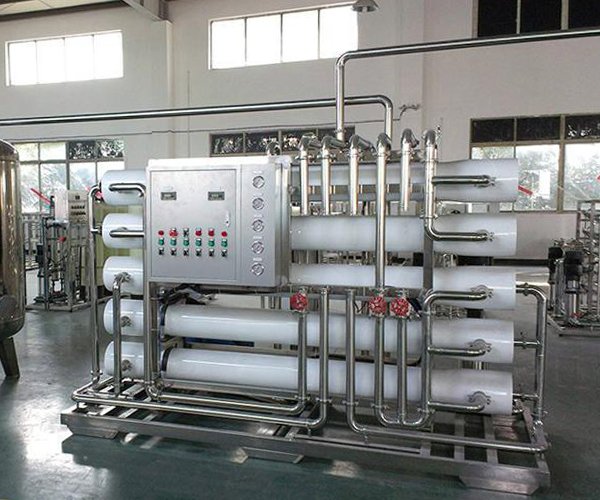
1. High Efficiency
Dual-Pass RO Configuration: Achieves a 99.8% desalination rate, producing water with Total Dissolved Solids (TDS) below 500 ppm, compliant with WHO drinking standards.
2. Robust Design for Harsh Environments
Adaptive Pre-Treatment System: Incorporates multi-stage filtration, including dual-media filters and ultrafiltration, to remove suspended solids, algae, and organic matter, protecting RO membranes from fouling.
3. Scalability and Modular Flexibility
Customizable Capacity: Offers solutions ranging from compact skid-mounted units for remote communities to large-scale plants for major cities.
Environmental and Economic Benefits
Reduced Brine Discharge: Advanced brine management systems minimize ecological impact on marine ecosystems.
Community Impact: Reliable water supply supports agriculture, industry, and urban development, fostering economic stability.
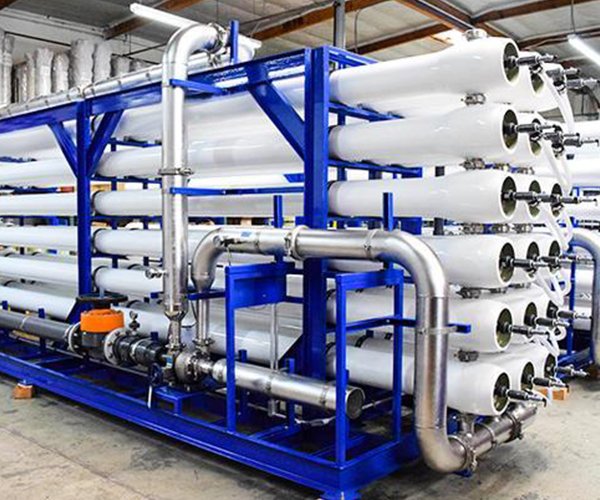
One of the most promising applications of reverse osmosis desalination is in agricultural irrigation, especially in arid and semi-arid regions such as the Middle East, North Africa, and parts of Southern Asia. With freshwater sources under increasing pressure, farmers and agricultural planners are turning to desalinated seawater as a sustainable alternative to meet crop irrigation demands.
While crops generally tolerate certain levels of salinity, the RO desalination process reduces TDS (Total Dissolved Solids) to levels safe for a wide range of agricultural uses, including greenhouse production, drip irrigation systems, and high-value crops such as vegetables and fruit trees. Modern RO systems designed for irrigation can be customized to allow controlled levels of minerals (e.g., calcium, magnesium) to remain in the water, which are beneficial for plant growth, while removing harmful salts like sodium and chloride.
Benefits of seawater RO for irrigation include:
Reduced reliance on freshwater aquifers, slowing their depletion.
Improved crop yield and quality, especially in saline or degraded soils.
Stable water supply for agricultural regions vulnerable to seasonal droughts or limited river flows.
Fertilizer efficiency, as RO-treated water enhances nutrient uptake by plants.